
Thomas Nast: Father of the American Cartoon — Life, Work, and Legacy
Thomas Nast (1840–1902), German-born American cartoonist who shaped political symbols, exposed corruption and popularized images like Uncle Sam and Santa Claus; a groundbreaking but contested figure in U.S. visual politics.
Overview
Thomas Nast (September 27, 1840 – December 7, 1902) was a German-born American caricaturist and editorial cartoonist widely credited with establishing the visual language of American political satire. Working chiefly for Harper's Weekly during the mid-19th century, Nast used bold visual metaphors and recurring characters to explain complex political events to a mass audience. His drawings helped popularize personifications and party symbols that are still recognized today.
Image gallery
10 Images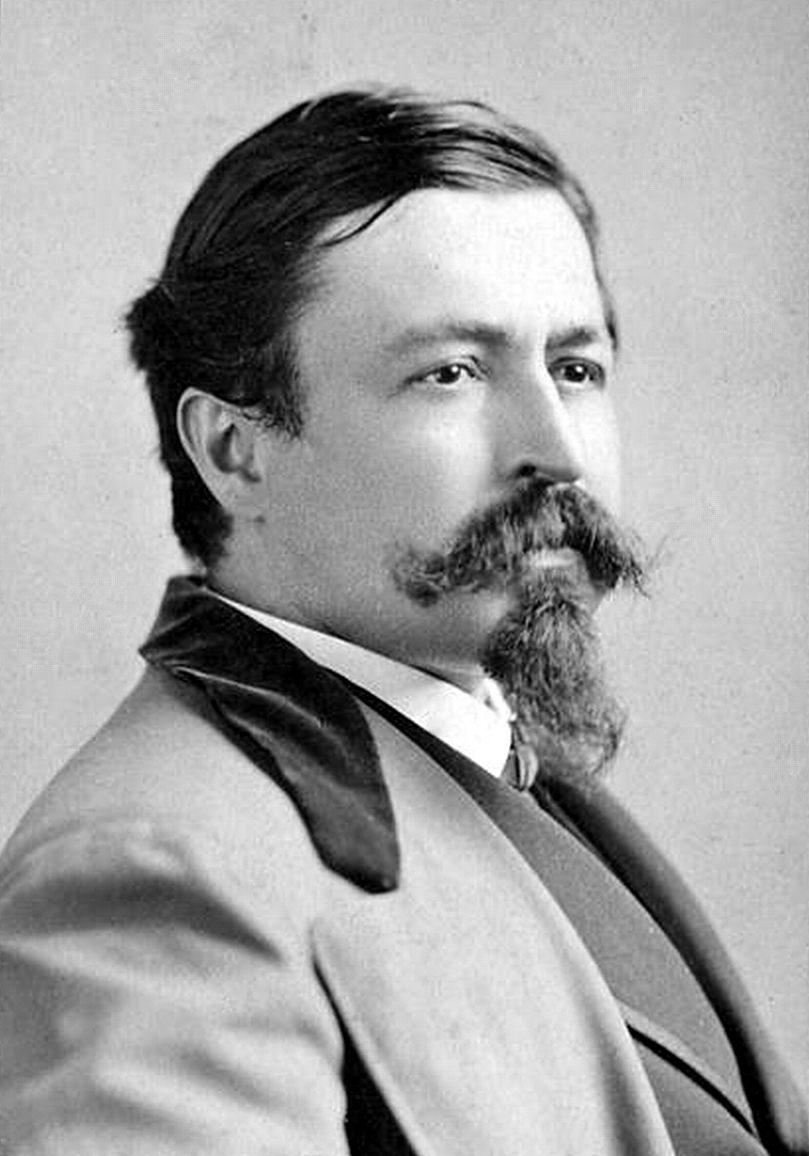


Style and notable images
Nast combined direct symbolism, strong composition and exaggerated caricature. He created or popularized several enduring images: a stern, militaristic Uncle Sam to represent the federal government; the elephant as a symbol of the Republican Party and the donkey as a symbol for the Democrats; and a modernized depiction of Santa Claus that influenced popular conceptions of the figure. He also drew Columbia, a female personification of the United States, and recurring motifs such as the scales of justice and vulture-like figures to condemn greed and corruption.
Major campaigns and political impact
Nast rose to national prominence during the American Civil War and Reconstruction era, using cartoons to support the Union and Republican policies, oppose slavery, and criticize graft. His sustained visual attacks on New York City’s Tammany Hall and William M. «Boss» Tweed are among the most famous examples of pictorial journalism influencing public opinion. Reproductions of his cartoons reached readers who might not consume long investigative reports, and contemporaries credited his work with helping to erode Tweed’s public support.
Biography and later years
Born in Landau in the Kingdom of Bavaria, Nast’s family emigrated to the United States when he was a child; he spent most of his adult life in New York City. He began contributing to national magazines in the 1860s and became a prominent illustrator at Harper's Weekly. After decades of influence he fell out of favor in later years and accepted a diplomatic post; in 1902 he was appointed U.S. consul to Guayaquil, Ecuador, where he died of yellow fever the same year.
Legacy and controversies
Nast is remembered as a pioneering visual commentator who turned editorial cartooning into a powerful form of mass persuasion. His work demonstrated how symbols and recurring characters could simplify and dramatize political argument. At the same time, some of his cartoons reflected the prejudices of his era; he occasionally used ethnic stereotypes, especially in depictions of Irish and Chinese immigrants, which complicates his legacy. Contemporary scholars study Nast both for his technical innovation and as a reflection of 19th-century American attitudes.
Further reading and related links
- Biography and early life
- Career overview
- Selected cartoons and themes
- Uncle Sam iconography
- Elephant: Republican symbol
- Donkey: Democratic symbol
- Tammany Hall and political machines
- Landau and Bavarian origins
- Kingdom of Bavaria context
- German Confederation background
- New York City in the 19th century
- Nast's life in New York
- Guayaquil posting
- Ecuador and diplomatic service
- Health and cause of death
Related articles
Author
AlegsaOnline.com Thomas Nast: Father of the American Cartoon — Life, Work, and Legacy Leandro Alegsa
URL: https://en.alegsaonline.com/art/99528