
Thomas S. Monson
American religious leader, writer, and sixteenth president of The Church of Jesus Christ of Latter-day Saints, remembered for decades of church administration, public service, and his presidency from 2008 to 2018.
Thomas Spencer Monson (August 21, 1927 – January 2, 2018) was an American religious leader, administrator, and author who served as the sixteenth president of The Church of Jesus Christ of Latter-day Saints. He assumed that office on February 3, 2008, following the death of Gordon B. Hinckley. In the church's long-established system of succession, the senior member of the Quorum of the Twelve Apostles becomes president when the previous president dies. For Latter-day Saints, that office carries special religious significance, because the church president is sustained by believers as a prophet, seer, and revelator. Monson remained president until his death in 2018.
Image gallery
8 Images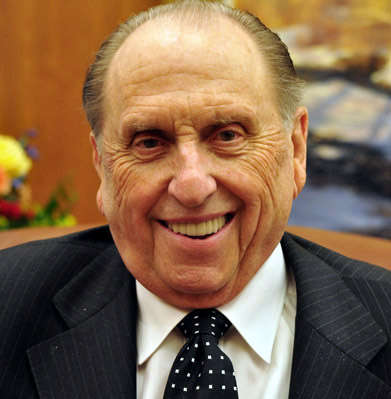

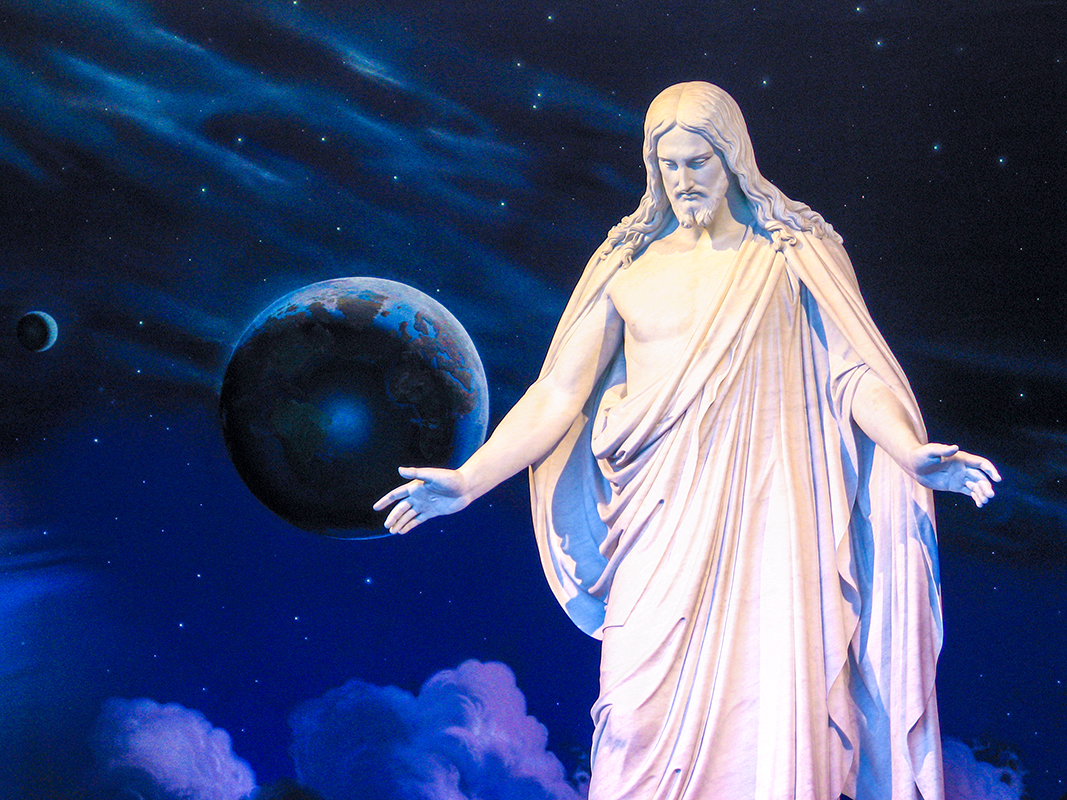


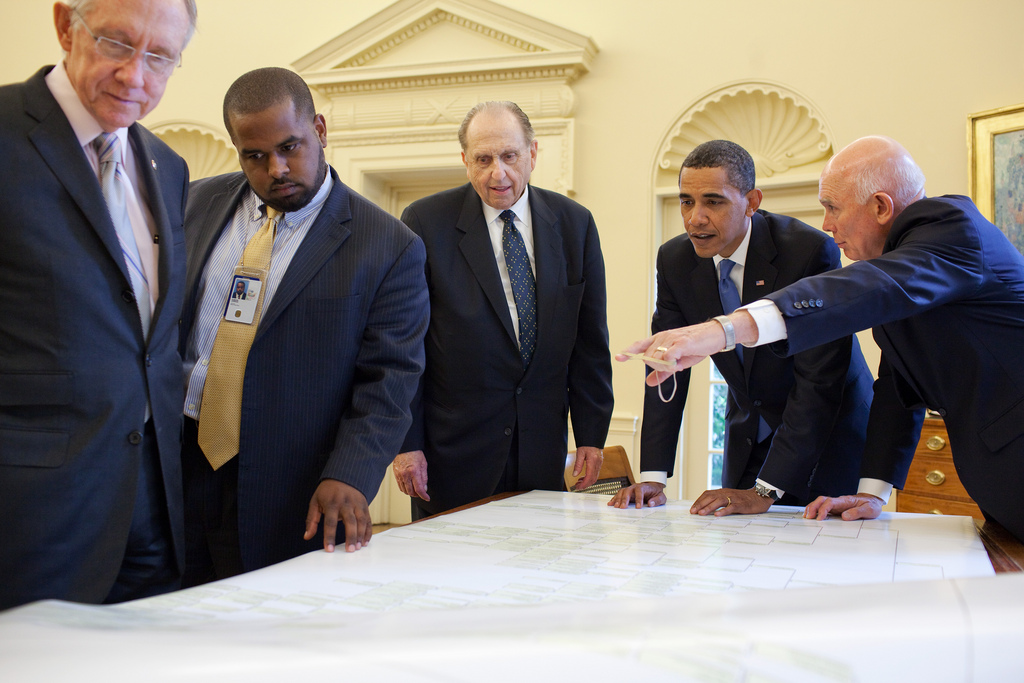

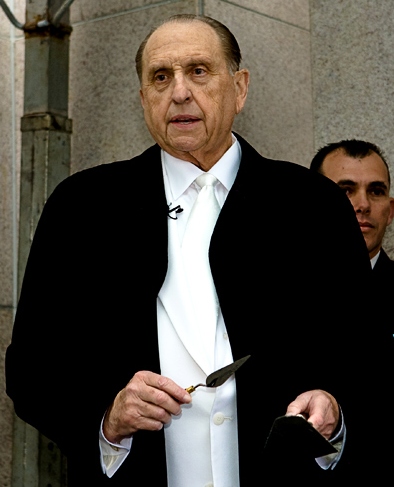
Early life and rise in leadership
Monson was born and raised in Salt Lake City, Utah. He studied at the University of Utah and worked in publishing before becoming widely known for church leadership. His rise was unusually early. At age 22 he was called as a bishop, a local congregational leader responsible for worship, welfare, and pastoral care. Those experiences shaped a public image that stayed with him throughout his life: he was often described as a leader who placed strong emphasis on visiting the sick, remembering individuals, and performing practical acts of service. He later served as president of the church's Canadian Mission and, in 1963, became an apostle at age 36, making him one of the youngest men called to that office in modern church history.
For decades Monson was a member of the church's senior governing bodies. As part of the Quorum of the Twelve Apostles, he helped oversee administration, worldwide congregational organization, and teaching. He also became closely associated with the church's educational system and served as chairman of its Boards of Trustees and Education. Outside church administration, he took part in civic and charitable work. He was appointed by Ronald Reagan to the President's Task Force for Private Sector Initiatives, reflecting his visibility beyond strictly ecclesiastical circles.
Presidency, teachings, and public profile
As church president, Monson presided during a period in which the faith continued to expand internationally. His tenure included temple dedications and announcements in multiple regions, continued emphasis on missionary work, and frequent calls for compassion, honesty, and everyday discipleship. One of the most widely noticed administrative developments of his presidency came in 2012, when the church announced lower minimum ages for many full-time missionaries, a change that increased missionary participation in the following years. In public addresses and general conferences, Monson was especially known for short narrative sermons drawn from personal experience, often using stories to illustrate duty, kindness, and spiritual commitment.
- He received three honorary doctorates during his lifetime.
- He was recognized for longstanding involvement with Scouting, including the Silver Buffalo from the Boy Scouts of America and the Bronze Wolf from the World Organization of the Scout Movement, the highest awards of those organizations.
- He was also a prolific writer whose books and sermons were widely read within Latter-day Saint communities.
Monson died in Salt Lake City on January 2, 2018, at the age of 90. After his death, the church followed its customary succession process, and Russell M. Nelson became the next president. Monson's legacy rests on the exceptional length of his service, which connected mid-twentieth-century Mormon leadership with the globally organized church of the twenty-first century. Admirers remember him for personal warmth and pastoral attention to individuals, while historians note his importance as a steady institutional leader who spent most of his adult life in senior church office. Taken together, his roles as apostle, administrator, public representative, and president made him one of the most prominent Latter-day Saint figures of his era.
Questions and answers
Q: Who was Thomas Spencer Monson?
A: Thomas Spencer Monson was an American religious leader and writer.
Q: When did he become the president of The Church of Jesus Christ of Latter-day Saints?
A: He became the sixteenth President of The Church of Jesus Christ of Latter-day Saints on February 3, 2008.
Q: How did Monson become the President of the Church?
A: Monson was appointed on the basis of seniority following the death of the previous president.
Q: What was Monson's role before he became the President of the Church?
A: Monson was a member of the Quorum of the Twelve Apostles until he became the President of the Church.
Q: What is Monson said to be as president of the church?
A: As president of the church, Monson is said to be a prophet, seer, and revelator of God's will.
Q: What were some of Monson's other achievements?
A: Monson has spent most of his time engaged in various church leadership positions and in public service. He has received three honorary doctorates. He is Chairman of the Church Boards of Trustees/Education of the Church Educational System. He was appointed by Ronald Reagan to the President's Task Force for Private Sector Initiatives. Monson received the Boy Scouts of America's Silver Buffalo and the World Organization of the Scout Movement's Bronze Wolf—both awards.
Q: When and where did Monson pass away?
A: Monson died in Salt Lake City on January 2, 2018 at the age of 90.
Related articles
Author
AlegsaOnline.com Thomas S. Monson Leandro Alegsa
URL: https://en.alegsaonline.com/art/99536
Sources
- nytimes.com : "Former Executive Named to Lead Mormon Church"
- fox13now.com : LDS church President Thomas S. Monson dies at age 90
- findagrave.com : "George Spencer Monson"
- findagrave.com : "Nels Monson"
- deseretnews.com : "President Monson recalls influence of family on his life"
- deseretnews.com : "87,000 gather at LDS event in Mexico"