
Uncle Sam: the personification of the United States
Uncle Sam is the national personification of the U.S., originating from a 19th-century meatpacker and developed into an iconic recruitment and political image through artists like Thomas Nast and James Montgomery Flagg.
Overview
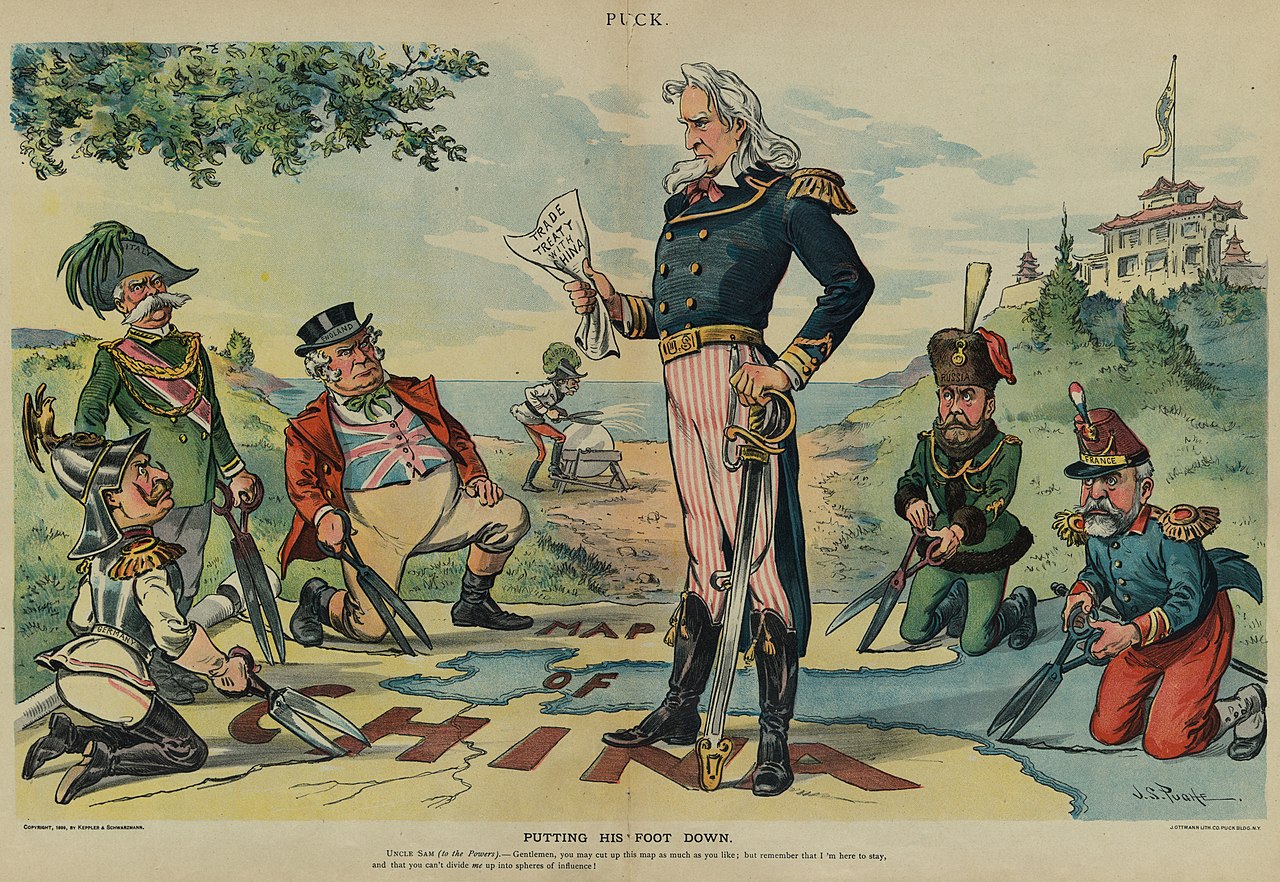
"Uncle Sam" is the widely recognized anthropomorphic symbol of the United States federal government and, by extension, the nation. As a figure he combines attributes of authority, civic duty and national identity. Over two centuries the name and image have been used in political cartoons, recruitment posters, advertising and popular culture to represent government action, patriotic appeal and social commentary. The figure has evolved from a nickname linked to a supplier in the early 1800s into a stylized character used on posters and in editorial art.
Image gallery
10 Images





Origins and early history
The nickname is most commonly traced to Samuel Wilson, a New York meatpacker whose barrels of government rations during the War of 1812 were stamped "U.S." According to popular accounts, soldiers began referring to the supplies as coming from "Uncle Sam" in reference to Wilson; over time the name became a familiar shorthand for the federal government. For information about Wilson and how the story connects to the name, see Samuel Wilson and his business in Troy, New York. The military context that helped the name spread is discussed in sources about the War of 1812 and early 19th-century American institutions, and historians note the nickname "Uncle Sam" had entered public usage by the 1810s and 1820s, becoming a label for the national government by 1813 in popular accounts and print references (nickname origins).
Visual development and artists
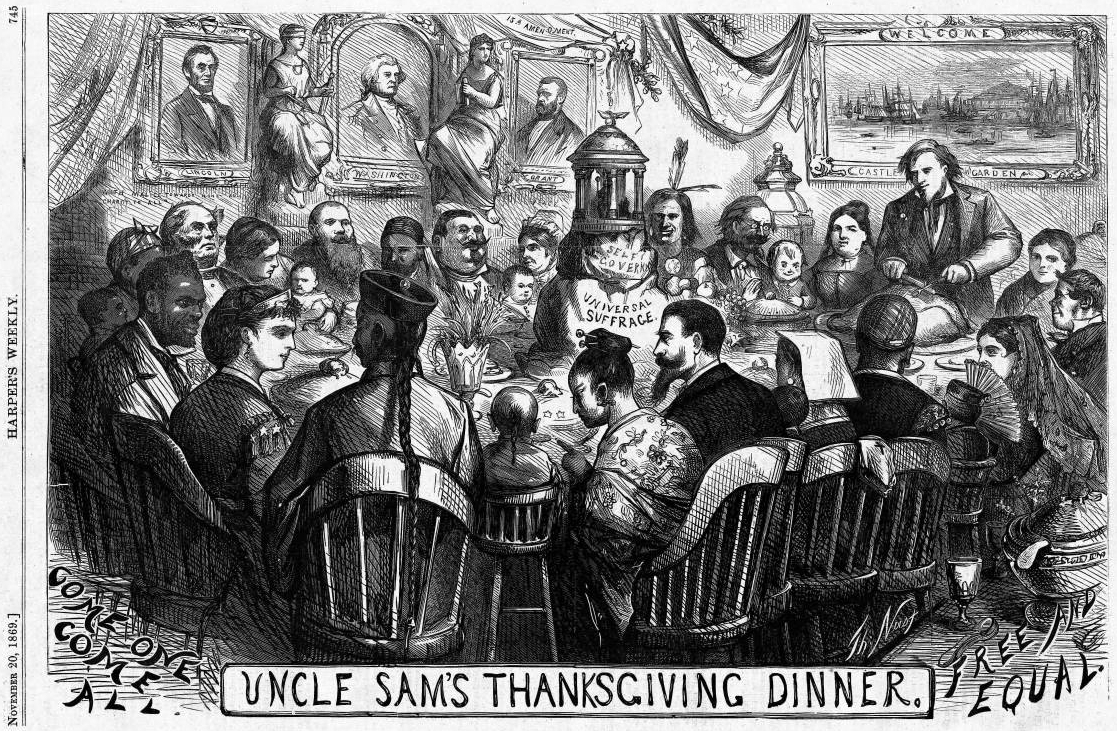
The visual form of Uncle Sam changed gradually through 19th-century political illustration. Cartoonists and illustrators adapted clothing, facial hair and posture to suit editorial purposes. Notably, the Civil War and post–Civil War period saw contributions by artists such as Thomas Nast, who popularized a bearded, stern figure wearing Stars and Stripes motifs and a top hat in the late 1800s (Thomas Nast). His work helped standardize many of the costume elements later associated with the character.
The Flagg poster and 20th-century prominence
The most internationally familiar image of Uncle Sam — the white-haired, goateed man in a top hat pointing directly at the viewer with the caption "I WANT YOU" — was produced by artist James Montgomery Flagg in 1917. Flagg first used a pointing Uncle Sam on a magazine cover asking about preparedness, and the design was adapted for widespread army recruitment during World War I. This version was later reused during World War II and became the template for countless reproductions, parodies and adaptations. For the wartime poster contexts see sources on the World War I poster early poster use and later reuse in World War II.
Characteristics and symbolic uses
As an emblem the figure conveys several overlapping ideas: government authority, civic responsibility, recruitment appeal and national personhood. Uncle Sam has been deployed to encourage military enlistment (recruitment campaigns), to appeal to notions of citizenship and duty (civic duty), and as a focal point for both praise and satire. Political cartoonists have used the figure to praise policy, lampoon leaders, or call citizens to action; advertisers have borrowed the persona to lend credibility or gravitas to messages.
Notable distinctions and legacy
- Uncle Sam is an example of national personification, like Britannia for Britain or Marianne for France, serving as a shorthand for an abstract political entity.
- The name's reputed origin in a real supplier is straightforward and memorable, but scholars treat the story with historical caution: popular legend and documentary traces coexist in accounts of Samuel Wilson's role.
- Different portrayals have emphasized either stern authority or approachable patriotism, depending on the message: recruitment posters used an assertive gaze, while other illustrations softened the figure into a kindly elder statesman.
Further reading and resources
- Biographical notes on Samuel Wilson
- Local history of Troy, New York
- Context on the War of 1812
- Origins of the "Uncle Sam" nickname
- Gallery of Thomas Nast illustrations
- Early 20th-century poster appearances
- Reuse of the Uncle Sam poster in World War II
- Recruitment and enlistment campaigns
- Discussions of citizenship and national identity
- Analysis of civic duty iconography
The figure of Uncle Sam remains one of the most enduring and flexible symbols in American visual culture. Its transformation from a local nickname into a standard political image illustrates how folklore, commerce and editorial art can combine to produce a lasting national emblem.
Questions and answers
Q: Who is Uncle Sam based on?
A: Uncle Sam is based on a real person named Samuel Wilson, who lived in Troy, New York.
Q: What did Samuel Wilson do during the War of 1812?
A: During the War of 1812, he supplied food for the American soldiers. The food barrels had a “U.S.” on them for United States and the troops knew Samuel was sending the food and called it “Uncle Sam’s.”
Q: Who popularized the image of Uncle Sam from 1860-1870?
A: Thomas Nast was the first to popularize the image of Uncle Sam from 1860-1870. He gave him a white beard and a Stars and Stripes suit.
Q: When did James Montgomery Flagg draw his version of Uncle Sam?
A: James Montgomery Flagg drew his own version of Uncle Sam in 1916. In his version, Uncle Sam was wearing a tall top hat, blue jacket, and was pointing straight at the viewer.
Q: What caption accompanied Flagg's poster in 1917?
A: The caption accompanying Flagg's poster in 1917 was "I Want You." This poster was used all throughout World War I and reappeared again during World War II.
Q: How has Uncle Sam become one of America's most iconic images?
A: Through its use as an army recruitment tool during WWI and WWII as well as its many iterations over time by various artists, Uncle Sam has become one of America's most iconic images in politics today.
Related articles
Author
AlegsaOnline.com Uncle Sam: the personification of the United States Leandro Alegsa
URL: https://en.alegsaonline.com/art/102781