
Cartoonist: creator of comics, strips and animated works
A cartoonist draws cartoons for print or motion media. This entry outlines forms, methods, historical development, cultural roles, and notable practitioners in comics and animation.
Overview
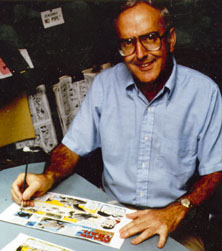
A cartoonist is an artist who designs and produces cartoons: drawings that convey a story, idea, joke or opinion. The term covers creators of single-panel jokes, sequential comic strips and pages, editorial cartoons, and the visual designers and directors who work in animated film and television. Some cartoonists work alone, handling writing, drawing and lettering; others collaborate in teams or within studios.
Image gallery
4 Images


Forms and techniques
Cartooning ranges from simple, economy-of-line caricature to elaborate, highly rendered artwork. Common formats include newspaper and web comic strips, graphic novels, political cartoons, and moving-image animation. Tools vary from traditional pen, ink and paint to digital illustration and computer-based animation. Narrative comics rely on panel sequencing and visual grammar to pace a story, while editorial cartoons use symbolism and exaggeration to express opinion.
History and development
The practices associated with cartooning evolved alongside print media and then film and television. Early sequential drawings and humorous illustrations developed into dedicated comic sections in newspapers and later into book-length graphic novels. Parallel to print, the art of moving cartoons grew into the discipline of animation, requiring new roles such as animators, storyboard artists and directors. The internet era has broadened distribution and allowed independent cartoonists to reach global audiences directly.
Role, uses and cultural importance
Cartoonists inform, entertain and critique. Editorial cartoons condense complex political situations into a single image; comic strips and graphic novels can offer long-form storytelling and social commentary; animation reaches wide audiences through feature films and television series. Cartoons have shaped popular culture, influenced public opinion and provided a powerful medium for satire and education.
Notable figures and distinctions
Well-known creators have worked in different branches of the field: newspaper and book cartoonists who produced enduring strips and graphic stories, and animators who pioneered character-based films and series. Some creators are celebrated for sharp political satire, others for humor or groundbreaking storytelling in long-form comics or animated features. The roles within cartooning also vary: some are writer-artists, others specialize in character design, background art, storyboarding or direction.
- Cartoons and comic strips: short, sequential or single-panel works often found in newspapers and web sites (see cartoons).
- Animation: moving-image works produced by teams or studios using frame-by-frame techniques or computer animation (animation).
- Editorial and political cartoons: images that summarize opinions, often published in news outlets.
Because cartooning blends visual craft with writing and timing, practitioners often cross between print and screen. The diversity of forms—satire, humor, drama and education—makes the cartoonist a versatile cultural figure whose work continues to evolve with technology and audience habits.
Related articles
Author
AlegsaOnline.com Cartoonist: creator of comics, strips and animated works Leandro Alegsa
URL: https://en.alegsaonline.com/art/17354