
Landau in der Pfalz (Landau)
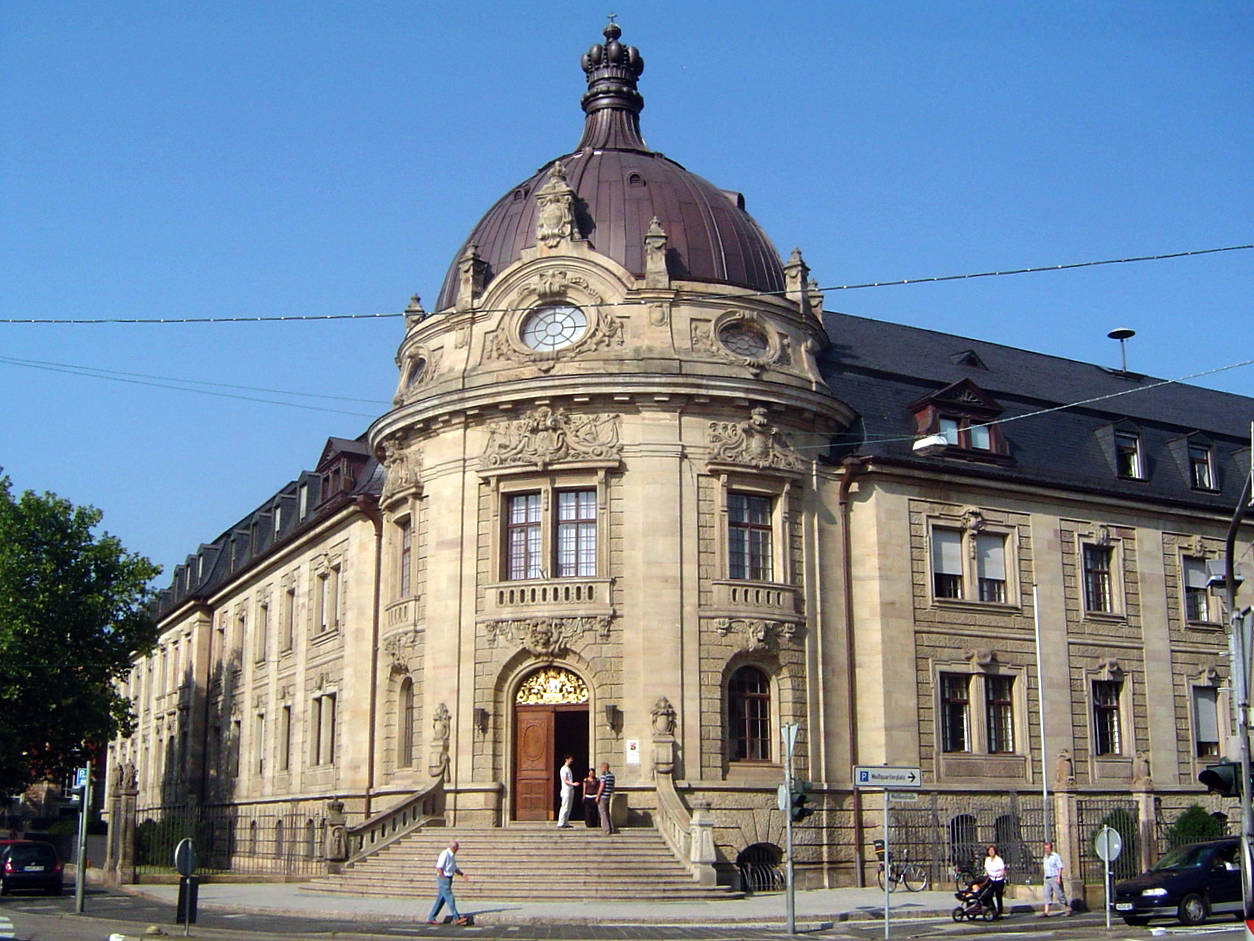
Landau in der Pfalz is a university town in southern Rhineland-Palatinate, Germany, home to about 46,000 people and known for its vineyards, historic center, and regional culture.
Overview
Landau in der Pfalz, commonly called Landau, is a mid-sized German town in the southern part of the state of Rhineland-Palatinate and within the broader region of the Palatinate. Located in western Germany, the place functions as a local administrative and cultural center. It has a population of about 46,000 and combines an active urban core with surrounding agricultural land and vineyards.
Image gallery
5 Images


Geography and climate
Landau sits on relatively level terrain at the eastern edge of the Rhine valley and close to the Palatinate Forest. The area benefits from a relatively mild climate for Germany, which supports extensive viticulture and other agriculture. The town's setting provides easy access to rural wine country as well as to regional transport routes that link to larger cities and neighboring countries.
History and development
The town has medieval origins and developed over centuries as a regional market and administrative center. Its historical core contains characteristic streets and public squares that reflect phases of building from the Middle Ages through modern times. Landau also played a role in regional military and political events at various points in history; remnants of older urban fortifications and street patterns can still be recognised in the townscape.
Economy and viticulture
Agriculture and wine production are among Landau's best-known economic features. The town lies in one of Germany's important wine-growing areas and many local businesses and cultural activities are linked to viticulture. In addition to vineyards and cellar operations, the local economy includes services, small and medium-sized enterprises, research, and educational institutions that support the town's employment base.
Culture, education and landmarks
Landau hosts a university campus—formerly and commonly referred to as the University of Koblenz-Landau—which brings students and academic programmes to the town and contributes to its cultural life. Visitors and residents find a mix of shops, cafés, museums and seasonal wine events that showcase Palatinate wine and local cuisine. Public parks, monuments and restored buildings in the old town form a compact and walkable centre.
Notable facts and practical information
- Population: roughly 46,000 inhabitants, making it a mid-sized regional town.
- Principal economic activities: viticulture and wine-related tourism, services, education and local industry.
- Transport: well connected by regional roads and public transport to neighbouring towns and larger cities.
- Cultural life: regular markets, wine-focused festivals and university-driven events contribute to a lively local calendar.
For those studying regional Germany or planning visits to German wine country, Landau offers a combination of small-city amenities, accessible rural landscapes and an active civic life centred on its historical core and educational institutions.
Related articles
Author
AlegsaOnline.com Landau in der Pfalz (Landau) Leandro Alegsa
URL: https://en.alegsaonline.com/art/55796
Sources
- destatis.de : "Alle politisch selbständigen Gemeinden mit ausgewählten Merkmalen am 31.12.2018 (4. Quartal)" · web.archive.org
- statistik.rlp.de : "Gemeinden in Deutschland mit Bevölkerung am 31. Dezember 2015"
- commons.wikimedia.org : Landau