
The Blue Lagoon (1980 film)
1980 romantic adventure drama directed by Randal Kleiser, starring Brooke Shields and Christopher Atkins; a coming‑of‑age survival story noted for its cinematography and controversy over young actors.
Overview
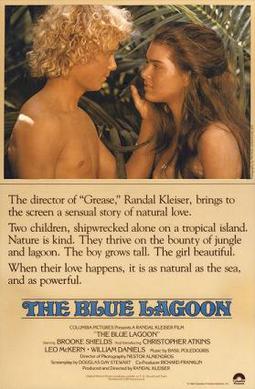
The Blue Lagoon is a 1980 romantic adventure drama film directed by Randal Kleiser and adapted from Henry De Vere Stacpoole's novel by Douglas Day Stewart (screenplay). Shot primarily on Turtle Island in Fiji, the picture follows two young relatives who are marooned on an uninhabited tropical island in the Pacific Ocean. It is a cinematic retelling of a long‑running literary story that had previous screen versions in 1923 (silent) and 1949.
Image gallery
5 Images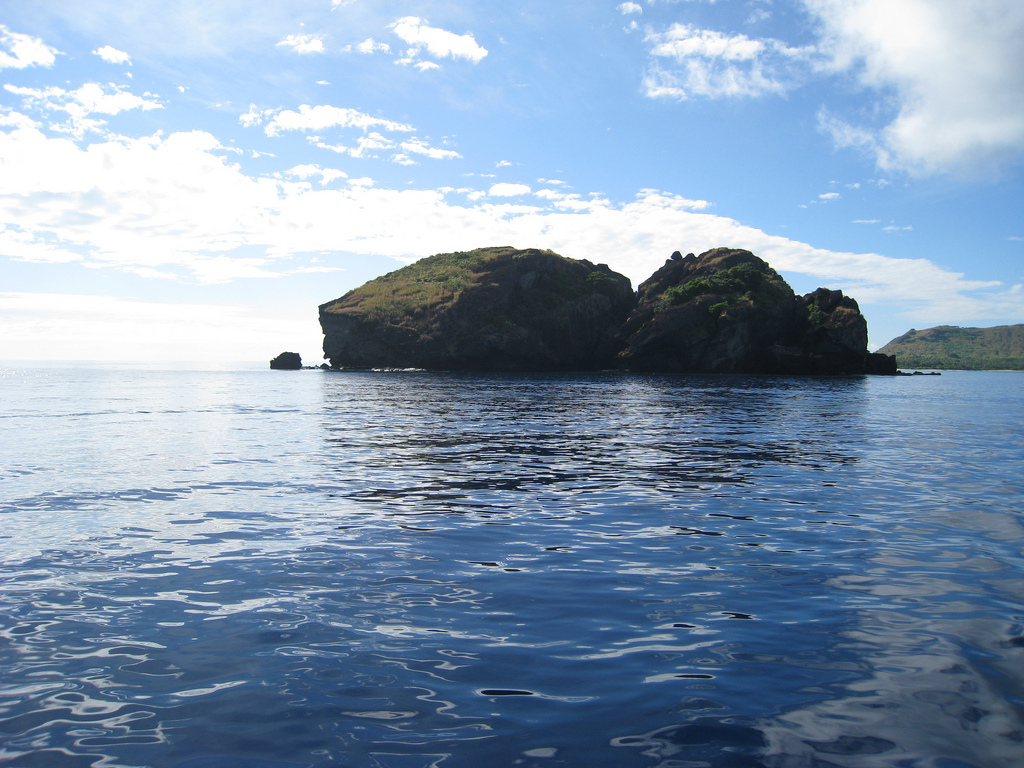


Plot and themes
After a shipboard accident leaves them alone, a boy and girl grow up together isolated from society. Relying on the island's flora and fauna and on basic ingenuity, they learn to fish, build shelter and use the island's natural resources to survive. As they mature into teenagers, the story shifts into a coming‑of‑age romance that explores innocence, sexual awakening, parenthood and the contrast between civilization and nature.
Production and principal cast
The production emphasized lush visuals and the remote setting. Principal performers included Brooke Shields and Christopher Atkins; Shields was fourteen during filming, a fact that later fed public discussion about the portrayal of young characters on screen. The movie's cinematography, which captures Fiji's scenery, earned an Academy Award nomination for Oscar recognition in the category of Best Cinematography.
- Director: Randal Kleiser
- Screenplay: Douglas Day Stewart
- Based on: Henry De Vere Stacpoole; see the original novel
- Stars: Brooke Shields, Christopher Atkins
Reception and controversy
Critics were mixed: many praised the film's visual qualities but criticized the script and lead performances. Some reviewers said the pair of young actors offered limited dramatic range. Prominent critics such as Roger Ebert gave the film harsh assessments, while others found the island photography memorable. The movie also generated controversy because of romantic and suggestive scenes involving very young actors; publicity and commentary included allegations and strong reactions from columnists like Rona Barrett and public debate over whether certain sequences crossed ethical lines. To address filming concerns, the production used techniques such as carefully placed hair and body doubles and other camera strategies, a fact noted in contemporary accounts describing how hair and other measures were employed.
Legacy and related works
Despite divided reviews, The Blue Lagoon achieved commercial visibility and helped launch Christopher Atkins to wider notice; he received a Golden Globe nomination as a new star. The film's photographic emphasis and tropical setting remain frequently cited in discussions of cinematic escapism. It later inspired a follow‑up, Return to the Blue Lagoon, as well as continued interest in adaptations of Stacpoole's story. Observers often contrast the 1980 version with its earlier adaptations (including the 1923 and 1949 films) and with other survival‑romance narratives, noting how each era's production choices shape tone and public response.
For further reading on aspects of the film's production, critical reception and historical background see contemporary reviews and archival material, which comment on the film's blend of photographed beauty and controversial subject matter as well as on its place in the careers of its young leads and the director.
romantic | adventure | drama | film | Turtle Island | screenplay | Brooke Shields | silent version | island | Pacific | natural resources | teenagers | Roger Ebert | hair | body doubles | Rona Barrett | columnist | child pornography | Oscar | Best Cinematography | Return to the Blue Lagoon
Related articles
Author
AlegsaOnline.com The Blue Lagoon (1980 film) Leandro Alegsa
URL: https://en.alegsaonline.com/art/97642
Sources
- turtlefiji.com : Filming of The Blue Lagoon
- mentalfloss.com : "10 Things You Might Not Know About 'The Blue Lagoon'"
- rogerebert.com : "The Blue Lagoon"
- people.com : "Celebrate The Blue Lagoon's 35th Anniversary with 10 Movie Facts You Should Know"
- nytimes.com : "The Blue Lagoon (1980) 'BLUE LAGOON,' COYNESS IN PARADISE"
- fandango.com : "The Blue Lagoon (1980) Awards + Nominations"
- commons.wikimedia.org : The Blue Lagoon (1980 movie)