
Body double (film and television)
A body double is a performer used in film and television to appear in place of an actor for specific physical shots, such as nudity, intimate scenes, or distinctive body parts.
Overview
A body double is a performer hired to appear on camera in place of a credited actor for certain shots that focus on the body rather than the face. This practice is common in film and television production when an actor prefers not to perform particular physical scenes or when a specific body type is required for continuity and visual effect. Body doubles are distinct from stunt doubles, who perform dangerous actions, and from stand-ins, who are used primarily for lighting and camera setup.
Image gallery
3 Images

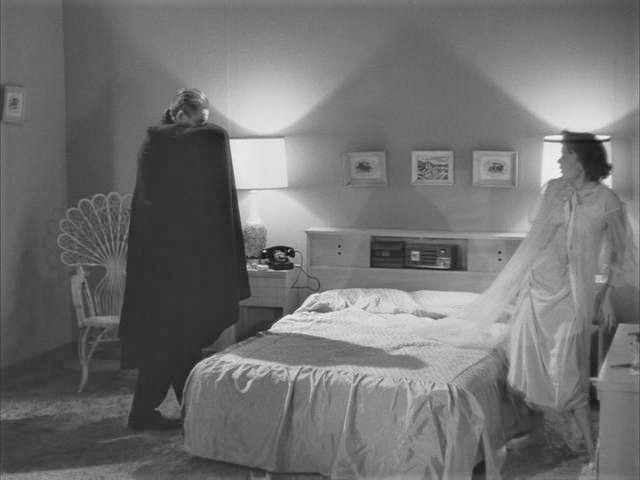
Characteristics and types
Body doubles are often models or trained performers whose physical attributes—such as height, build, hands, legs, or torso—match or plausibly substitute for the principal actor. Some common categories include:
- Nudity or intimate scene doubles: used when an actor declines nude or explicit scenes, or when the director needs a particular body aesthetic for the shot. These may be referred to as intimacy or nude doubles.
- Photo doubles: employed for shots that show the actor from behind, at a distance, or cropped so the face is not visible.
- Body part doubles: specialized performers whose hands, feet, or other parts are filmed for close-ups (for example, hands playing an instrument).
History and notable examples
The use of body doubles dates back to early cinema, when filmmakers needed practical solutions to match the physical image they envisioned for a character. Over time, these practices evolved alongside changes in social norms, censorship, and technology. High-profile instances have occasionally brought attention to the role of doubles in mainstream productions. For example, in a widely noted case from an American romantic comedy, a poster model and a separate on-screen double were both used to create the finished images associated with a leading actress; some productions have acknowledged such contributors while others have not.
Practical considerations and production etiquette
Producers and directors choose body doubles for many reasons: actor comfort, scheduling, insurance limits, or the cost and practicality of digital alteration. Using a double can be less expensive and more efficient than extensive digital retouching to alter an actor's appearance. On set, confidentiality and consent are important: performers who double for nude or intimate scenes typically work with intimacy coordinators and have specific contractual terms that cover privacy, wardrobe, and the level of exposure required.
Distinctions and related roles
- Body double vs. stunt double: body doubles substitute for visual or aesthetic reasons; stunt doubles perform hazardous actions.
- Body double vs. stand-in: stand-ins help the crew set lighting and camera positions and are not usually filmed for the final cut.
- Photo double: often used for continuity when the actor is unavailable for reshoots or for complex composite shots.
Contemporary trends and ethics
With advances in digital effects, producers sometimes choose to digitally composite an actor's face onto a double or to alter a body digitally; however, this can be costly and raises ethical and legal questions about likeness and consent. The industry has also seen increased attention to crediting and compensating doubles, along with the introduction of intimacy coordinators to better manage scenes involving nudity or simulated sex. Discussions continue about transparency—whether and when productions should disclose the use of doubles—and about ensuring performers' safety and dignity.
For related reading on film craft and on-set roles, see materials on production practices and performer safety: modeling and doubles, actors and actresses, intimate scenes, nudity in film, and industry-specific histories such as American cinema accounts: American film industry. For a well-known example often discussed in popular culture, see references to Pretty Woman and commentary on performers like Julia Roberts and the production decisions surrounding publicity images and sensitive scenes.
Tags
Related articles
Author
AlegsaOnline.com Body double (film and television) Leandro Alegsa
URL: https://en.alegsaonline.com/art/12613
Sources
- 209.85.165.104 : 209.85.165.104
- imdb.com : imdb.com/title/tt0100405/combined