
Tennant Creek, Northern Territory: History, Economy and Indigenous Heritage
Overview of Tennant Creek, NT: its Warramunga Indigenous heritage, telegraph and gold-rush history, mining-driven economy, Barkly Tablelands setting and recent land-use and community issues
Tennant Creek is a small inland town in the Northern Territory of Australia. It lies roughly 500 km north of Alice Springs and about 1,000 km south of Darwin. The town community numbers around 3,500 residents. Tennant Creek sits within the Barkly Tablelands, a broad, grassy plain comparable in area to the United Kingdom and noted for very large cattle properties.
Image gallery
10 Images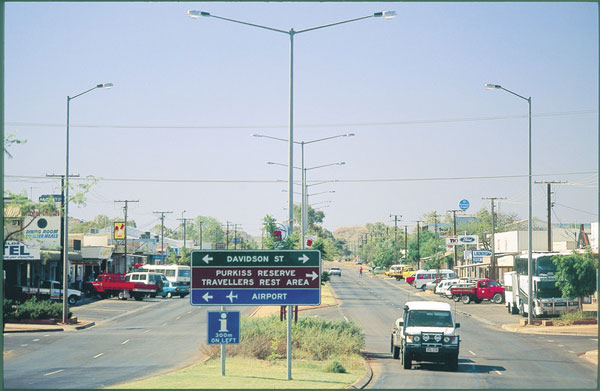




Traditional owners and early contact
The land around Tennant Creek is the traditional country of the Warramunga people. The first recorded European visit was by explorer John McDouall Stuart in 1860. During that expedition Stuart's party encountered fighting at Attack Creek; his account describes shots being exchanged and that they "took steady aim" at Warramunga defenders. Stuart later gave the name Tennant Creek to a local watercourse in honour of John Tennant of Port Lincoln, South Australia.
Communications and settlement
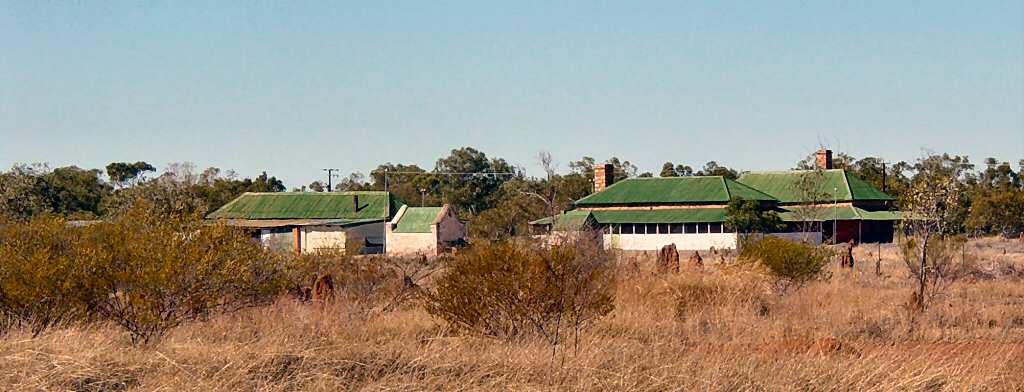
In 1872 a repeater station for the Australian Overland Telegraph Line was established about 11 km north of the present townsite. That infrastructure helped open the region to pastoralists and later prospectors, contributing to a settled community around the telegraph stop.
Mining and economy
Tennant Creek's growth accelerated after the discovery of gold in 1930, an event often described as Australia's last major gold rush. Mineral extraction remains important to the local economy. Mining operations in the area have produced:
Recent developments
In 2011 the Australian government identified a site near Tennant Creek as a possible location for a national nuclear waste facility. The proposal met opposition from traditional Aboriginal landowners. The matter was taken to the Federal Court in June 2014, and subsequently the Northern Land Council abandoned its plans to pursue the dump in that location.
Related articles
Author
AlegsaOnline.com Tennant Creek, Northern Territory: History, Economy and Indigenous Heritage Leandro Alegsa
URL: https://en.alegsaonline.com/art/96984
Sources
- en.travelnt.com : "Tennant Creek the Town: Tennant Creek Australia:"
- health.nt.gov.au : "Health & Families"
- docs.google.com : "John McDouall Stuart: Explorer"
- ntnews.com.au : "D-Day to stop nuclear waste dump"
- abc.net.au : "Date set for court fight over Muckaty nuclear waste dump"
- abc.net.au : "Muckaty Station: Northern Land Council withdraws nomination of site of first nuclear waste dump"