
Terling: village and civil parish in Essex, England
Terling is a village and civil parish in the Braintree district of Essex, England. It is a rural community with historic roots, local amenities and a recorded population of 774 in 2001.
Terling is a village and civil parish in the Braintree district of Essex, England. It sits within a rural part of the county and is administered at the district level by Braintree district. The parish had 774 residents recorded at the 2001 census. Like many English villages, Terling combines a residential core with surrounding farmland and small pockets of woodland.
Image gallery
1 Image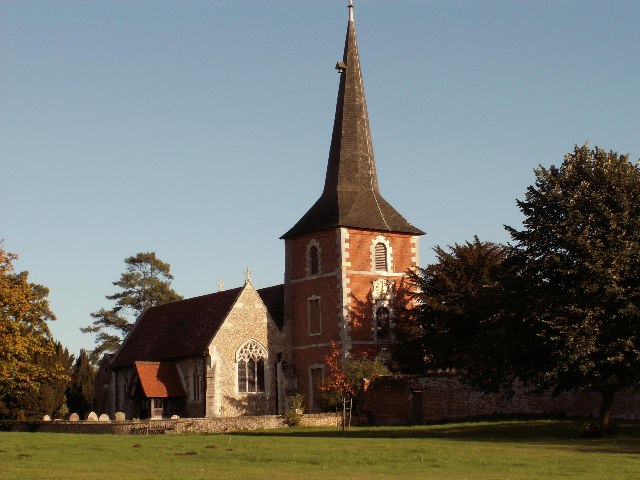
Location and landscape
Situated in the north‑eastern part of Essex, Terling occupies low‑lying countryside typical of the region. The setting is agricultural, with arable fields and hedgerows forming much of the local landscape. Small waterways and drainage channels are features of the area and the village’s name appears linked to local riverine geography.
History and name
Terling has roots that reflect the long settlement history of rural Essex. Place names in the county commonly derive from Old English personal names or natural features, and Terling’s name is likely connected to that linguistic and topographical tradition. Over time the village grew around agricultural holdings, a parish structure and local roads serving neighbouring market towns.
Built environment and amenities
The village contains a mix of buildings that illustrate different periods of local building traditions, including examples of vernacular architecture found across Essex. As a civil parish, Terling is served by local community institutions and amenities typical of English villages, such as a parish council, community meeting spaces and small-scale services that support residents.
Community and economy
The local economy is dominated by agriculture and rural enterprises, while many residents commute to nearby towns for work. Community life is sustained by parish activities, volunteer organisations and seasonal events that strengthen local connections. Conservation of historic character and landscape is often an important concern for villages like Terling.
Notable aspects and distinctions
Terling’s standing as a civil parish in the district of Braintree links it to the administrative and historical structures of Essex. Its modest population recorded in the early 21st century, agricultural setting and assortment of historic buildings are typical features that define the village and its role within the broader rural county.
Related articles
Author
AlegsaOnline.com Terling: village and civil parish in Essex, England Leandro Alegsa
URL: https://en.alegsaonline.com/art/97081
Sources
- neighbourhood.statistics.gov.uk : Neighbourhood Statistics