
Teresina — capital city of Piauí, Brazil
Teresina is the capital of the Brazilian state of Piauí, known for its administrative role, hot climate, riverside setting and regional commerce; population roughly 900,000 and area about 1,680 km².
Overview

Image gallery
6 Images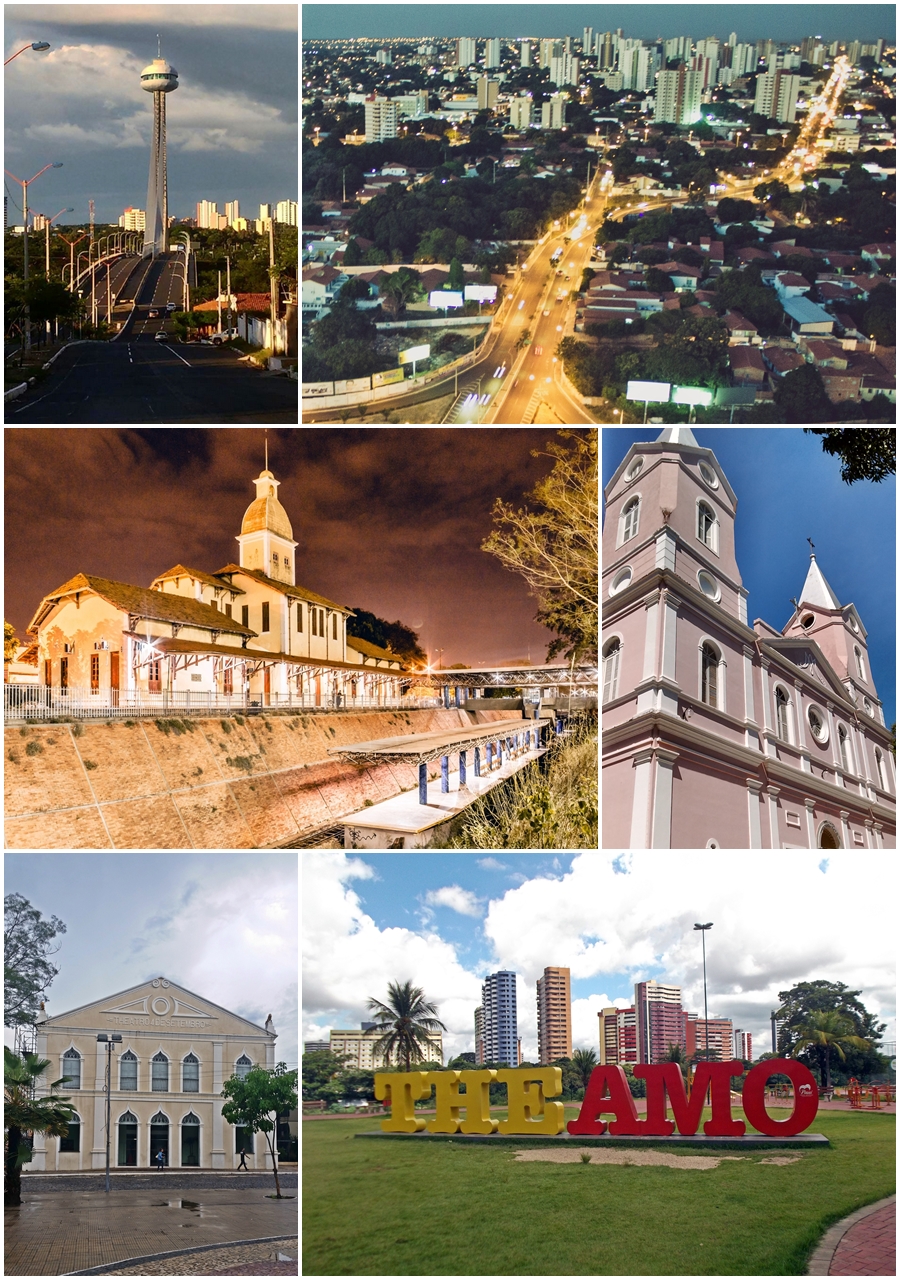




Geography and climate
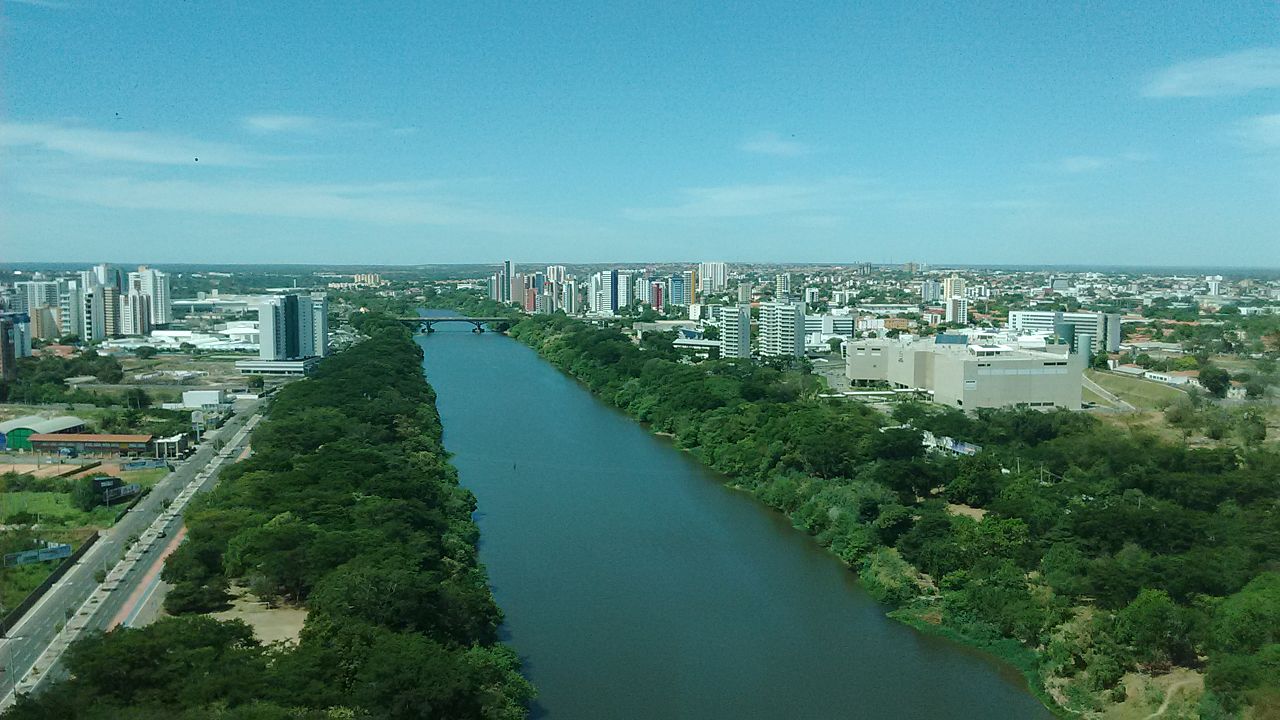
The city lies near the confluence of several rivers, and its urban area is shaped by local waterways and flat terrain. Teresina experiences a tropical climate with marked dry and wet seasons and is widely noted for high temperatures compared with other Brazilian capitals. Vegetation includes urban parks and stretches of caatinga and cerrado in surrounding areas.
History and development
Founded in the 19th century as a planned administrative center, Teresina grew when political and commercial activity shifted inland from older coastal towns. Its name honors a historical figure associated with the imperial period of Brazil. Over time the city expanded outward from its original core into residential neighborhoods, commercial corridors and university campuses.
Economy, culture and transport
Teresina's economy is dominated by public administration, commerce, healthcare and education. Cultural life includes theaters, festivals, museums and regional cuisine influenced by northeastern traditions. The city is connected by highways to other parts of the region and is served by an airport with regular flights to major Brazilian cities.
Notable facts and distinctions

Related articles
Author
AlegsaOnline.com Teresina — capital city of Piauí, Brazil Leandro Alegsa
URL: https://en.alegsaonline.com/art/97074