
Gold rush: causes, methods, famous examples and long-term effects
A gold rush is a rapid influx of people and capital to a newly discovered gold-bearing area. This article describes typical features, mining methods, notable 19th-century rushes, and social and environmental impacts.
A gold rush describes a sudden migration of miners, merchants and support workers to a location where significant quantities of gold have been found. Prospecting and early reports of surface gold trigger rapid settlement around a mining area, often before formal government control or infrastructure is in place. The phenomenon tends to combine individual prospectors, organized companies and a boom in related services such as supplies, transport and lodging.
Image gallery
10 Images





Characteristics and methods
Gold rushes typically begin with simple recovery techniques and may evolve into more complex operations. Common methods include:
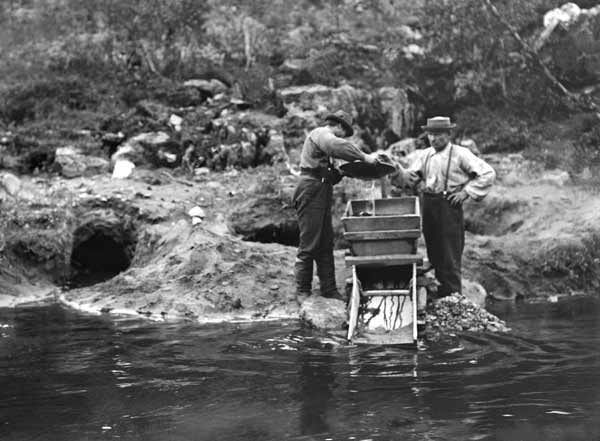
- Alluvial techniques such as panning and rocker boxes to recover gold from river gravels.
- Sluice boxes and hydraulic methods that process larger volumes of sediment.
- Hard-rock or lode mining, where vein-hosted gold is extracted by digging tunnels and shafts.
- Later industrial processing using crushing and chemical extraction for lower-grade ores.
History and notable examples
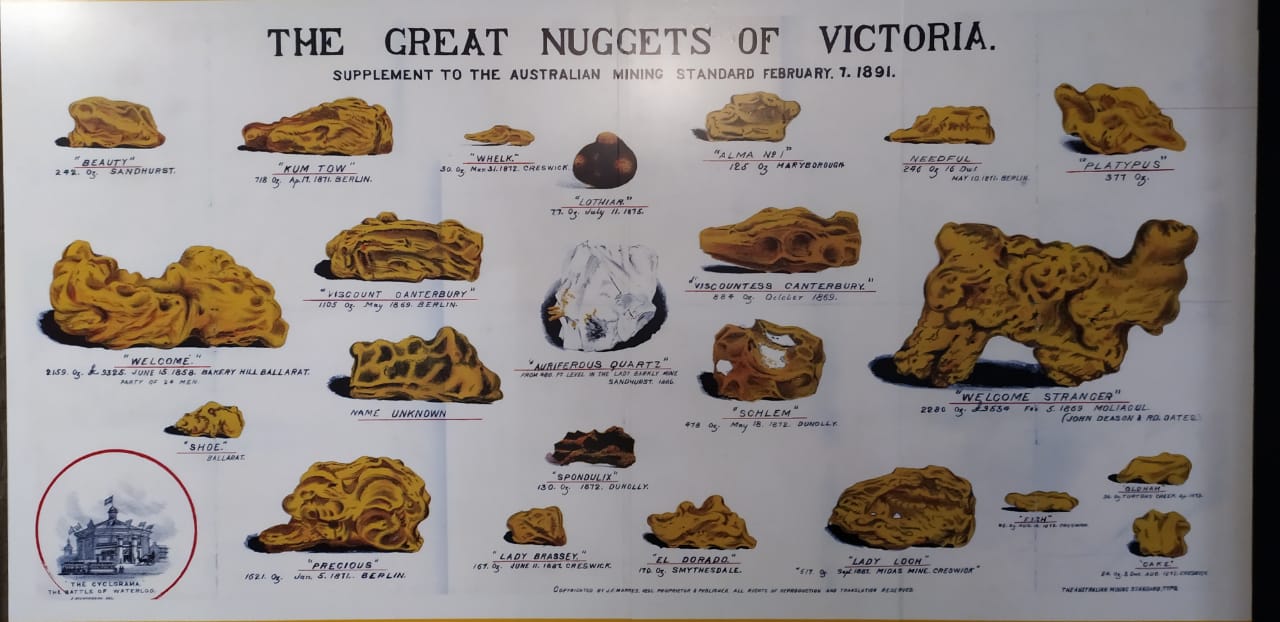
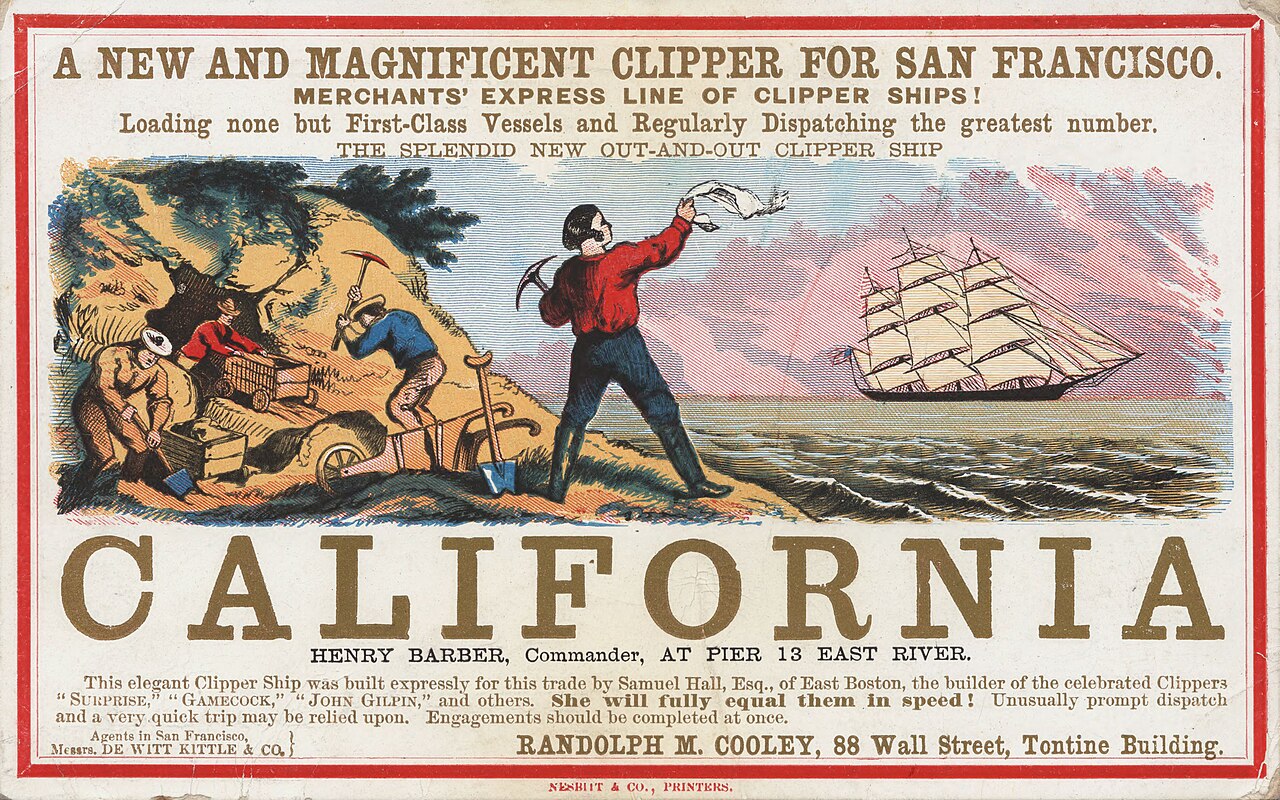
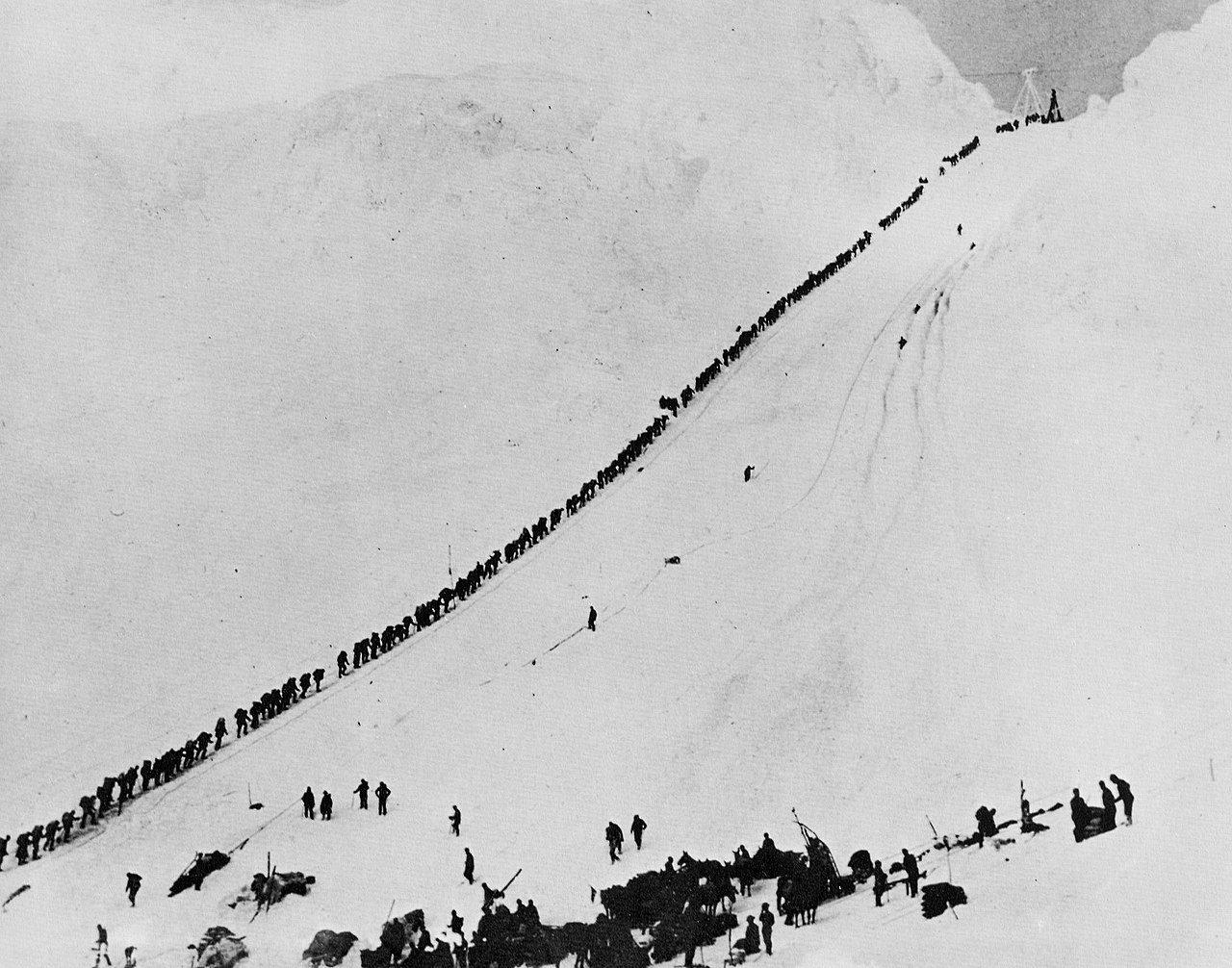
Classic 19th-century rushes reshaped regions and global migration patterns. The California Gold Rush of 1848–1850 sent hundreds of thousands to California and accelerated statehood and economic change. Starting in 1851, Australian discoveries sparked multiple rushes that transformed colonies into more diversified economies. In 1858 the discovery on the Fraser River contributed to a population surge in what is now Canada. Later events, such as the Klondike rush of the late 1890s, show similar patterns of sudden demand for supplies and transit routes.
Impacts and legacy
Short-term effects commonly include rapid town growth, spikes in commodity prices, and newly created trade routes. Long-term outcomes vary: some boomtowns became enduring cities while many sites declined when easily won gold was exhausted. Rushes often disrupted Indigenous communities, altered land tenure, and prompted legal changes such as mining claim systems and property law reforms.
Environmental and social considerations
Gold rushes leave visible legacies: altered river channels, tailings, deforested slopes and sedimentation. They also stimulate migration, entrepreneurship and infrastructure investment, but can produce economic volatility and social conflict. Historians and environmental scientists study rushes to understand both rapid economic development and its costs.
Related articles
Author
AlegsaOnline.com Gold rush: causes, methods, famous examples and long-term effects Leandro Alegsa
URL: https://en.alegsaonline.com/art/39470
Sources
- thecanadianencyclopedia.ca : thecanadianencyclopedia.ca/en/article/fraser-river-gold-rush