
Tent city
A tent city is a temporary grouping of tents used for housing people in contexts ranging from emergency response and refugee camps to unauthorized homeless encampments and protest sites.
Overview
A tent city is a temporary settlement composed primarily of individual shelters such as tents. These settlements can arise for many reasons: emergency response after disasters, organized refugee or military camps, protest encampments, or informal homeless communities. The term emphasizes the provisional and often improvised nature of the housing.
Image gallery
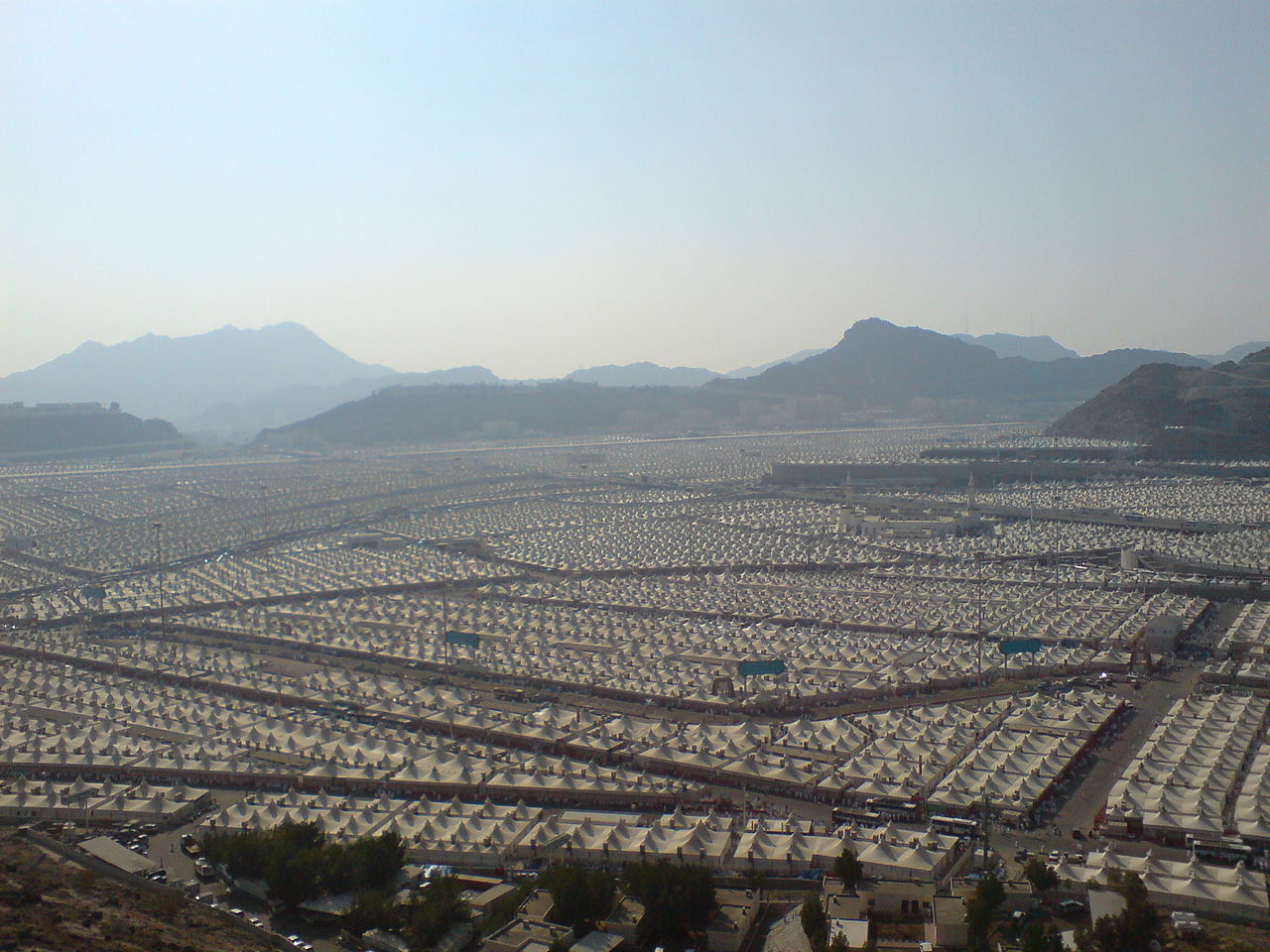
10 Images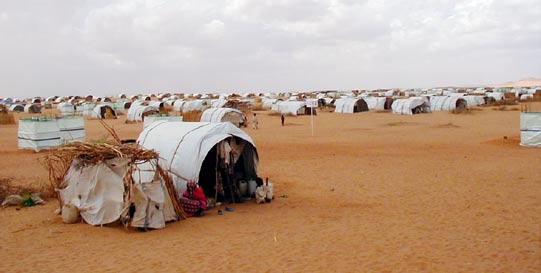




Characteristics
Tent cities vary widely in size, layout and services. Some are planned and managed by governments or relief organizations and include basic infrastructure; others are informal and set up without authorization. Typical features include sleeping areas, shared cooking or eating spaces, sanitation facilities when available, and informal social networks that support daily life.
- Sleeping and personal shelter
- Sanitation and waste management (when provided)
- Access points for aid, medical care, or outreach
- Security or self-organized protection
Contexts and development
They form in different contexts: planned humanitarian camps for refugees and evacuees, military field encampments, temporary disaster shelters, protest sites where demonstrators occupy public space, and informal encampments established by homeless people. The layout and longevity of a tent city depend on its purpose and who manages it.
Governance, services and legal issues
Management ranges from coordinated relief efforts that provide water, sanitation and health services to informal communities reliant on charities and volunteers. Local laws and policies influence whether a tent city is tolerated, regulated, relocated or cleared. Public health, safety and property concerns often shape municipal responses.
Health, safety and social implications
Living conditions can create risks: fire hazards, infectious disease spread where sanitation is limited, exposure to weather, and limited access to healthcare. Social supports such as outreach teams, mobile clinics and harm-reduction services can reduce harm and help residents access longer-term housing.
Distinctions and notable facts
Unlike more permanent informal settlements sometimes described as shanty towns, tent cities are generally intended to be temporary. However, some encampments persist for extended periods, evolving into semi-permanent communities. Their existence raises intersecting questions about emergency planning, housing policy and human rights.
Understanding tent cities requires attention to both material conditions and legal, social and political contexts. Responses that combine immediate aid with pathways to stable housing and services are widely considered more effective than simple removal without alternatives.
Questions and answers
Q: What is a tent city?
A: A tent city is a temporary housing facility made up of tents.
Q: Who might set up an informal tent city?
A: Homeless people or protesters may set up an informal tent city without authorization.
Q: Why might state governments or military organizations set up a tent city?
A: State governments or military organizations may set up a tent city to house refugees, evacuees, or soldiers.
Q: How do informal tent cities differ from shanty towns?
A: Informal tent cities differ from shanty towns in that tent cities are made up of tents, while shanty towns use scrap building materials to create informal settlements.
Q: Are tent cities a permanent solution?
A: No, tent cities are not a permanent solution as they are meant to be a temporary housing facility.
Q: Can tent cities be set up legally?
A: Yes, tent cities can be set up legally when authorized by the government or military organization.
Q: What are some of the drawbacks of living in a tent city?
A: Some drawbacks of living in a tent city may include lack of privacy, security, and access to basic amenities such as running water and electricity.
Related articles
Author
AlegsaOnline.com Tent city Leandro Alegsa
URL: https://en.alegsaonline.com/art/97032
Sources
- sptimes.com : "Pickets greet mayor at church"