
John McDouall Stuart: Australian inland explorer and transcontinental pioneer
Scottish-born explorer John McDouall Stuart (1815–1866) led multiple expeditions into central and northern Australia and was the first European to cross the continent and return, opening routes for settlement and communication.
Overview
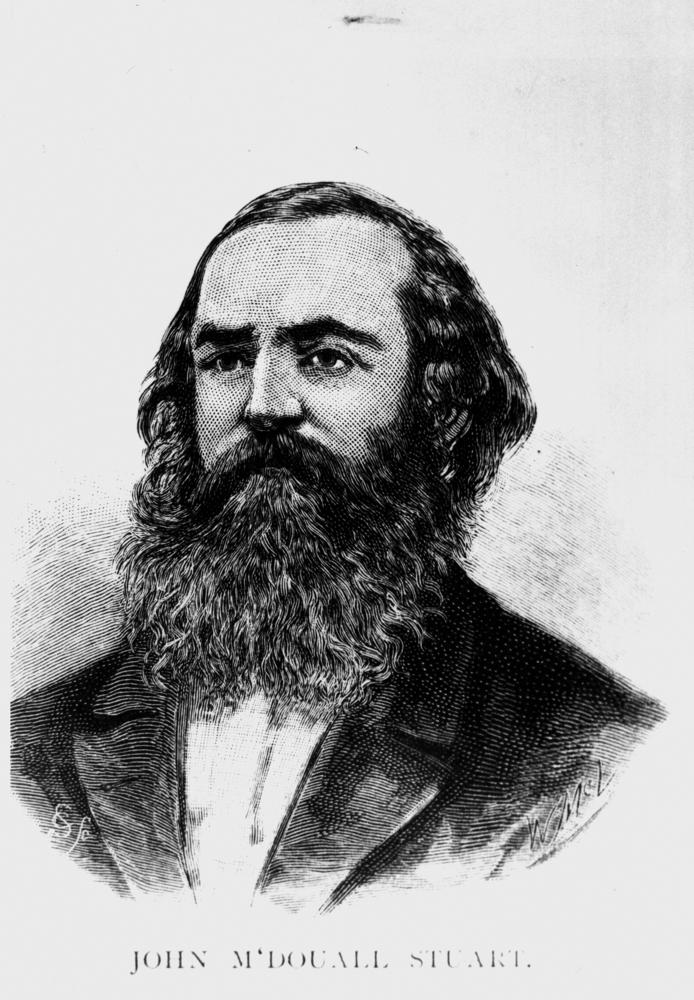
John McDouall Stuart (7 September 1815 – 5 June 1866) is widely remembered as one of 19th-century Australia’s most persistent inland explorers. Born in Scotland, Stuart spent much of his adult life leading expeditions into the arid interior of what is now South Australia and the Northern Territory. Across seven major journeys—six of them under his own command—he pushed further northward each time until, in 1862, he completed a true transcontinental crossing from Adelaide to the Van Diemen Gulf and back. That feat made him the first European to cross the Australian continent from south to north and return by the same route.
Image gallery
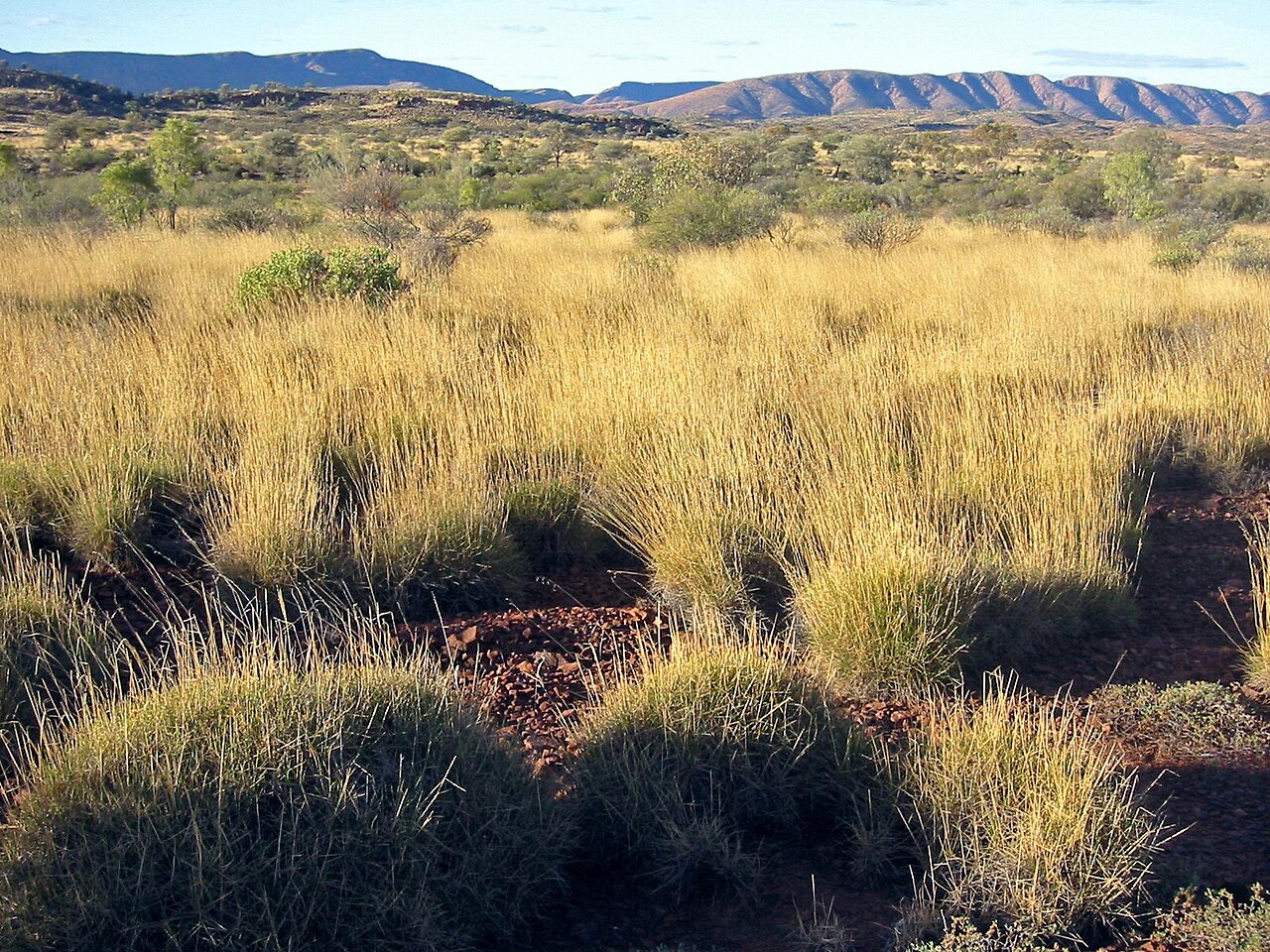
10 Images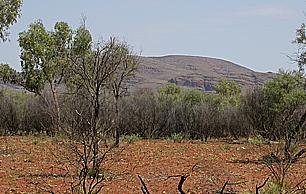




Expeditions and route
Stuart’s work combined careful observation, relentless determination and an ability to find water and suitable camps in harsh country. On each successive expedition he extended known routes, locating springs, soakages and river systems that made travel possible across vast distances of largely unfamiliar terrain. His final, successful journey established a practicable corridor from the settled south into the tropical north; this alignment later influenced the route of the Australian Overland Telegraph Line that connected Adelaide to the sea at the Van Diemen Gulf and, via undersea cable, to international networks.
Characteristics and challenges
Travelling in the mid-1800s meant extreme privation. Stuart suffered multiple illnesses associated with extended bush life and limited diets, including scurvy and symptoms consistent with beriberi. He and members of his parties endured heat, drought, scarce feed for horses and camels, and the constant need to locate water. Despite these hardships, Stuart was noted for his modesty, careful journals and disciplined, methodical approach to navigation and supplies—qualities that helped him complete journeys that others had abandoned.
History, context and interactions
Stuart’s expeditions took place against a backdrop of colonial exploration, pastoral expansion and growing interest in linking Australian settlements with global telegraphy. His routes crossed lands occupied by Indigenous Australians; accounts from his journals record meetings and interactions of different kinds. Modern histories treat those encounters with caution, noting both practical cooperation at times and conflict or misunderstanding at others. Stuart’s name became attached to places, routes and later commemorations, reflecting his central role in opening interior tracks to European settlement and infrastructure.
Legacy and significance
The practical consequences of Stuart’s work were substantial: pastoralists could reach new grazing country; communications infrastructure followed the corridor he mapped; and subsequent explorers and surveyors used his detailed notes. Yet his personal rewards were modest. Colonial authorities granted him some land and a small pension or salary from employers, but he did not receive large financial return. He died in England in 1866 at the age of 50. Over time, Stuart’s route and accomplishments have been commemorated in place names and histories, and his journals remain valuable primary sources for the study of interior exploration.
Further reading and related links
- Biographical overview of John McDouall Stuart
- Details of his seven major expeditions
- Records of Stuart’s field journals
- Notes on water sources and wells located by Stuart
- Adelaide and the colonial context of Stuart’s departures
- South Australia: settlement and exploration
- Van Diemen Gulf and the northern terminus
- Northern Territory country crossed by early explorers
- European exploration of Australia: wider context
- Transcontinental crossings compared
- Health risks on long expeditions
- Scurvy and its effects in the field
- Beriberi and expedition diets
- The Overland Telegraph Line and Stuart’s influence
- Darwin and the broader connection to global telegraphy
- Undersea cables and 19th-century communication routes
- Government rewards, land grants and colonial policy
- Pensions and salaries for colonial explorers
- Employer records and expedition sponsorship
- Stuart’s later life and death in England
For readers seeking primary material, Stuart’s journals, maps and contemporary reports provide the clearest window into his methods and observations. Secondary works assess his achievements in the wider sweep of Australian exploration, balancing recognition of his endurance and skill with consideration of the colonial impacts of opening interior lands to settlement and communication.
Questions and answers
Q: Who was John McDouall Stuart?
A: John McDouall Stuart was an Australian explorer who is regarded as one of Australia's greatest explorers. He went on seven major exploring trips into the centre and north of Australia, leading six of them.
Q: What did he achieve?
A: He achieved a number of feats during his explorations, including being the first European to cross the continent from north to south and then return again. His discoveries opened up the country for the growth of farming sheep and cattle, and his route was used to build the Australian Overland Telegraph Line from Adelaide to Darwin which joined an undersea line from Java.
Q: How did he push himself?
A: Exploring Australia caused Stuart to become very sick from diseases such as scurvy and beriberi, but he pushed himself to the very limits of human endurance on each trip despite this.
Q: What were his personal rewards?
A: His personal rewards were small; he was given some land by the government and a small salary from his employers.
Q: How old was Stuart when he died?
A: Stuart died poor in England at age 50.
Q: What helped him with his final long journey?
A: On each trip, he found water sources that helped him with his final long journey.
Related articles
Author
AlegsaOnline.com John McDouall Stuart: Australian inland explorer and transcontinental pioneer Leandro Alegsa
URL: https://en.alegsaonline.com/art/122576
Sources
- adbonline.anu.edu.au : "Stuart, John McDouall (1815–1866) Biographical Entry"
- johnmcdouallstuart.org.au : "First five expeditions"
- freeread.com.au : "Explorations in Australia"
- gabcc.org.au : "The Peake Overland Telegraph Repeater Station"
- burkeandwills.net.au : "Burke and Wills Expedition 1860–1"
- jstor.org : "Twelfth Meeting (Anniversary)"
- news.google.com : "The Demonstration to Mr. Stuart in Adelaide"
- rgs.org : "Gold Medal Recipients"
- johnmcdouallstuart.org.au : "Great Northern Exploring Expedition"
- docs.google.com : "John McDouall Stuart: Explorer"
- rgssa.org.au : "Stuart's tree"
- nla.gov.au : "John McDouall Stuart"