
Tensas Parish, Louisiana
Rural parish in northeastern Louisiana along the Mississippi River, known for low population, agricultural landscape, wildlife areas, and the parish seat of St. Joseph.
Overview
Tensas Parish is a rural administrative parish in northeastern Louisiana. It is often noted for its low population density and long history of agriculture and river commerce. In French the area is known as Paroisse des Tensas, reflecting Louisiana's Francophone and Creole heritage. The parish government functions as a parish—the state equivalent of a county—within the State.
Image gallery
10 Images

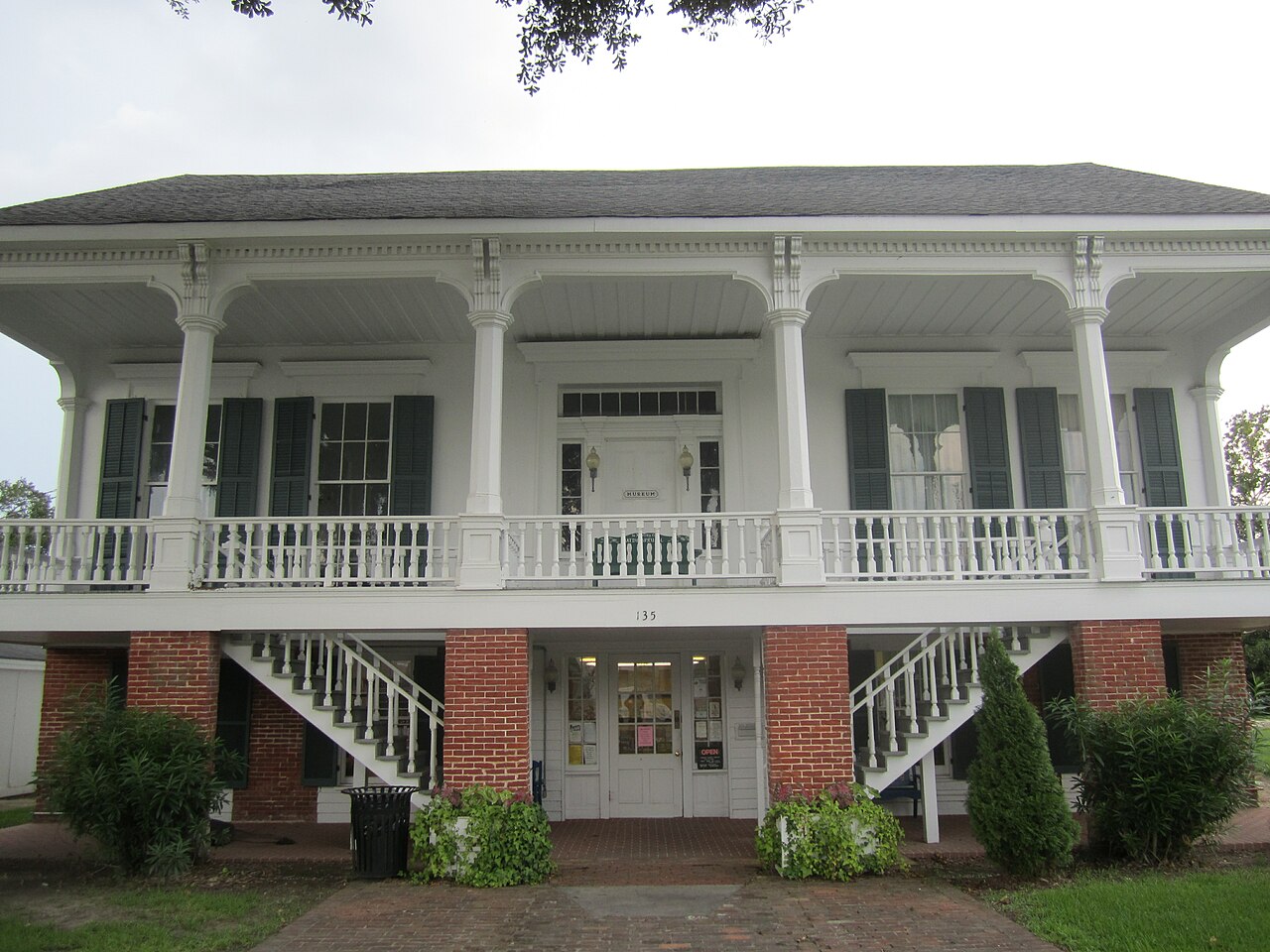
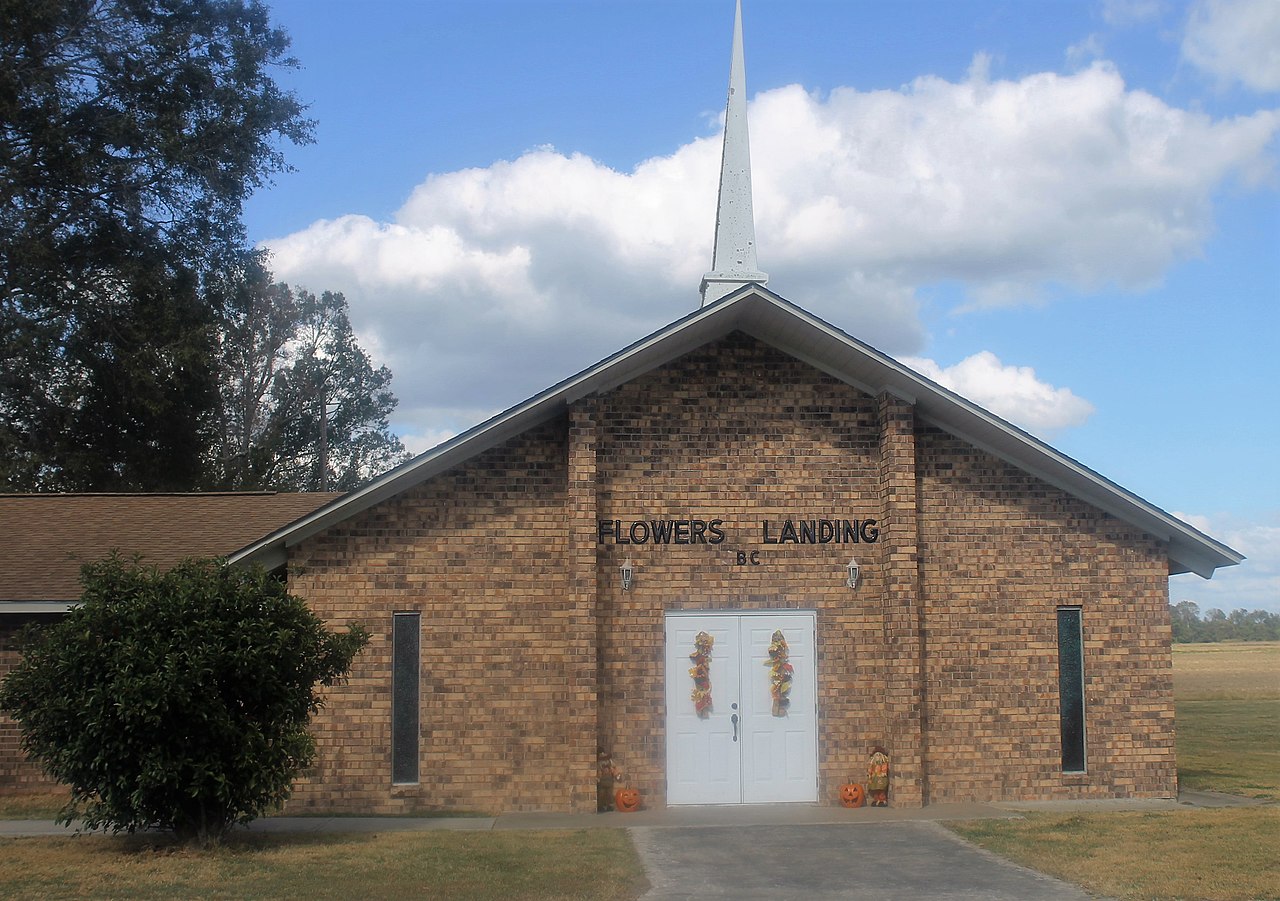
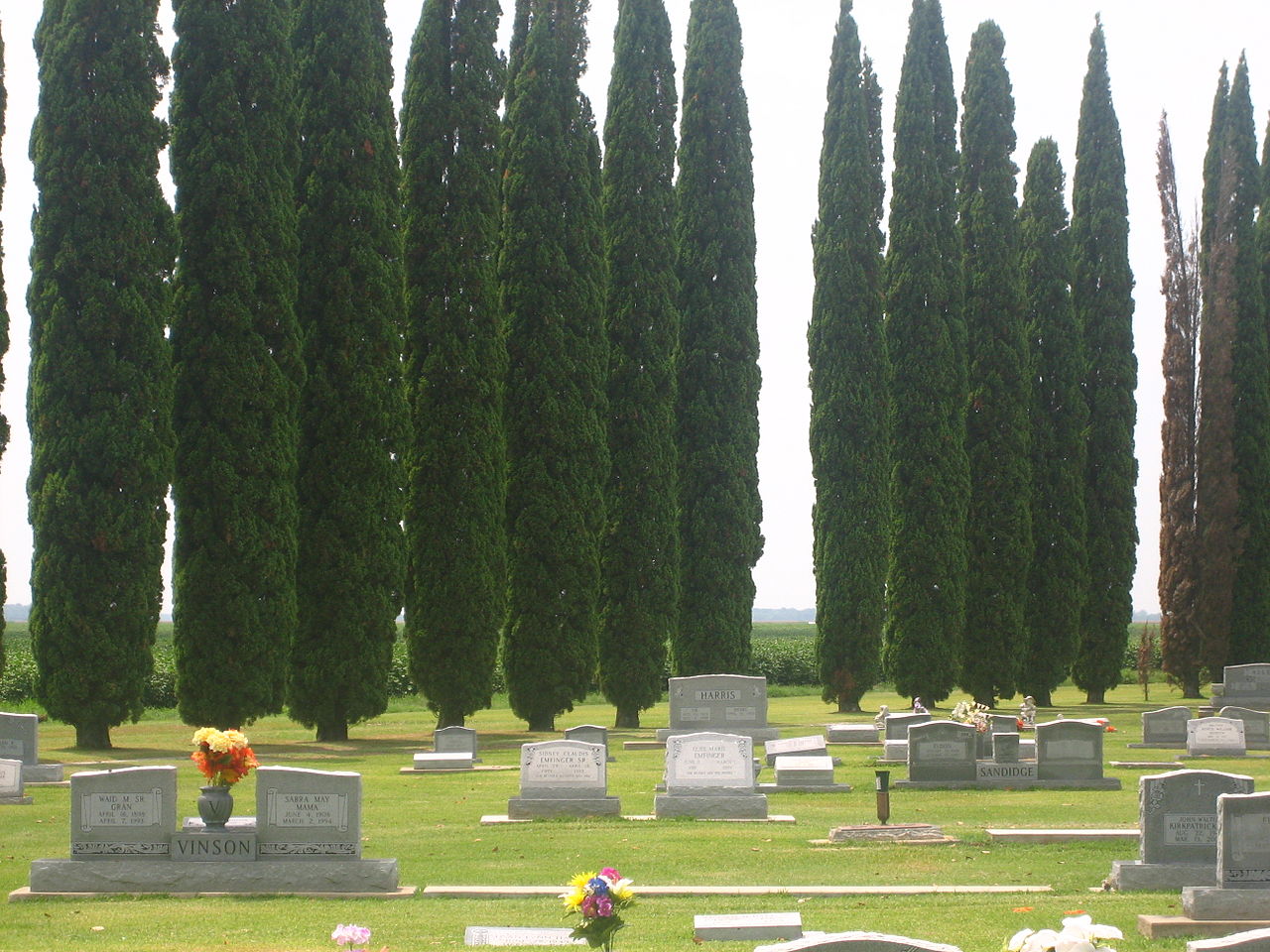



Geography and communities
The eastern edge of Tensas Parish borders the Mississippi River, which has shaped local settlement, transportation and agriculture. The landscape is characterized by river floodplains, bottomland hardwood forests and farmed fields. Small towns and villages serve as local centers of commerce and services.
- Parish seat: St. Joseph
- Other communities: Newellton, Waterproof and scattered rural settlements
History and development
Tensas Parish developed in the 19th century around plantations, river trade and later cotton and other crop production. Its cultural landscape includes influences from Native American, French, African and Anglo-American traditions, visible in place names, architecture and local customs. Over time mechanization and changes in agriculture reduced rural employment and altered settlement patterns.
Demographics and economy
According to the 2010 census, the parish had a small population (5,252), making it one of the least populated parishes in Louisiana. The economy remains largely agricultural, with row crops, livestock and timber important to local incomes. Small businesses, public services and conservation work also contribute to employment.
Natural resources and points of interest
Tensas contains notable wildlife habitat, including bottomland hardwood forests and wetlands that support migratory birds and riverine species. Parts of the Tensas River basin and nearby protected areas draw birdwatchers and outdoors enthusiasts. River access, hunting and fishing are important recreational activities for residents and visitors.
Notable facts and distinctions
Tensas Parish stands out for its sparse population, strong agricultural identity and proximity to the Mississippi River. The parish seat, St. Joseph, remains the civic center and hosts local government, schools and cultural events. For further information on local government, history and services consult parish resources and regional references.
Related articles
Author
AlegsaOnline.com Tensas Parish, Louisiana Leandro Alegsa
URL: https://en.alegsaonline.com/art/97019
Sources
- quickfacts.census.gov : "State & County QuickFacts"
- naco.org : "Find a County"