
Telecommunication: systems, history, and modern uses
Telecommunication is the transmission of information over distance by electrical, optical, or radio means; this article explains its components, history, media, and common applications.
Overview
Telecommunication is the assisted transmission of information across distance. At its simplest it moves messages, data, or control signals using physical or electromagnetic means. Early human methods relied on visual or acoustic signals, while modern systems use electrical, optical and wireless technologies to carry signals from senders to receivers. The field covers telephone and radio systems, television, computer networks and fiber-optic links, and it underpins most long-range exchange of information today communication.
Image gallery
6 Images



Core components and media
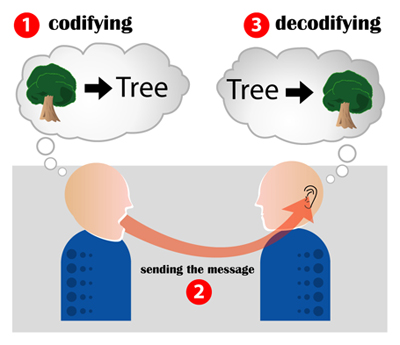
A typical telecommunication link has three core elements: a transmitter that encodes and launches a message, a channel that carries it, and a receiver that recovers the information. Common elements include:
- Transmitters and receivers — devices such as a telephone handset or radio transmitter.
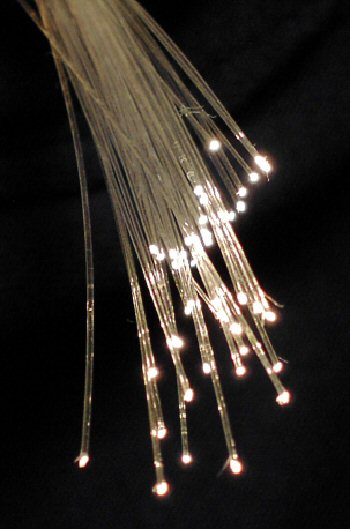
- Transmission media — examples are copper wires, coaxial cable, optical fiber, and open-air radio paths.
- Switching and routing — equipment and protocols that direct messages through a network of intermediate nodes and computers (networks).
Information can be sent as analog waves or as digital bits, often using modulation, multiplexing and error-control techniques to improve capacity and reliability.
Historical development
Long before electricity, people used smoke, drums, flags and reflected sunlight to signal across distance — methods now studied as precursors to formal telecommunication drums, mirrors and heliographs. Mechanical semaphore lines carried coded visual messages in the 18th and 19th centuries semaphore. The electric telegraph and then the telephone launched the era of instantaneous long-distance voice and data. Later, radio and television enabled wireless broadcasting radio, television, while digital switching and the internet transformed capacity and services.
Uses and examples
Telecommunication enables many everyday services and industries:
- Voice calls and messaging (landline and mobile phones telephone).
- Broadcast media such as radio and TV for information and entertainment.
- Data communication for business, banking, cloud services and remote control of equipment.
Specialized links support emergency services, air traffic control, and industrial monitoring, often with dedicated equipment and secure channels.
Distinctions and notable facts
Key distinctions in telecommunication include one-way broadcasting versus two-way conversational systems, analog versus digital signaling, and public-carrier networks versus private/private-virtual networks. Evolution in the field continues: increased bandwidth in optical fibers, pervasive wireless connectivity, and convergence of services have blurred boundaries between traditional telephone, radio and computer networks. For further reading and technical standards, consult introductory references and regulatory material electronics overview, industry portals signal basics and network documentation communications resources, or specific technology pages such as telephony, television, radio, optical fiber, and computer networking. Additional historical and practical entries are available from archival and technical sites semaphore history, acoustic signaling, and device catalogs mirror signaling or heliographs.
Related articles
Author
AlegsaOnline.com Telecommunication: systems, history, and modern uses Leandro Alegsa
URL: https://en.alegsaonline.com/art/96795