
Telegram (messaging service)
Telegram is a cloud-based instant messaging platform with cross-platform clients, channels, bots and large-file sharing. Official clients are open-source while server software is proprietary; based in Dubai, UAE.
Telegram is a cloud-first instant messaging service and platform that provides text chat, voice and video calls, channels, groups, bots and file sharing across mobile, desktop and web clients. It emphasizes speed, a lightweight design and broad file compatibility; users can send documents, photos, videos and many other file types via its interface supported file types. The service is used for one-to-one communication, group collaboration, public broadcast channels and automated interactions using bots.
Image gallery
5 Images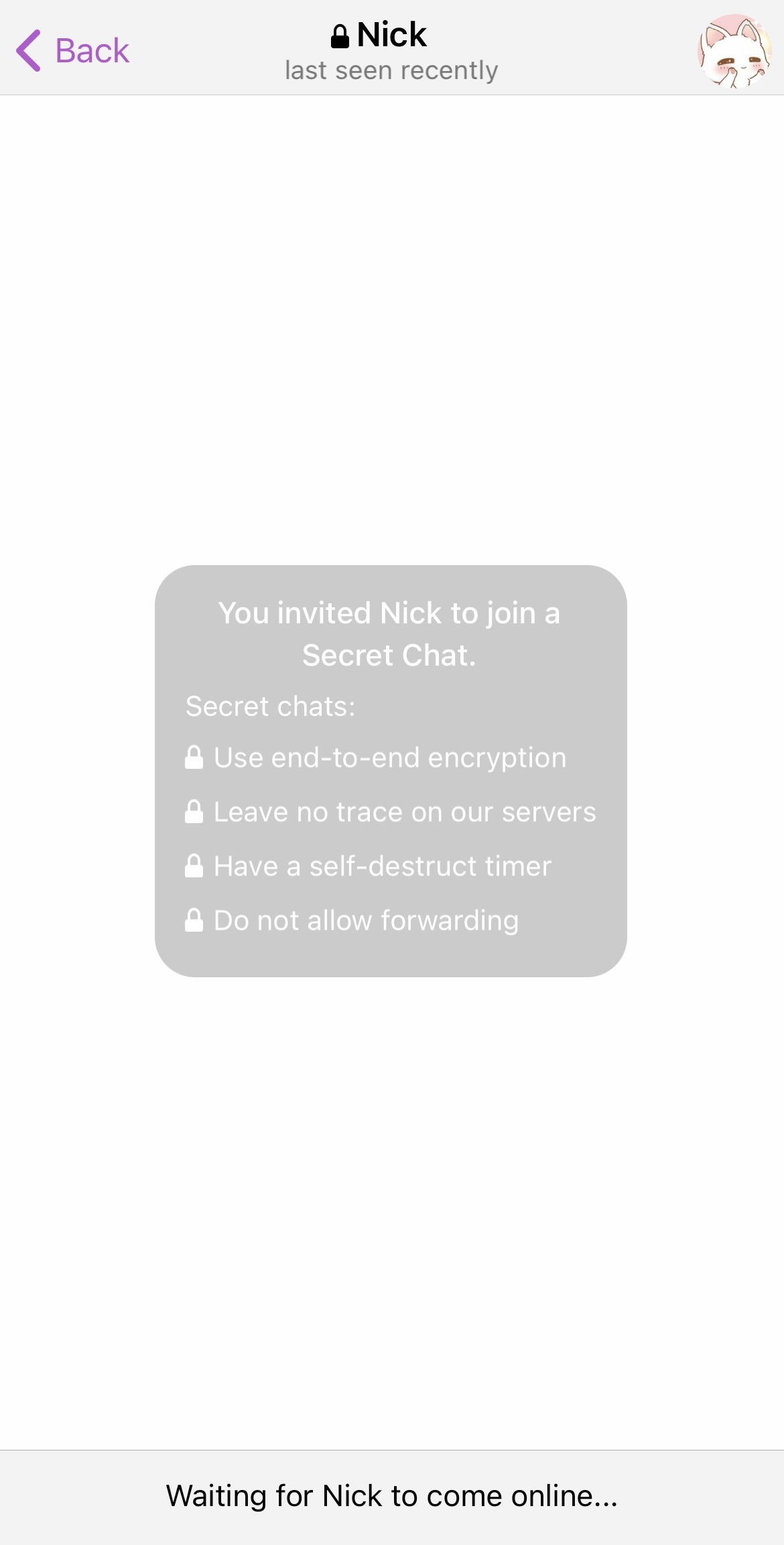


Features
Telegram bundles a wide set of features that appeal to both casual users and developers. Key components include:
- Cloud chats: messages and media stored on Telegram's servers for seamless synchronization across devices and fast message delivery.
- Secret chats: optional end-to-end encrypted conversations that use device-specific keys and offer self-destruct timers; these do not sync across devices.
- Channels and groups: one-to-many channels for broadcasting to unlimited subscribers and groups that support large numbers of members, moderation tools and hierarchical administration.
- File and media support: broad file compatibility and the ability to transfer very large files through the client interface supported file types.
- Extensibility: a public API and bot platform that allow developers to create automated accounts, integrations, and custom services.
- Cross-platform clients: official applications for major operating systems and a browser-based web client, collectively referred to as client applications.
Architecture and software model
Telegram publishes its official client code and some client libraries under open-source licenses, and the project advertises these components as open source. In contrast, the server-side software, infrastructure and some backend components are proprietary: the organization does not fully disclose the server code and describes those parts as server software that remains closed source. The service uses a custom protocol (commonly known as MTProto) to handle message transport, synchronization and some encryption functions.
Security and privacy
Telegram's security model distinguishes between cloud-based chats and end-to-end encrypted secret chats. By default, standard conversations are stored encrypted on Telegram's servers to enable cross-device sync; these are encrypted between the client and the server rather than end-to-end. Secret chats use end-to-end encryption for stronger confidentiality but are limited to device-to-device sessions and are not available for channels or large groups. Additional features include two-step verification, per-chat self-destruct timers, and optional local passcodes.
The choice to implement a custom protocol and to enable end-to-end encryption only for specific chat types has prompted discussion among security researchers and privacy advocates. While many users appreciate the convenience and privacy options Telegram provides, others caution that the default cloud-storage model requires trust in the operator and its server-side security practices.
History and organization
Telegram was created by developers with backgrounds in other social platforms and launched in the early 2010s. Over time it added features such as stickers, voice messages, bots, video calling, and large-scale channels. The company behind Telegram has operated in several jurisdictions and, in recent years, has been based in Dubai, in the United Arab Emirates, while maintaining an international user base and distributed infrastructure.
Use cases and ecosystem
Common uses of Telegram include private messaging, community publishing, project coordination and automation. Public channels distribute news and announcements, while bots handle tasks such as customer support, notifications, and content distribution. The platform's APIs enable third-party developers to create integrations and tools that extend Telegram's functionality.
Criticism and public discussion
Telegram has been the subject of debate on several topics: moderation and content takedown policies, the hosting of extremist or copyrighted material, and the implications of its encryption choices. Regulators and civil society organizations have both praised aspects of Telegram's privacy-friendly features and criticized areas where stronger safeguards or clearer policies might be needed. The organization has responded over time with feature changes, policy updates and new moderation tools as the service has scaled globally.
Notable distinctions of Telegram include the combination of open-source client applications with proprietary server infrastructure, support for very large file transfers and large community capacities, an official bot API, and a focus on speed and cross-device synchronization. As the platform evolves, its technical design, governance and policies remain topics of interest for users, developers and observers.
Related articles
Author
AlegsaOnline.com Telegram (messaging service) Leandro Alegsa
URL: https://en.alegsaonline.com/art/96798
Sources
- techcrunch.com : "Meet Telegram, A Secure Messaging App From The Founders Of VK, Russia's Largest Social Network"
- theverge.com : "Surveillance drives South Koreans to encrypted messaging apps"
- telegram.org : Telegram F.A.Q.: What do the green ticks mean?
- reuters.com : "Russian court bans access to Telegram messenger"
- telegram.org : "Group Chats on Telegram"