
Telegram (electrical telegraph message)
A telegram is a written message sent over electrical telegraph networks. Once essential for urgent news, commerce and personal communication, telegrams declined with telephones and electronic messaging.
The word "telegram" comes from Greek roots meaning "distant letter." Historically, a telegram was a concise written message transmitted by an electrical telegraph system: text encoded into electrical signals, sent along wires or by wireless links, then transcribed and delivered to the recipient by hand or courier. Charges were usually based on length, which encouraged terse wording and a distinctive "telegram style" that avoided unnecessary words and often omitted punctuation.
Image gallery
4 Images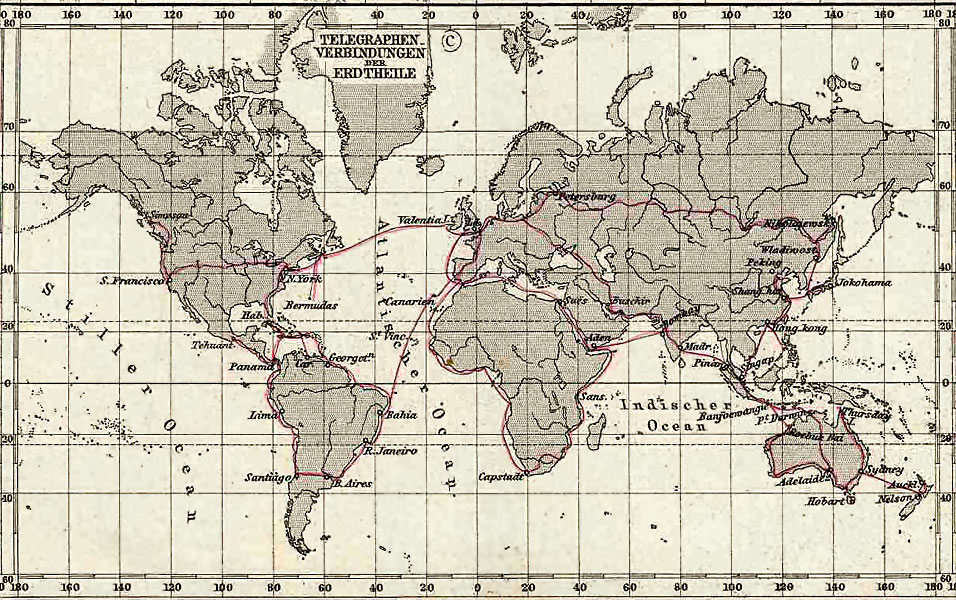


How telegrams were transmitted
Operators converted text into electrical pulses using systems such as Morse code or later teleprinter codes. Early telegraphs relied on simple on/off electric signals read by skilled operators; later equipment such as teleprinters and telex machines automated character-by-character transmission. Signals could travel long distances over landlines and, from the mid-19th century, across oceans via undersea cables, creating near-instant links between distant cities and countries.
Practices, conventions and infrastructure
- Conciseness: Fees based on words produced a terse economy of language; senders often used single words or phrases and conventional markers (for example the word "STOP") in place of punctuation.
- Equipment and networks: Telegraph networks required lines, repeaters and switching centres. Teleprinter (teletype) technology and automated exchanges later reduced the need for skilled Morse operators.
- Delivery: Once received at a central office, messages were printed or written onto forms and delivered by messengers, post offices or special courier services.
Social and economic role
The telegraph revolutionised communication by enabling near-instant transmission of information across long distances. Telegrams were vital to commerce, journalism, finance, railways and government. News agencies used telegraphy to distribute bulletins quickly; railways relied on telegraph lines for signalling and coordination; businesses and individuals used telegrams for urgent instructions and announcements.
Administration and services
Many national postal and telegraph administrations established public telegram services. In the United Kingdom, the Post Office and its telegraph services played a central role in providing national networks. Private and government operators also ran international links and coastal or submarine cable systems. For modern comparisons and reading on electronic messaging, see resources about email.
Decline and legacy
With the spread of the telephone, fax and later electronic mail and instant messaging, demand for traditional telegrams declined sharply. Many countries phased out commercial telegram services or moved to electronic equivalents. Despite this, the telegram left lasting cultural traces: a distinctive terse style, ceremonial uses for official notices and a place in literature and memory as a symbol of rapid communication.
Preservation and study
Historians, collectors and museums preserve telegraph instruments, printed tapes, manuals and telegram forms that document this important phase in communications history. Examples of institutional collections can be found through postal museums and communications archives; national services and authorities such as early British telegraph institutions are often cited in historical accounts of the system (British telegraph authorities, Post Office).
Though largely obsolete for everyday use, telegrams are still remembered for their role in shrinking perceived distances between places and people, and for shaping the way urgent information was conveyed in the modern era.
Related articles
Author
AlegsaOnline.com Telegram (electrical telegraph message) Leandro Alegsa
URL: https://en.alegsaonline.com/art/96799