
Semaphore line (optical telegraph)
A semaphore line is a system for sending visual signals across distances using towers, movable arms, shutters or hand-held flags—precursor to electrical telegraphy and still used in maritime signalling.
The term "semaphore line" refers to networks that transmit information by visible signals rather than by sound or electricity. Traditionally this included chains of purpose-built towers with movable arms or panels, and later also systems of hand-held flags used at closer range. Such installations rely on line-of-sight observation and agreed codes so that positions of arms, shutters or flags represent letters, numbers or predefined messages. For general context see optical signaling.

Image gallery
10 Images

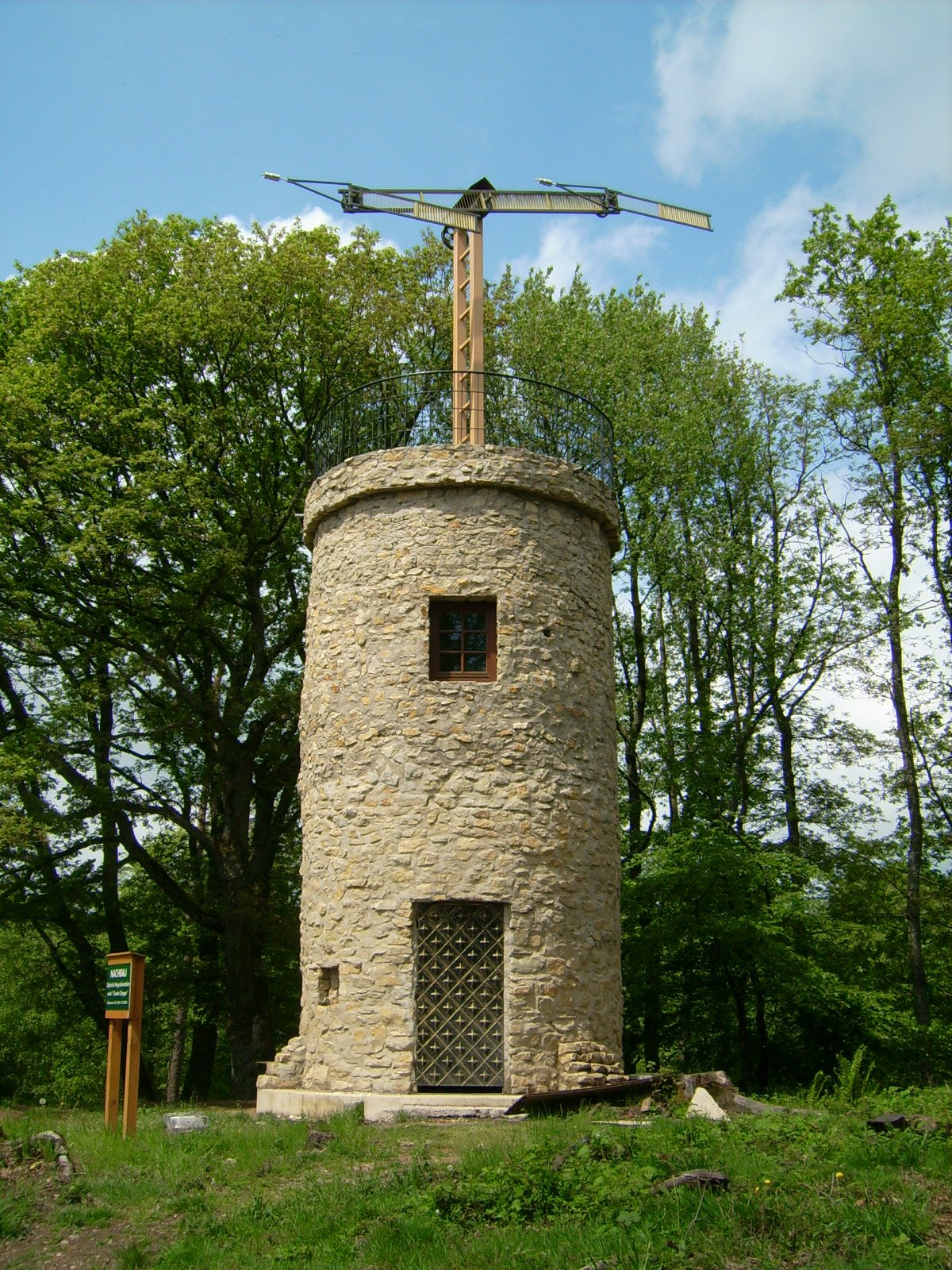
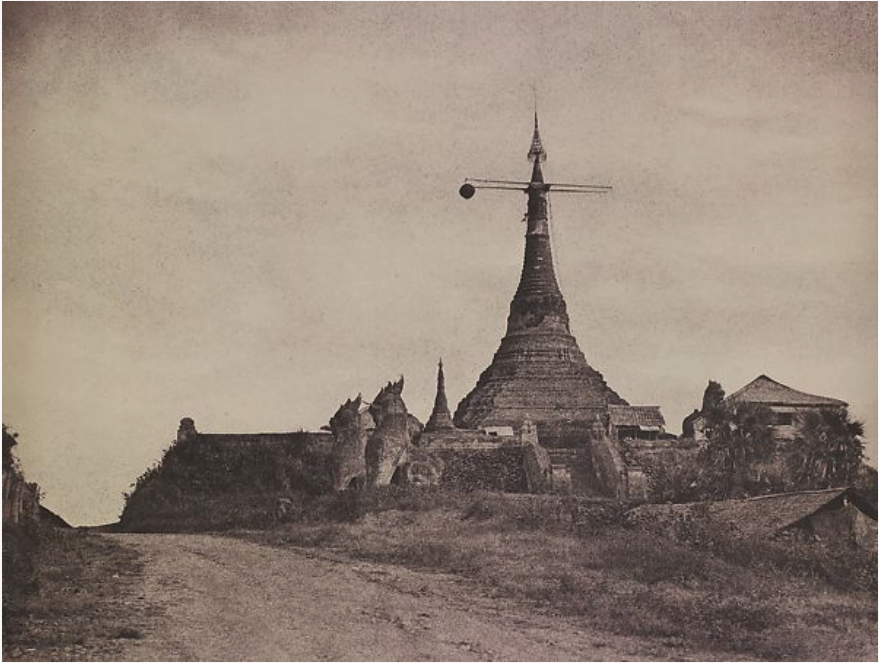


How it works: parts and operation
Typical components of a semaphore line include raised stations located on hills or towers, a signaling apparatus (for example pivoting arms or shuttered panels), and a codebook that interpreters at each station use to convert visual configurations into text. Operators set an arrangement, wait until it is steady and clear, and the next station reads and repeats the display, relaying the message along the chain. Handheld semaphore uses two flags moved into fixed positions to encode letters; for that form see flag semaphore. The method depends on daylight and good weather, and stations must be spaced so that observers have an unobstructed view.

History and development
Long before electric telegraphy, people used line-of-sight signaling—smoke, fires, beacon chains and simple semaphores—to communicate rapidly over distance. The modern mechanical optical telegraph emerged in the late 18th century, most famously in networks developed in France to carry government and military dispatches; engineers such as Claude Chappe created standardized towers and signaling conventions that linked cities at unprecedented speed. The system spread in variations across Europe and later inspired seaside and naval signaling methods. For a well-known example, see Claude Chappe's optical telegraph.

Uses, advantages and limits
- Uses: rapid transmission of military orders, weather and shipping notices, news, and coordination of rail and coastal operations.
- Advantages: much faster than mounted couriers over similar terrain and could move messages across hundreds of kilometres in a fraction of the time.
- Limitations: ineffective at night or in fog, labor-intensive, required many staffed stations and offered limited privacy unless codes were used.

Decline and legacy
The invention and spread of electrical telegraphy in the mid-19th century rendered most optical telegraph networks obsolete because electrical lines carried signals regardless of visibility and with simpler relay technology. However, semaphore concepts endured: naval flag semaphore remains part of maritime practice and training, railway and airport signaling preserve the term "semaphore" in some contexts, and the underlying idea—conveying information by distinct, standardized positions—continues in modern visual displays. Photographs and surviving towers are studied as technological and social heritage; see related illustrations and museum exhibits via historical collections, architectural records and museum documentation.
Distinctions to note: the phrase "optical telegraph" often refers to fixed tower networks, while "semaphore" is also widely used for the two-flag hand system and for any signaling device that indicates state by position. The systems share principles but differ in scale, equipment and typical application.
Questions and answers
Q: What is a semaphore line?
A: A semaphore line is an installation used to send optical signals, also known as an optical telegraph. It usually consists of signal towers with special installations on them or hand-held flags. The meaning of the signal is determined by the position of the elements, such as flags.
Q: How was information sent before the electric telegraph?
A: Before the electric telegraph, information was sent out using post riders.
Q: Who invented the optical telegraph?
A: The optical telegraph was invented by Claude Chappe.
Q: What does a person holding two semaphore flags represent?
A: When a person holds two semaphore flags it typically represents the letter "P".
Q: Where can Chappe semaphore towers be found? A: Chappe semaphore towers can be found near Saverne, France and at Louvre in France.
Q: How are signals read from a stable position?
A: Signals are read when they are in a stable position.
Related articles
Author
AlegsaOnline.com Semaphore line (optical telegraph) Leandro Alegsa
URL: https://en.alegsaonline.com/art/88724