
Telephone box (phone booth): design, history, and modern uses
Enclosed public kiosks that house payphones, often street furniture. Covers design, components, cultural history (including British red boxes), decline after mobile phones, and contemporary reuses.
Overview
A telephone box, often called a phone booth, is a small public kiosk that encloses a payphone or telephone instrument. Traditionally placed on streets, in stations, or inside public buildings, these enclosures offered callers privacy and protection from weather while using a public telephone. As objects of street furniture they also became visual markers and, in some nations, cultural icons.
Image gallery
10 Images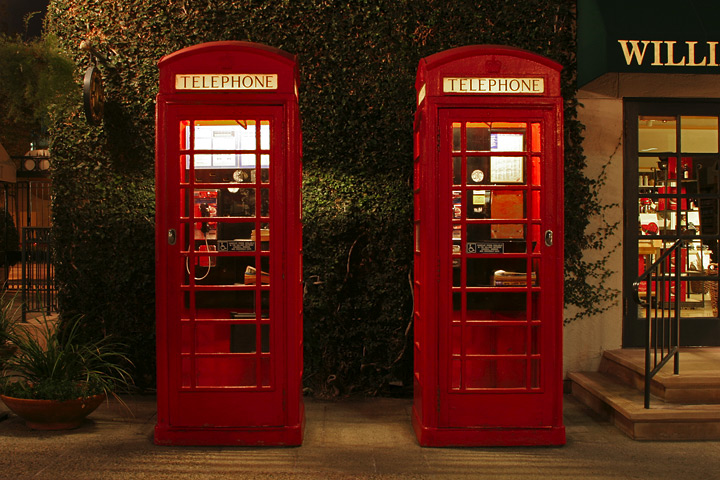


Design and typical components
Most telephone boxes are a compact, single-person enclosure with a door or open entry, transparent or frosted glazing, and a mounted telephone. Common parts include the handset and cord, dialing interface or keypad, coin slot or card reader, instruction panel, and sometimes a small shelf or seat. Materials range from cast iron and steel to aluminum and molded plastic; glazing is usually safety glass or polycarbonate. Lighting and signage are frequent features to make the kiosk visible at night.
History and cultural significance
Enclosed public telephones emerged as telephony expanded into everyday life. In the United Kingdom the red telephone box became widely recognised for its cast-iron design by Sir Giles Gilbert Scott; these models appeared across Britain and in some territories such as Malta and Gibraltar. The bright colour and distinctive silhouette made them easy to spot and helped establish them as design landmarks and symbols in photography, film, and popular culture. Different countries adopted varying styles and naming conventions—"telephone box" is common in British English, while "phone booth" is often used in American English.
Uses, decline, and examples of reuse
Telephone boxes once served as vital points for voice communication, emergency calls, and directory information. With the rapid spread of mobile phones and alternative communication methods, many payphones became redundant and were removed or decommissioned. Some surviving examples are preserved as listed or protected street furniture for their historic or aesthetic value.
- Adaptive reuses include housing automated external defibrillators (AEDs), book-exchange "mini-libraries", art installations, tourist information points, and mobile-phone charging stations.
- Heritage and community groups often campaign to retain iconic boxes as public assets or to convert them into small community facilities.
Notable distinctions and contemporary context
Telephone boxes differ from simple outdoor phone alcoves or indoor phone rooms by being enclosed structures intended to give privacy and shelter. Modern kiosks may remove coin mechanisms in favour of card or contactless payments, while some new street installations focus on broadband, Wi-Fi hotspots, or solar-powered charging rather than voice calls. The decline of traditional booths highlights shifts in technology and public infrastructure, but their continued repurposing underscores their lasting civic and cultural value in many places affected by the rise of mobile phones.
Examples of national and historical variations are documented in transport and urban design references; for further technical information and preservation efforts see specialist resources and local heritage listings (UK telephone box designs).
Questions and answers
Q: What is a telephone box?
A: A telephone box, also known as a phone booth, is a public kiosk that encloses a payphone.
Q: Where can a telephone box usually be found?
A: A telephone box is usually found as an item of street furniture, but some may be inside a building.
Q: Who designed the telephone boxes in the United Kingdom?
A: The telephone boxes in the United Kingdom were designed by Sir Giles Gilbert Scott.
Q: Where were the UK telephone boxes common?
A: The UK telephone boxes were common in the UK, Malta, and Gibraltar.
Q: Why was the colour red chosen for the UK telephone boxes?
A: The colour red was chosen for the UK telephone boxes to make them easy to spot.
Q: What is happening to telephone boxes due to the growth of mobile phones?
A: Telephone boxes are steadily being removed due to the growth of mobile phones.
Q: What is inside a telephone box?
A: A telephone box usually encloses a payphone.
Related articles
Author
AlegsaOnline.com Telephone box (phone booth): design, history, and modern uses Leandro Alegsa
URL: https://en.alegsaonline.com/art/96811
Sources
- btbusiness.custhelp.com : "Service level - BT Payphones"