
Tarragon (Artemisia dracunculus): culinary herb, varieties and cultivation
Tarragon (Artemisia dracunculus), commonly called estragon, is a fragrant perennial herb used in cooking and traditional remedies. Covers appearance, varieties, cultivation, uses and safety notes.
Overview
Tarragon (Artemisia dracunculus), also known as estragon, is a perennial aromatic herb in the daisy family (Asteraceae). Native across much of the temperate Northern Hemisphere, it has been adopted into many culinary traditions for its anise-like, slightly bitter flavor. The plant is valued both for fresh leaves and for distilled essential oil used in flavoring and perfumery.
Image gallery
2 Images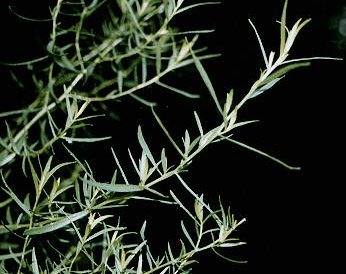

Characteristics and identification
Tarragon typically produces slender, branched stems and narrow, lance-shaped leaves. Plants commonly reach about 60–150 cm tall in favourable conditions. Small, inconspicuous yellow-green flowers appear on mature plants, but leaves are harvested before heavy flowering for peak flavor. The aroma and taste come from volatile compounds concentrated in the leaves and oil glands.
Varieties and taxonomy
Several forms of tarragon are recognized in cultivation. The so-called French tarragon is prized by cooks for its refined flavor; it is generally sterile and propagated by root division or cuttings. Russian tarragon is hardier and produces viable seed but has a coarser, less aromatic profile. A different plant often called "Mexican tarragon" (Tagetes lucida) is not the same species but is used as an anise-flavored substitute in some regions. These distinctions are important for gardeners and chefs selecting plants for flavor versus hardiness.
Cultivation, propagation and harvesting
- Site: full sun to light shade with well-drained soil.
- Propagation: French tarragon by division or rooting cuttings; other forms may be grown from seed.
- Care: drought-tolerant once established, trim regularly to encourage new growth.
- Harvest: pick leaves before flowering for the best aroma; dry or freeze promptly to preserve flavor.
Uses and cultural importance
Culinarily, tarragon is a classic component of French cuisine and of herb blends such as fines herbes. It complements poultry, fish, eggs, and sauces (notably béarnaise), and is used to flavor vinegars, oils and pickles. In traditional herbalism it has been used as a digestive aid and mild stimulant, though such uses are historical and should not replace medical advice.
Chemistry and safety
Tarragon's scent and taste derive from volatile constituents such as methyl chavicol (estragole) and related compounds. Laboratory studies have raised questions about estragole in very large doses, but normal culinary use involves much smaller amounts. As a precaution, concentrated oils and extracts should be used with care and avoided in large medicinal doses except under expert guidance.
Notable facts and distinctions
Tarragon is best known as a culinary herb but has horticultural and aromatic uses as well. Gardeners choose between flavor quality and cold tolerance when selecting a form to grow. Because the widely cultivated French form does not set useful seed, gardeners propagate it vegetatively to preserve the desirable flavor profile.
Further reading
Related articles
Author
AlegsaOnline.com Tarragon (Artemisia dracunculus): culinary herb, varieties and cultivation Leandro Alegsa
URL: https://en.alegsaonline.com/art/96425