
Battle of Valverde (February 1862) — New Mexico Campaign
A concise account of the February 20–21, 1862 Battle of Valverde in Confederate Arizona (present-day New Mexico): forces, course of the fighting, and its role in the wider New Mexico campaign.
Overview
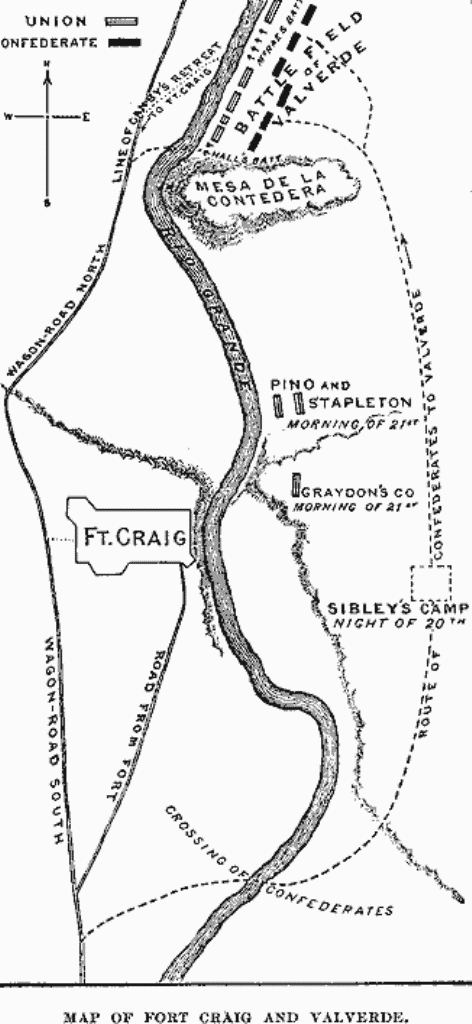
The Battle of Valverde was a significant engagement of the American Civil War fought on February 20–21, 1862 near the ford at Valverde on the Rio Grande. Contemporary reports described it simply as a battle near the modern town of Valverde, New Mexico, then part of Confederate Arizona. The action formed a central episode in the Confederate attempt to secure the Southwest and its routes north and west.
Image gallery
7 Images


Combatants and commanders
Confederate forces were led by cavalry and mounted infantry from Confederate command, notably units of cavalry raised in Texas together with local Arizona militia. Opposing them were Union regulars and volunteers: U.S. Army soldiers and local territorial units from northern New Mexico and Colorado, organized as Union columns and patrols. Among Union leaders in the field was Colonel Kit Carson, who had command responsibilities with the 1st New Mexico Infantry while other Union units comprised both regular troops and volunteer companies.
Course of the battle
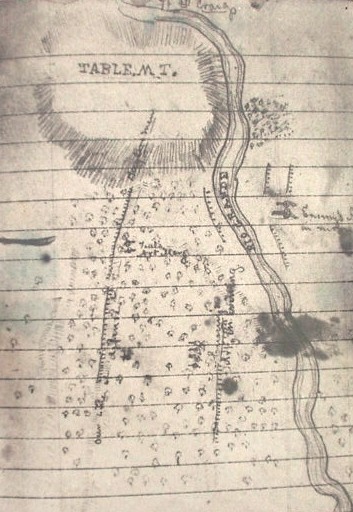
The fighting concentrated on control of the river ford. Confederate horsemen probed Union positions, seeking to cross and disrupt the defensive line. Union troops deployed along the riverbanks and attempted to use artillery and infantry to contest crossings. The clash produced intense mounted and dismounted combat over two days, during which both sides maneuvered for advantage and supply lines were important. Forces from Colorado and New Mexico played prominent roles in holding or contesting ground.
Aftermath and significance
Confederate forces won a tactical success at Valverde, which opened a temporary route north toward Albuquerque and Santa Fe. The victory, however, did not secure lasting Confederate control of the region: logistical limits, scarce resources and later actions in the campaign determined the ultimate outcome. The engagement is often seen as a key moment in the short-lived Confederate thrust into the Southwest and is linked in campaign narratives to subsequent encounters that decided control of the territory.
Notable facts and context
- The fight occurred in territory claimed as Confederate Arizona and involved a mix of regular cavalry, volunteers and local militia.
- Prominent frontier figures, including Kit Carson, served in leadership roles on the Union side.
- Valverde demonstrated the importance of river fords and mobility in desert warfare and highlighted the logistical challenges faced by both armies operating far from major bases.
- The engagement is part of a larger sequence of operations in the New Mexico campaign that influenced control of the American Southwest.
For additional primary records and campaign summaries see contemporary reports and regional histories that trace troop movements, orders and the relationship of Valverde to later actions in 1862. Researchers can consult collections and overviews that focus on Civil War operations in the Trans‑Mississippi and Southwestern theaters for fuller operational detail.
Tags
Related articles
Author
AlegsaOnline.com Battle of Valverde (February 1862) — New Mexico Campaign Leandro Alegsa
URL: https://en.alegsaonline.com/art/9582