
Cavalry: mounted troops and their evolution into mechanized forces
Overview of cavalry as mounted soldiers, their equipment and tactics, historical development from chariots to knights to tanks, and the modern roles of armored and reconnaissance units.
The term cavalry historically refers to soldiers who fight while mounted on horses and to the military units composed of those riders. Mounted troops have distinct advantages over foot soldiers: greater mobility, speed in pursuit or retreat, and the ability to deliver shock action on a battlefield. In many armies the word also came to mean units that perform similar roles while mounted in vehicles rather than on animals; today such formations may ride in armored cars, combat vehicles or tanks. See the concept of a soldier mounted for combat and the contrast to the infantry that fights on foot.
Image gallery
10 Images




Characteristics and equipment
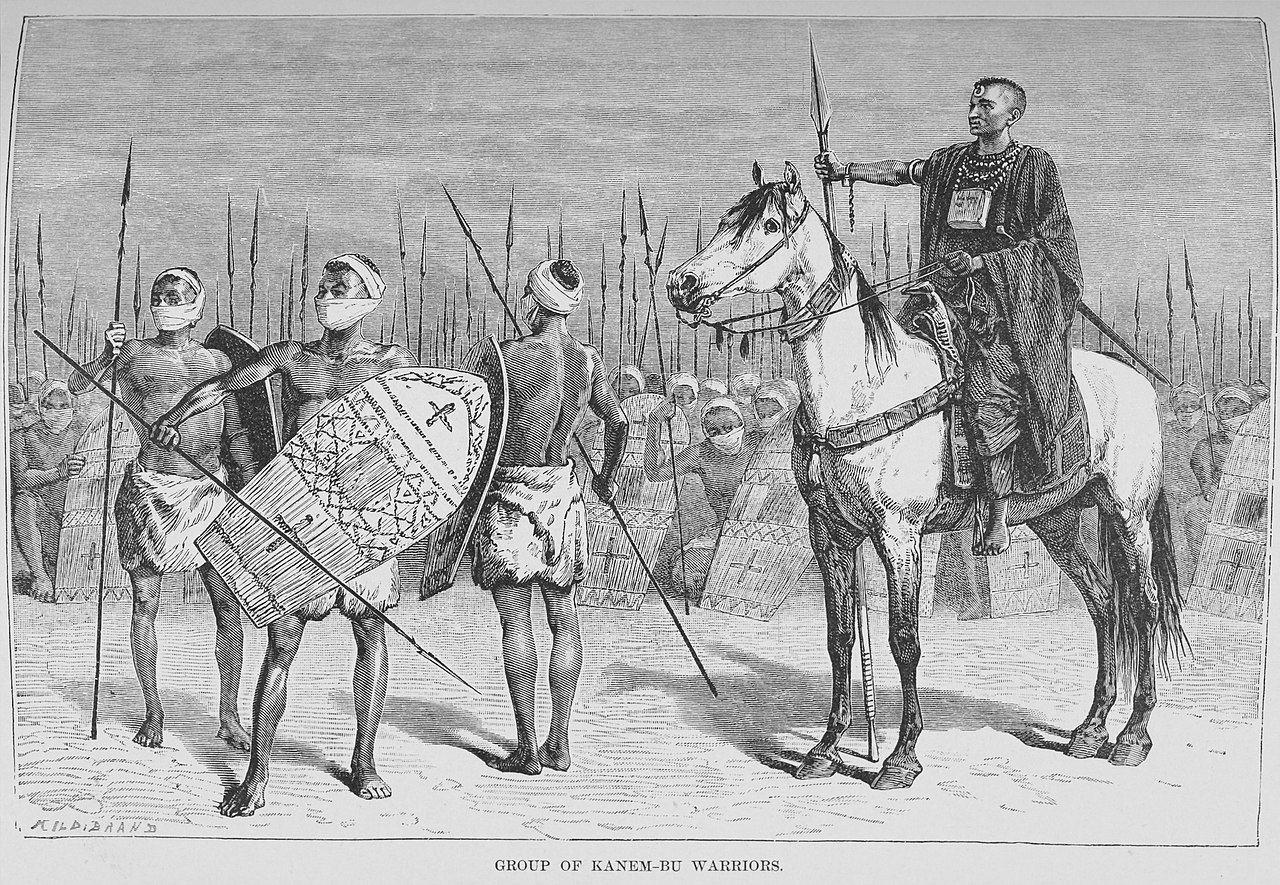
Cavalry units combine mounts, riders and specialized equipment. In horse-mounted eras typical gear included saddles, bridles, stirrups, lances, sabres and carbines. The animal itself—often trained for battlefield noise and maneuvers—was a critical component. Horse cavalry could carry heavier personal armor and larger weapons than many foot troops because the mount bore some weight and provided momentum. Later, mechanized cavalry substituted motorized transport, replacing tack with engines and armor plating; the modern analogue is frequently fielded in tank or armored reconnaissance units such as those equipped with light armored vehicles and combat reconnaissance vehicles.
History and development
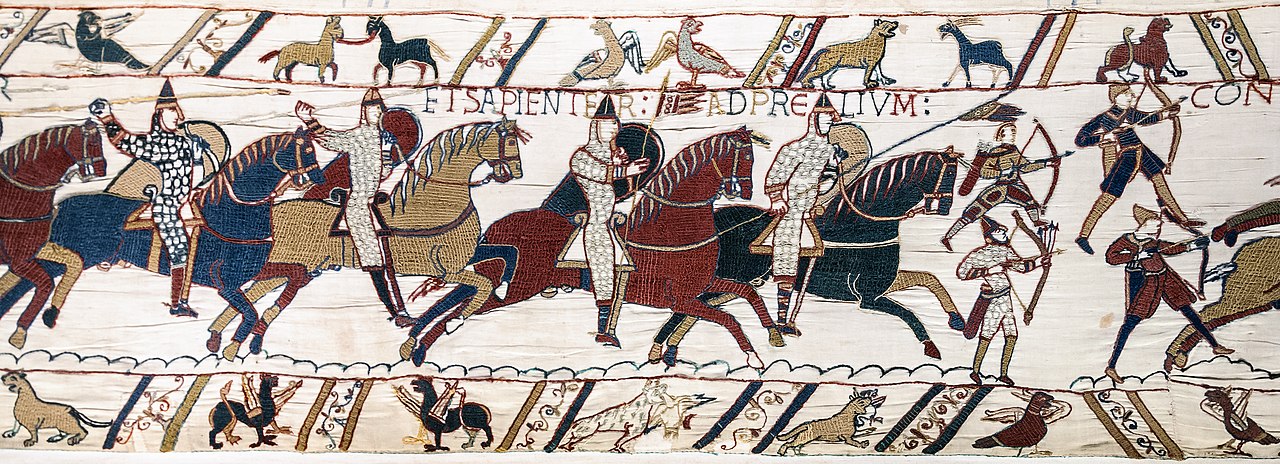
The roots of mounted warfare extend back to the period after humans began riding animals and to earlier chariot warfare. Before widespread riding, many societies deployed chariots pulled by horses or other draft animals as mobile weapons platforms; compare this to earlier chariots. Over centuries the role evolved: medieval heavy cavalry — the armoured knight — emphasized shock and melee; lighter cavalry specialized in scouting, screening, raiding and skirmishing. The age of gunpowder and improved firearms changed tactics and reduced the dominance of heavy cavalry, though horsemen remained important through the 18th and 19th centuries.
By the 20th century the emergence of machine guns, trenches and motor transport led to rapid transformation. During and after the First World War many armies began to replace horses with mechanically propelled vehicles; in the later 20th century the word "cavalry" was often applied to armored and reconnaissance formations operating tanks and other armored vehicles. For modern comparisons consult discussions of tanks and light armored units.
Roles, tactics and importance
- Reconnaissance and screening: finding enemy positions and protecting friendly forces.
- Shock and breakthrough: using momentum to break enemy lines or rout opposing troops.
- Raiding and pursuit: rapid exploitation of opportunities and chasing retreating units.
- Mobile firepower: modern cavalry can combine mobility with mounted weapons systems.
Despite changes in technology, the underlying military concept of cavalry—units that trade staying power for mobility—remains valuable. In many modern armies the term survives as a traditional designation for armored reconnaissance or mobile strike units. For general historical context and comparisons with other arms see further material on horses in warfare and the institutional development of the mounted arm in military organizations, as well as references to soldiering practices and the institutional distinction between cavalry and other combat branches.
Related articles
Author
AlegsaOnline.com Cavalry: mounted troops and their evolution into mechanized forces Leandro Alegsa
URL: https://en.alegsaonline.com/art/17724