
Battle of Atlanta (22 July 1864)
A major 1864 engagement of the American Civil War during Sherman's Atlanta Campaign; the battle weakened Confederate defenses around Atlanta and helped shape the final months of the conflict.
Overview
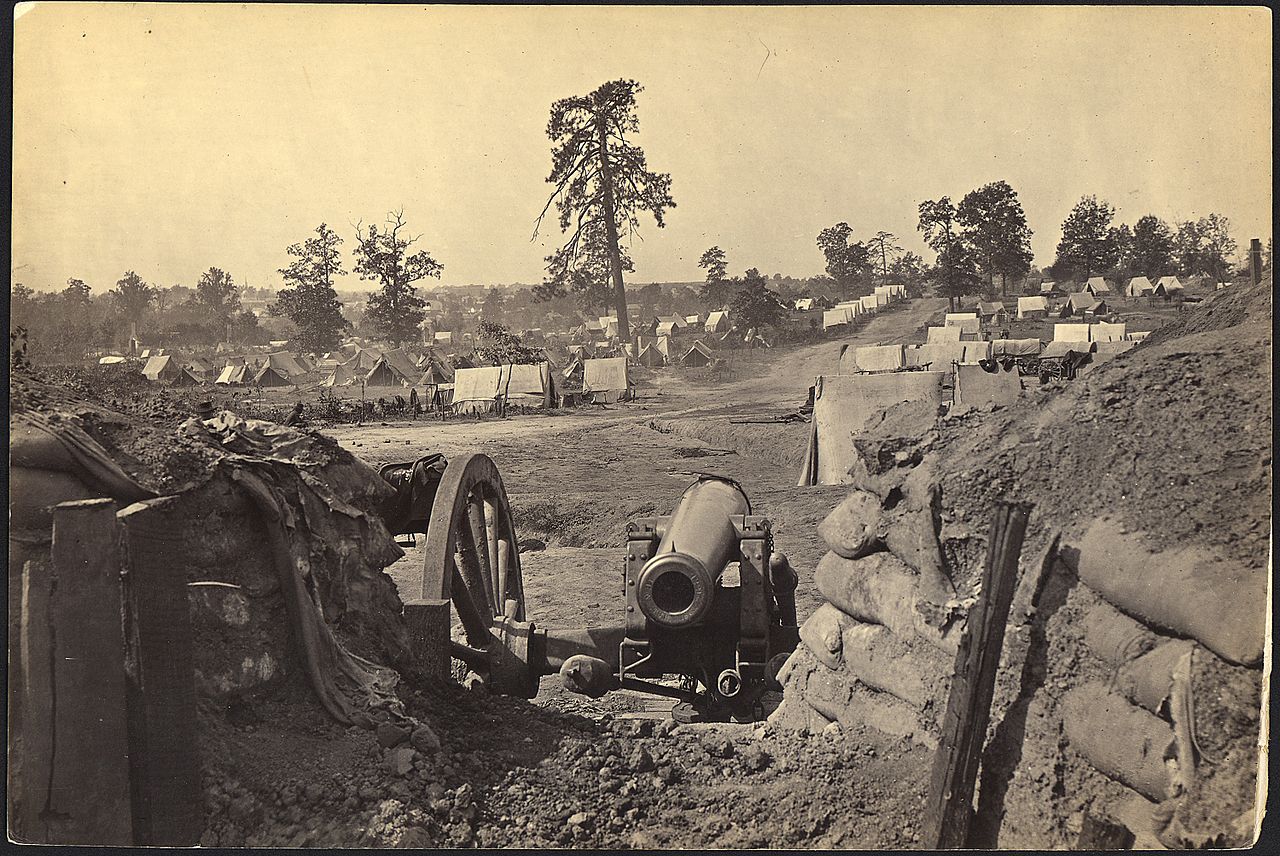
The Battle of Atlanta took place on 22 July 1864 and was one of the pivotal clashes in the American Civil War. It formed a central part of the larger Atlanta Campaign, an extended Union effort to seize the strategic city of Atlanta. The campaign was led by the Union Army commander William Tecumseh Sherman, whose operations combined maneuver, siege tactics and occasional frontal assaults to reduce Confederate resistance.
Image gallery
10 Images




Forces and commanders
On the Union side Sherman directed multiple corps operating against the Confederate Army of Tennessee. Union leadership included corps generals and subordinate commanders working to outflank and pressure the enemy. The Confederates, fighting to protect the city of Atlanta, were commanded in the field by John Bell Hood after a change of command late in the campaign. Atlanta's function as a supply center and railroad hub made it a high-value objective for both sides.
Course of the battle
On 22 July Confederate attacks aimed to strike Union positions and disrupt Sherman's converging forces. The fighting involved assaults on fortified lines, mobile counterattacks and close-quarters combat. The engagement was marked by significant leadership losses on both sides and resulted in heavy casualties among engaged units. The tactical outcome favored Union defenses but the campaign would continue as both armies adjusted positions around Atlanta.
Aftermath and significance
The battle did not immediately end Confederate control of the city, but it weakened defensive capability and set conditions that contributed to Atlanta's fall a few weeks later. The capture of Atlanta had military and political consequences: it deprived the Confederacy of a key logistical center and strengthened Northern public confidence. Historians note the operation's role in the sequence of events that led toward the Confederacy's collapse and in bolstering support for the Union cause during the 1864 presidential election.
Key points and notable facts
- The action was one episode within the broader Atlanta Campaign and linked to subsequent operations, including the famous March to the Sea.
- The battle highlighted the importance of rail and supply networks; Atlanta functioned as a major supply center and railroad hub for the Confederate States.
- Union strategic intent under Sherman was to apply continuous operational pressure, forcing Confederate reactions and territorial losses.
- Contemporary and later accounts of the battle appear in studies and primary sources linked through military archives and collections; see guides and repositories for further reading on commanders, unit actions, and battlefield preservation (Union Army records, command reports).
Together, these elements make the Battle of Atlanta a clear example of how operational strategy, logistics and political context intersected in the final year of the Civil War.
Questions and answers
Q: What was the Battle of Atlanta?
A: The Battle of Atlanta was a major battle of the American Civil War that took place on 22 July 1864.
Q: Who directed the Atlanta Campaign during the war?
A: Union Army general William Tecumseh Sherman directed the Atlanta Campaign during the war.
Q: What was the significance of the city of Atlanta during the Civil War?
A: The city of Atlanta was a major supply center, railroad hub, and symbol of the Confederate States of America during the Civil War.
Q: What was the end result of the Battle of Atlanta?
A: The loss of the city of Atlanta proved to be a major blow to the Confederacy and eventually led to the end of the Civil war.
Q: When did the Battle of Atlanta take place?
A: The Battle of Atlanta took place on 22 July 1864.
Q: Who won the Battle of Atlanta?
A: The Union Army, led by general William Tecumseh Sherman, won the Battle of Atlanta.
Q: What was the significance of the Battle of Atlanta in the Civil War?
A: The Battle of Atlanta is significant because it was a major turning point in the American Civil War and led to the eventual collapse of the Confederate States of America.
Tags
Related articles
Author
AlegsaOnline.com Battle of Atlanta (22 July 1864) Leandro Alegsa
URL: https://en.alegsaonline.com/art/9434
Sources
- civilwar.org : "Evidence for The Unpopular Mr. Lincoln"
- civilwar.org : "The Atlanta Campaign; A Strategic Overview"