
Battle of Shiloh (April 6–7, 1862): Overview and Significance
Two-day April 1862 Civil War battle in southwestern Tennessee; a surprise Confederate attack resulted in heavy casualties before Union reinforcements reversed the fighting.
The Battle of Shiloh was fought on April 6–7, 1862, near Pittsburg Landing in southwestern Tennessee. It was one of the earliest large-scale engagements in the Western Theater of the American Civil War, and it shocked contemporaries with the scale of death and wounding sustained by both sides.
Image gallery
10 Images


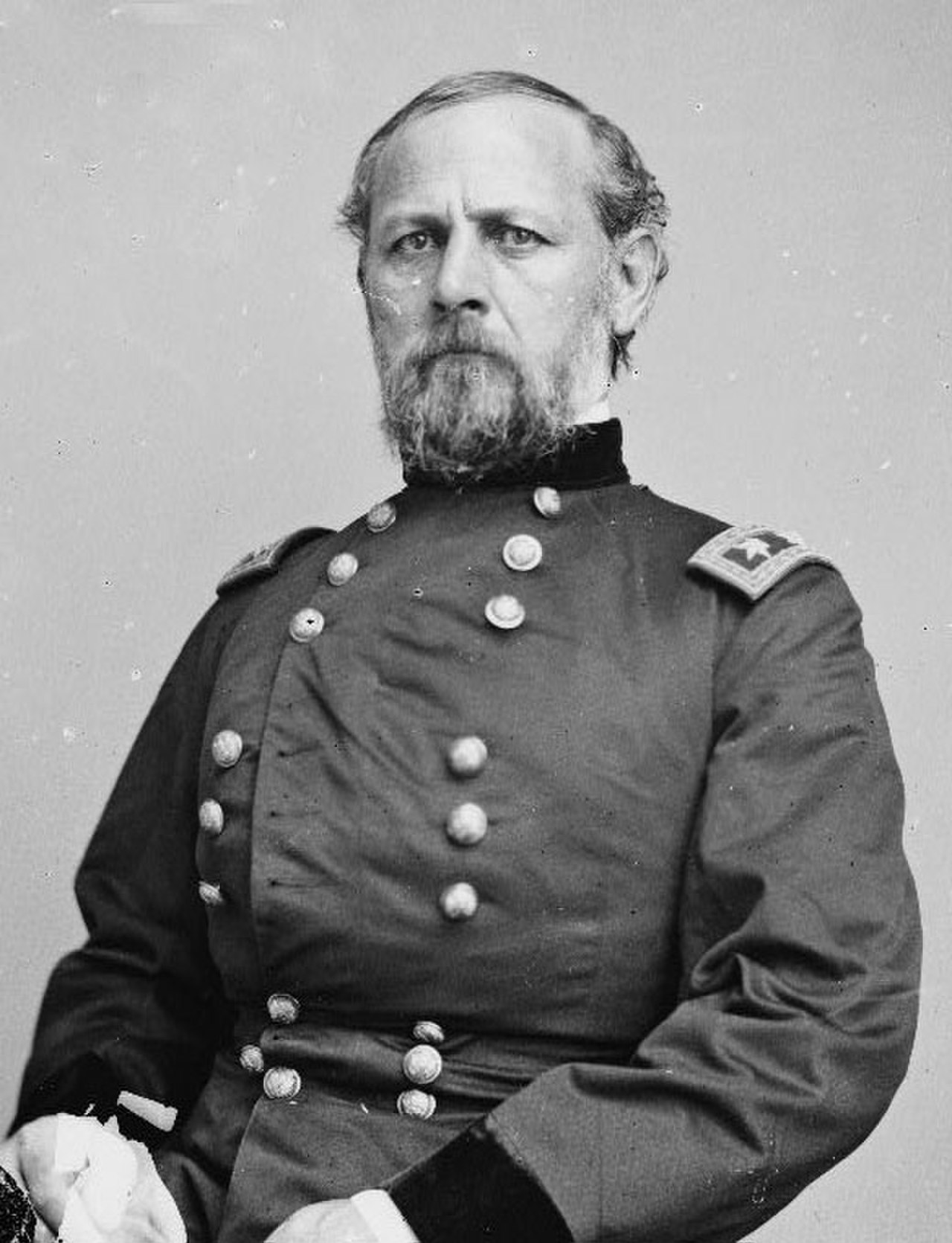


Overview
The battle began when Confederate forces launched a surprise attack on Union encampments along the Tennessee River. The initial Confederate assault drove back Union troops on the first day. Overnight movements and the arrival of fresh Union forces on the second day altered the situation, enabling Union commanders to counterattack and force the Confederates to withdraw from the field.
Commanders and battlefield events
- Union: Major General Ulysses S. Grant, with notable division commanders such as William T. Sherman; reinforcements under Don Carlos Buell arrived from nearby areas.
- Confederate: Generals Albert Sidney Johnston (who was mortally wounded during the fighting) and P. G. T. Beauregard led the Southern forces attempting to drive the Federals away from the river.
The fighting occurred around landmarks such as Shiloh Church and a network of fields and woods. Confederate attacks on the first morning achieved significant surprise, but disorganization, casualties among senior leaders, and the failure to exploit early gains limited their success.
Aftermath and importance
Casualties were very high for the time; historians typically estimate total killed, wounded, and missing at roughly 23,000 combined, although counts vary by source. The battle demonstrated that the conflict would be longer and more costly than many civilians and politicians had expected. Militarily, the Union retained control of Pittsburg Landing and soon advanced toward Corinth, Mississippi, a critical rail junction.
Shiloh had lasting effects on public perception, military leadership, and strategy. It elevated the national profile of commanders who emerged from the campaign and prompted criticism and political debate over preparedness and command decisions. The engagement is remembered as a turning point in appreciation of the war's scale and brutality.
For further reading on troop movements, maps, and primary accounts, consult specialist histories and collections of contemporary reports and letters that examine the two days of combat in detail.
Tags
Related articles
Author
AlegsaOnline.com Battle of Shiloh (April 6–7, 1862): Overview and Significance Leandro Alegsa
URL: https://en.alegsaonline.com/art/9550