
Kit Carson: American frontiersman, guide, Indian agent, and soldier
Biographical overview of Christopher 'Kit' Carson, his roles as mountain man, guide for John C. Frémont, Indian agent and Union officer, and the legacy and controversy surrounding his actions in the American West.
Overview
Christopher Houston "Kit" Carson (1809–1868) was a prominent figure of the 19th‑century American West whose life combined exploration, frontier work and military service. He is widely remembered as a mountain man and guide who helped open western territory to Euro‑American settlement, later serving as an Indian agent and as an officer for the United States during the Civil War era. Carson became a household name in his lifetime through expedition reports and popular fiction; in later years his part in campaigns against Native American communities has also made him a focus of critical reassessment.
Image gallery
10 Images


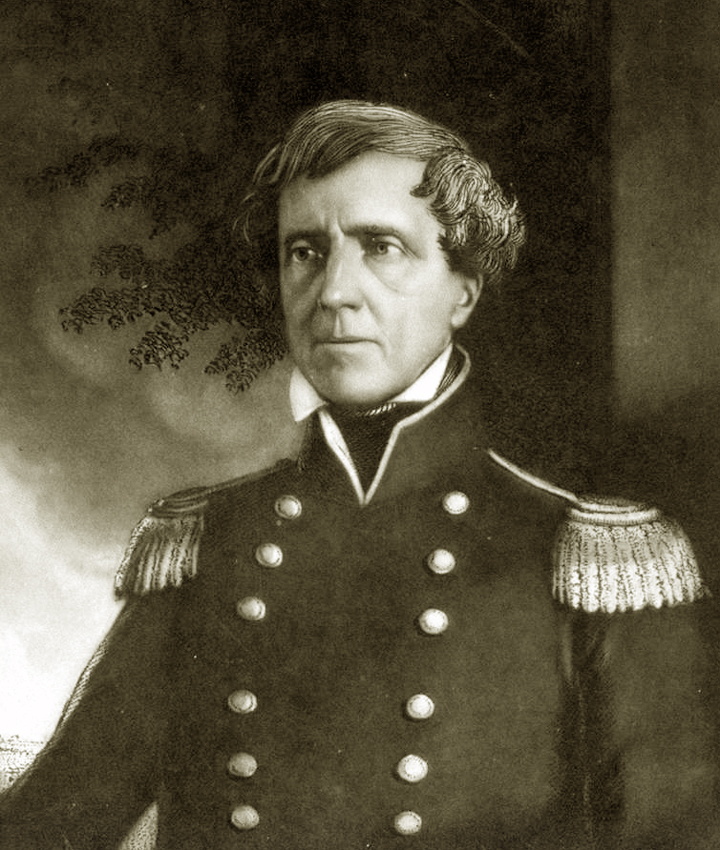
Major roles and characteristics
Carson's career spanned several distinct occupations. He is most often identified with the following roles:
- Mountain man and trapper: In the 1830s and early 1840s he worked in the Rocky Mountains as a fur trapper during the peak and then the decline of the beaver trade.
- Guide and explorer: He served as a guide on western exploration parties, most notably those led by John C. Frémont, helping to map and describe large parts of the interior West.
- Indian agent: Carson held an official post charged with managing relationships and supplies for tribes in New Mexico and the surrounding region.
- U.S. Army officer: During the Civil War and the conflicts that followed, he commanded volunteer units and engaged in campaigns against Confederate forces and in military operations involving Native American tribes.
Early life, trapping, and guiding
Born in Kentucky and raised in the frontier environment of Missouri, Carson reached adulthood as the trans‑Mississippi West was still little known to eastern Americans. He spent about a decade as a trapper and mountain man, learning survival skills, frontier diplomacy, and local Indigenous languages and customs. As the commercial fur trade waned in the 1840s he transitioned to guiding. His work with John C. Frémont on exploratory expeditions brought his name to national attention: Frémont's published reports praised the accuracy and completeness of their surveying and narrative material and helped create the image of Carson as an expert pathfinder. Those same expeditions contributed to popular interest in westward migration and to the cartographic knowledge of the region.
Indian agency, military service, and campaigns
In the 1850s Carson held a federal post as an Indian agent in what is now northern New Mexico, a position intended to manage relations with the Ute, Apache and other nations and to distribute supplies. When the Civil War reached the Southwest he resigned that post and joined Union forces, leading New Mexico volunteer units and taking part in regional engagements. Later in his career he led U.S. Army operations against Apache and Navajo groups. Some of these campaigns culminated in forced removals and relocations of Native peoples to reservations, events that caused great suffering and remain a central part of assessments of his legacy.
Later years, death, and burial
Carson continued to serve in the Army and in frontier postings and received promotions during his service. Late in life he suffered from declining health and left active duty; he died in Colorado in 1868 and was interred in Taos, New Mexico, where he lies beside his wife Josefa Jaramillo. His name remained well known after his death through biographies, frontier tales and inexpensive popular literature that romanticized western adventure.
Legacy and controversy
Carson's public image has varied across generations. In the 19th century many Americans celebrated him as a rugged guide and heroic explorer whose activities helped open the West. Popular media—newspaper accounts, illustrated reports and dime novels—amplified that reputation. In later decades historians and Native American scholars have emphasized the harsher consequences of U.S. expansion and of military campaigns in which Carson participated. Critical attention focuses on forced relocations, the violence of frontier conflicts and the displacement of Indigenous communities. Modern discussion often frames Carson as both an influential figure in western history and as a participant in policies and actions that caused deep and lasting harm.
Further reading and external resources
- Biographical overview and timeline
- Accounts of mountain men and trapping
- Guide work and expedition narratives
- Contemporary press coverage
- Folk hero portrayals and dime novels
- Trapping techniques and trade context
- Fur trade species and ecology
- Economic history of the fur trade
- Frontier violence and conflict studies
- Frémont expeditions and maps
- New Mexico territorial history
- Civil War in the Southwest
- Union volunteer regiments in New Mexico
- Confederate campaigns in the West
- Military actions against Southwestern tribes
- Promotions and military ranks
- Later service and official commendations
- Sites associated with Carson (forts, gravesite)
Questions and answers
Q: Who was Christopher Houston "Kit" Carson?
A: Christopher Houston "Kit" Carson was an American frontiersman who had four chief occupations: mountain man, guide, Indian agent, and officer in the US Army. He helped to open the American West to settlement.
Q: What did Kit Carson do for a living?
A: Kit Carson worked as a mountain man trapping beaver for the fur trade. He also worked as a guide for US Army Officer John Charles Frémont on three separate expeditions into the West. Later he became an Indian agent in northern New Mexico and eventually joined the Union Army during the Civil War where he served as lieutenant leading the New Mexico Volunteer Infantry and was promoted to colonel and brigadier general.
Q: How did Kit Carson become famous?
A: Kit Carson became famous through novels, newspaper accounts, and other media that told stories of his adventures which were turned into paper-covered books called dime novels which made him even more popular throughout America.
Q: What happened after the fur trade died out in 1840s?
A: After the fur trade died out in 1840s, Kit Carson looked for other work which led him to becoming a guide for US Army Officer John Charles Frémont on three separate expeditions into the West which were hugely successful and made him a frontier hero with his reports being read by many Americans.
Q: What job did Kit Carson have when he joined the Union Army during Civil War?
A: When he joined Union Army during Civil War, Kit Carson served as lieutenant leading the New Mexico Volunteer Infantry and was later promoted to colonel and brigadier general.
Q: How did Native Americans view Kit Carson?
A: Native Americans viewed Kit Carson negatively due to his reputation as an “Injun killer” - someone forced to kill many Native Americans to protect himself from attack, theft or murder - though he saw them treated with honesty and fairness when working as an Indian Agent in Northern New Mexico.
Q: Where is Christopher Houston "Kit"Carson buried?
A: Christopher Houston "Kit"Carson is buried in Taos, New Mexico next to his third wife Josefa Jaramillo
Related articles
Author
AlegsaOnline.com Kit Carson: American frontiersman, guide, Indian agent, and soldier Leandro Alegsa
URL: https://en.alegsaonline.com/art/123785
Sources
- coresuttersfort.weebly.com : A Brief History of the Bear Flag Revolt
- biography.com : Kit Carson Biography
- historynet.com : "Kit Carson: the legendary frontiersman remains an American hero"