
Battle of Malvern Hill (July 1, 1862)
Final engagement of the Seven Days Battles near Richmond on July 1, 1862. Union artillery repulsed repeated Confederate attacks, shaping the end of the Peninsula Campaign.
Overview
The Battle of Malvern Hill was fought on July 1, 1862, near Richmond, Virginia, and is commonly regarded as the concluding action of the Seven Days Battles during the American Civil War. Union forces occupied a strong position on a high ridge and used concentrated artillery fire to repel a series of daytime Confederate assaults. Though tactically successful for the Union, the encounter occurred amid a broader strategic withdrawal from the Peninsula Campaign.
Image gallery
10 Images


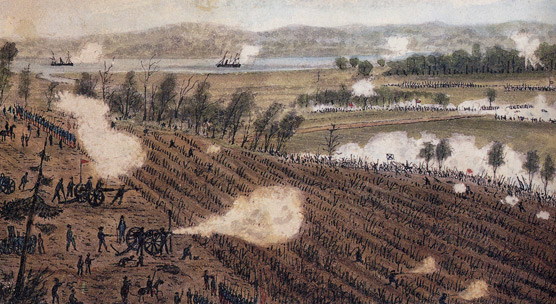


Terrain and tactics
Malvern Hill is a rocky, elevated ridge overlooking open fields and the Chickahominy River approaches. The ground favored defensive artillery: Union batteries were arrayed along the crest with clear fields of fire. Confederate commanders sought to close and break the line with infantry attacks, but coordination problems, obscured approaches, and the effective Union cannon fire blunted those efforts.
Course of the battle
On the morning and afternoon of July 1, Confederate forces launched several assaults against the Union positions. Well-sited artillery and infantry formations on the hill inflicted heavy losses on the attackers and prevented a successful assault on the crest. The fighting ended without the Confederates taking the position, and the Union army subsequently withdrew to stronger lines closer to the James River as part of the larger campaign movement.
Aftermath and significance
Malvern Hill is often described as a tactical victory for the Union because its guns held the field, but it did not reverse the strategic situation: the Peninsula Campaign was effectively concluded by the Union withdrawal from near Richmond. The battle highlighted the decisive role of artillery under favorable terrain and exposed challenges in Confederate assault coordination during close operations.
Key participants and notable facts
- Principal armies: Union Army of the Potomac and Confederate Army of Northern Virginia.
- Senior commanders: the engagement involved leaders of both campaigns, including corps and division commanders under Maj. Gen. George B. McClellan and Gen. Robert E. Lee.
- Tactical lesson: demonstrated how well-defended artillery positions on high ground could dominate open approaches.
- Context: the battle closed the Seven Days Battles and influenced subsequent troop movements in the Eastern Theater of the war.
For broader context on the campaign and its place in the war, see American Civil War.
Tags
Related articles
Author
AlegsaOnline.com Battle of Malvern Hill (July 1, 1862) Leandro Alegsa
URL: https://en.alegsaonline.com/art/9506