
Supermarine Spitfire: British World War II Fighter Aircraft
The Supermarine Spitfire was a British single-seat fighter that became iconic in WWII for its elliptical wing, high performance, many variants, and key role in the Battle of Britain.
Overview
The Supermarine Spitfire is a British single-seat fighter that served with the Royal Air Force and numerous Allied air arms during the Second World War. Conceived in the 1930s to meet the need for a high-speed interceptor, the Spitfire became widely recognised for its graceful lines and combat effectiveness, particularly while contesting control of the English Channel and skies over Britain against the Luftwaffe during the Battle of Britain. Designed by R. J. Mitchell, the airframe underwent continuous development, producing a family of variants that remained in production throughout the war.
Image gallery
10 Images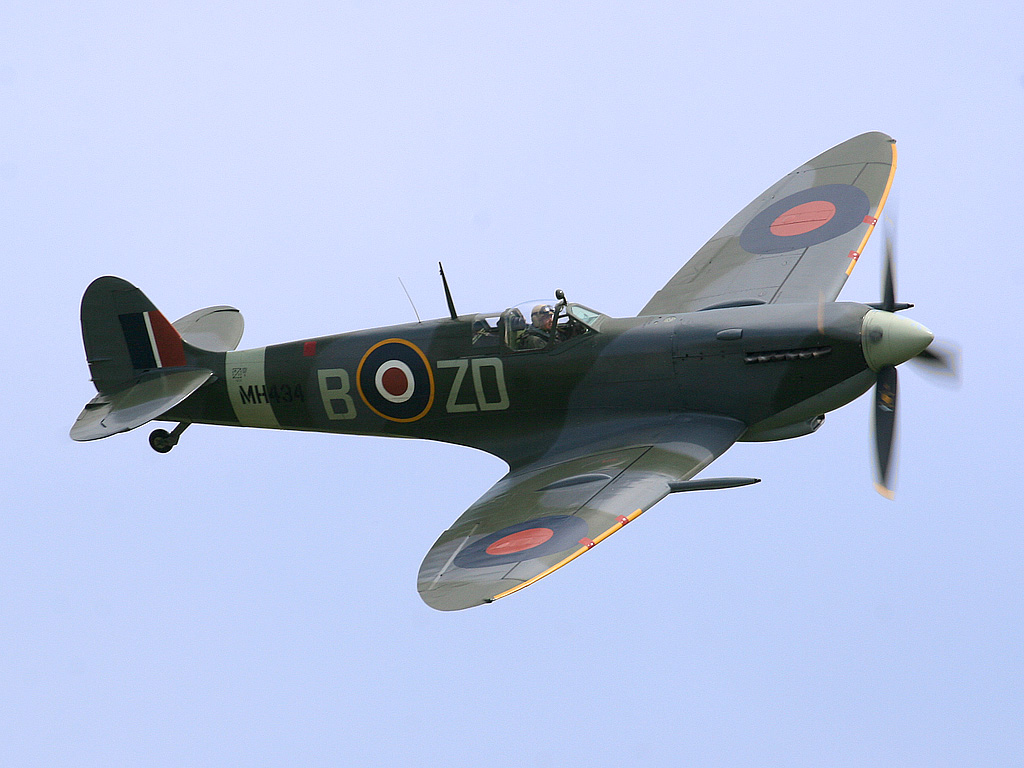


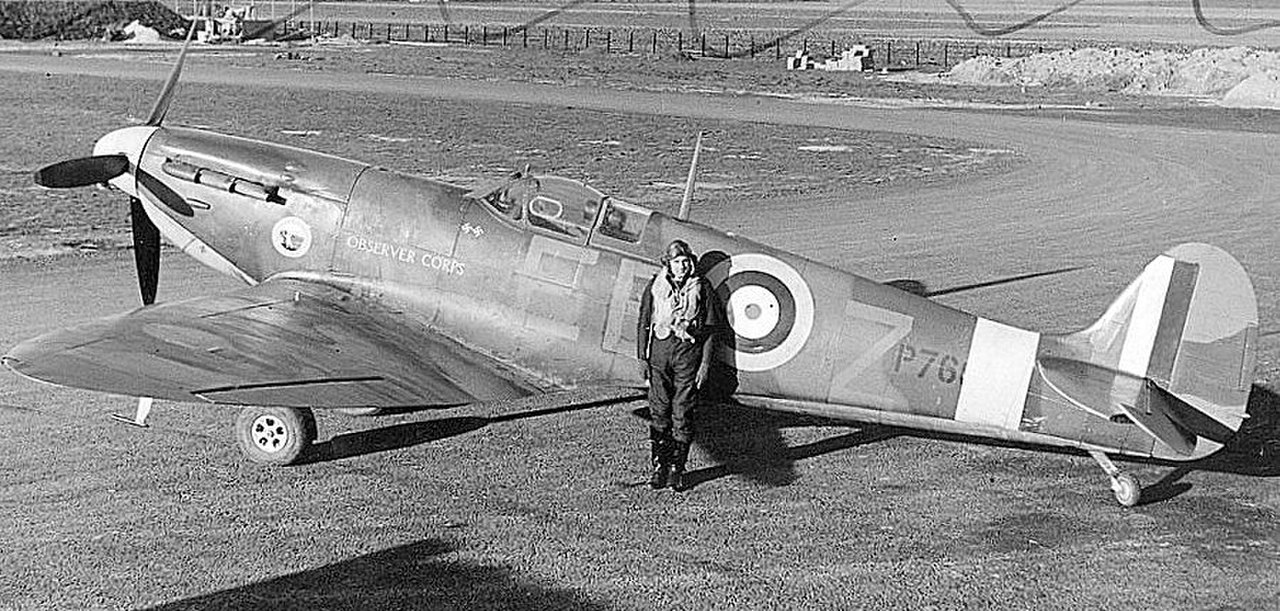


Design and key characteristics
The Spitfire's most distinctive feature was its thin, elliptical wing which combined aerodynamic efficiency with sufficient internal space for fuel and armament. The wing planform reduced induced drag and contributed to higher top speeds and better turning behaviour than many contemporaries, including the Hawker Hurricane. Early types were powered by the Rolls-Royce Merlin engine (and later versions by the larger Griffon), delivering the high power-to-weight ratio that made the type competitive throughout the war.
- Airframe: streamlined fuselage with a low-drag profile.
- Wing: thin, elliptical planform for efficient lift and manoeuvre.
- Powerplant: initially the Rolls-Royce Merlin series; later Griffon variants expanded performance.
- Armament: fitted in different patterns of machine guns and cannons according to role.
Development and production
The Spitfire was developed by Supermarine and its designer R. J. Mitchell as a fast, short-range interceptor. Production began at the Supermarine works in Southampton, but wartime bombing and the scale of demand prompted expansion and dispersal of manufacture. Significant production moved to the large assembly plant at Castle Bromwich in Birmingham, which became a principal Spitfire factory. The aircraft was produced in greater numbers than any other British fighter and underwent many incremental changes, giving rise to several marks optimised for roles such as air superiority, long-range escort, and reconnaissance.
Operational history and roles
From fleet defence over Britain to operations in Europe, the Mediterranean and beyond, the Spitfire served in multiple theatres. It earned particular renown during the Battle of Britain where its combination of speed, climb rate and manoeuvrability helped pilots intercept enemy bombers and fighters. Units flying Spitfires often reported favourable combat results, and the type was adapted into specialised versions, including photo-reconnaissance machines and the navalised Seafire. The aircraft's ability to accept progressively more powerful engines extended its frontline usefulness as enemy aircraft evolved.
Legacy and notable facts
The Spitfire remains one of the best-known symbols of British resistance during the war and a frequently preserved and flown classic in later decades. Production and wartime activity are commemorated in several places: a workers' memorial titled Sentinel in Birmingham honours those who built aircraft at Castle Bromwich, and other monuments note the role of the Supermarine works and their wartime dispersal. The Spitfire story intersects technical innovation, industrial effort and popular memory, securing it a prominent place in aviation history.
Further reading and archival material are extensive; for concise references see a general technical summary of the type and discussions of individual campaigns where it featured prominently (memorial and factory histories), the designer's biography, and comparative analyses of contemporary fighters. For more on specific aspects: engine development and maintenance, armament changes, and production logistics are informative entry points into the broader story of the Spitfire and its service in wartime aviation.
Related topics and sources include background on the speed and role of fighters (interceptors and escorts), the opposing forces that shaped air combat tactics, and the importance of manufacturing hubs in sustaining aircraft output during sustained conflict. See entries on the bomber threat that helped define defensive requirements, accounts of the Battle of Britain, technical notes on the Merlin engine, and summaries of the Spitfire's comparative performance with aircraft like the Hurricane. Industrial and local histories reference Southampton and Castle Bromwich, while discussions of the Luftwaffe and Allied forces provide operational context (Luftwaffe, Allied). Lastly, see brief biographies of the designer and commemorative works for cultural background (single-seat fighter, RAF, English Channel, memorial).
Related articles
Author
AlegsaOnline.com Supermarine Spitfire: British World War II Fighter Aircraft Leandro Alegsa
URL: https://en.alegsaonline.com/art/95066
Sources
- grc.nasa.gov : "The drag coefficient"