
Birmingham: overview, history, economy, culture and notable features
Birmingham is a major city and metropolitan borough in the West Midlands of England, known for its industrial heritage, cultural institutions, canals, universities, and diverse population.

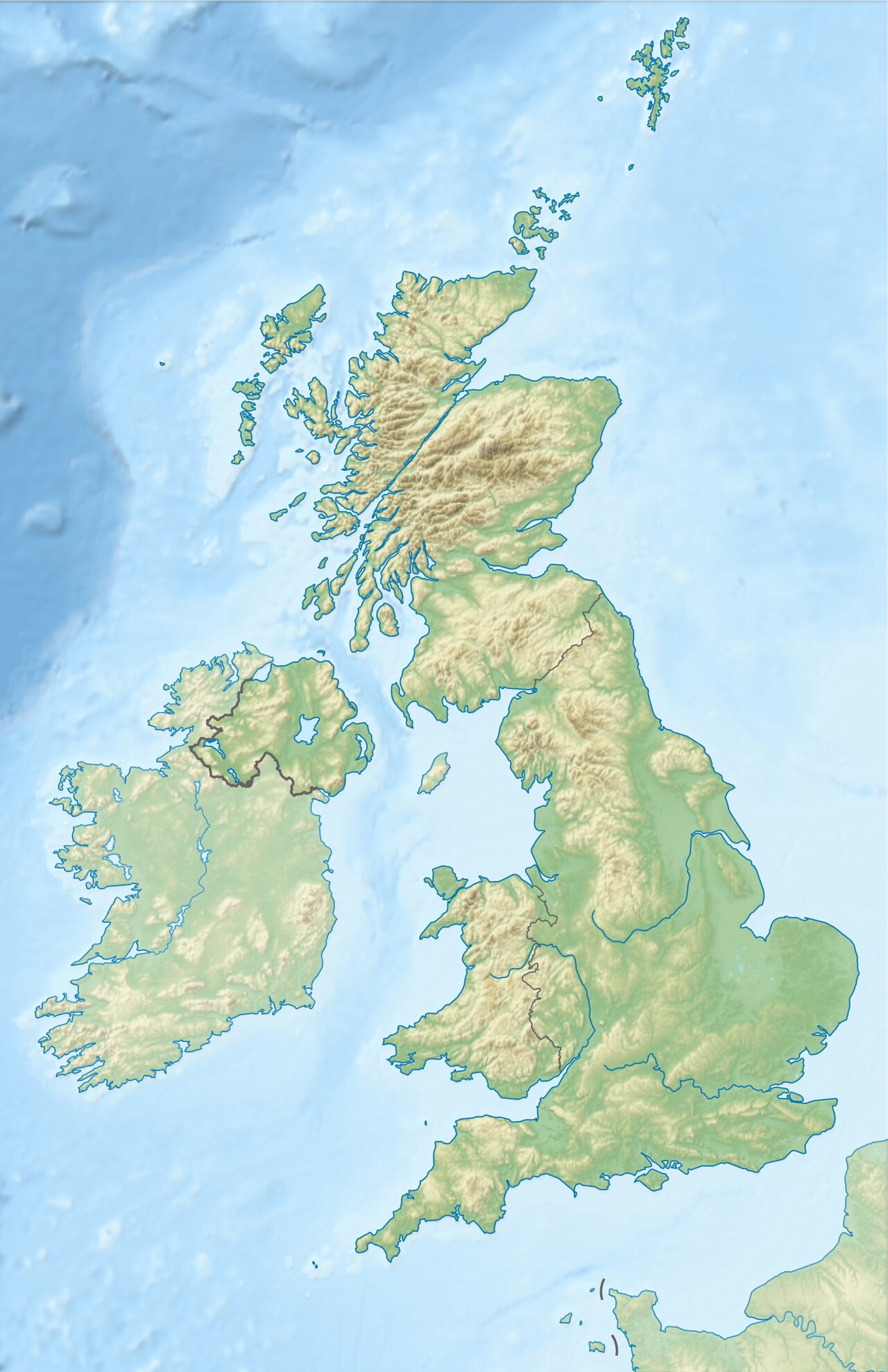
Overview — Birmingham is a city and metropolitan borough in the West Midlands region of England. It is commonly regarded as the second city of the United Kingdom and forms a large metropolitan area. Contemporary estimates place the city's population at around 1.1 million, with some 4 million-plus in the wider metropolitan zone. Birmingham is notable for its mix of commercial districts, cultural venues, and extensive canal network.
Image gallery
10 Images



History and development
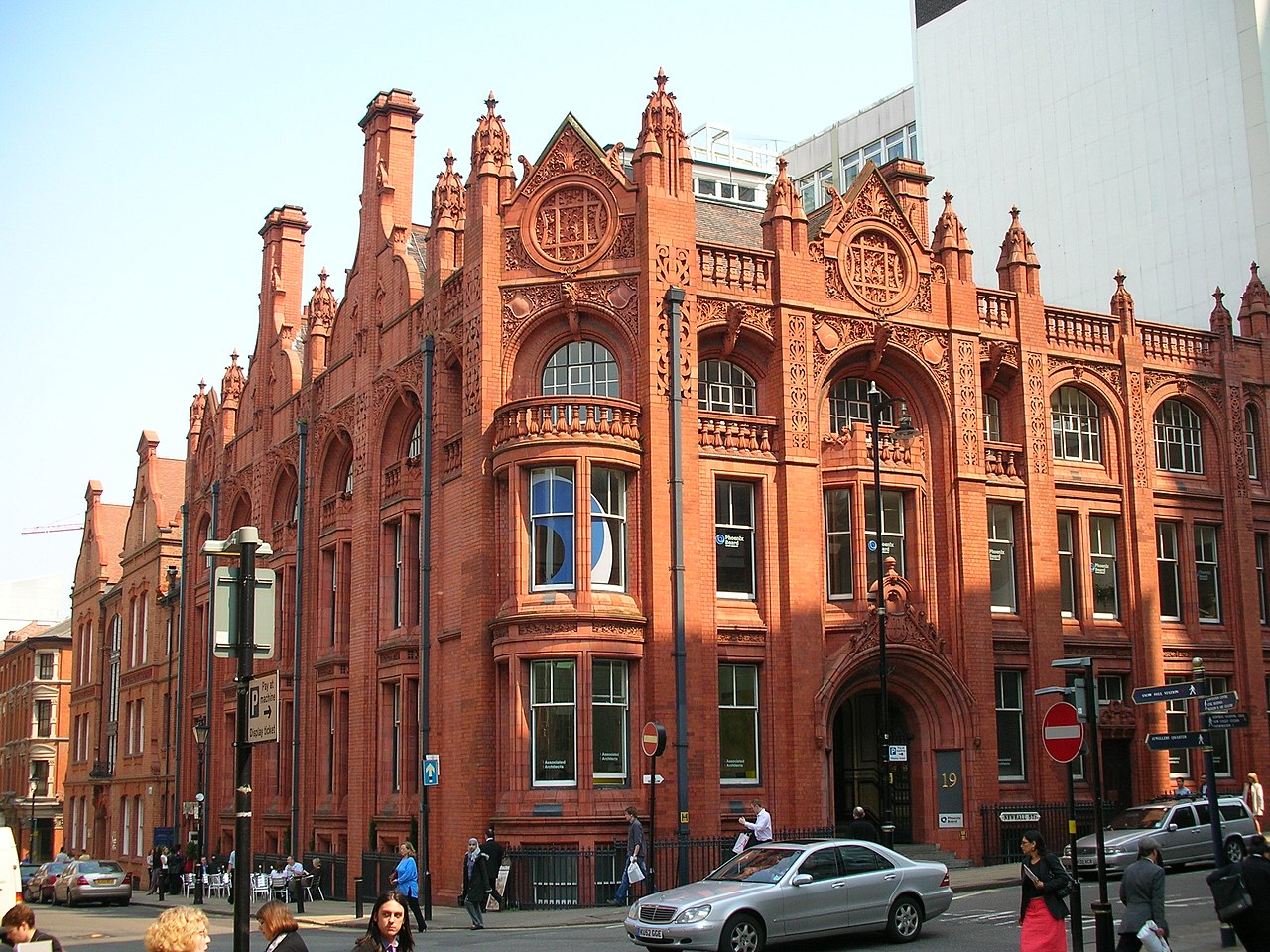
Birmingham's growth accelerated during the Industrial Revolution from the 18th century onward. Small metalworking and craft industries expanded into large-scale manufacturing, especially in metal goods, brass, and later engineering. That industrial past shaped the city's dense pattern of workshops, canals and transport links. Post-war rebuilding and late-20th-century regeneration have created a layered urban fabric combining Victorian factories, modern civic buildings and contemporary shopping and office developments.
Economy and transport
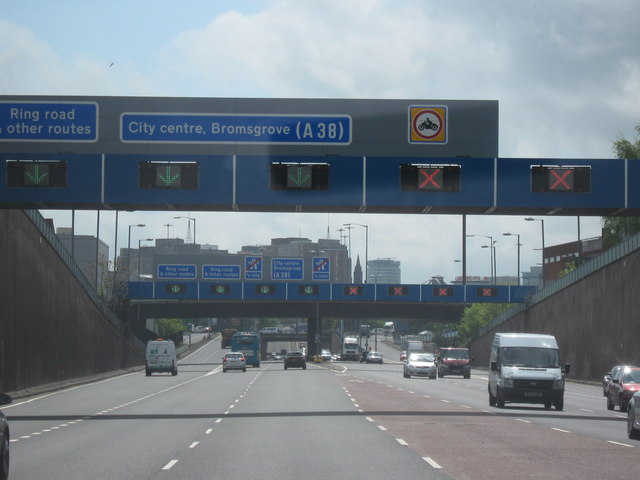
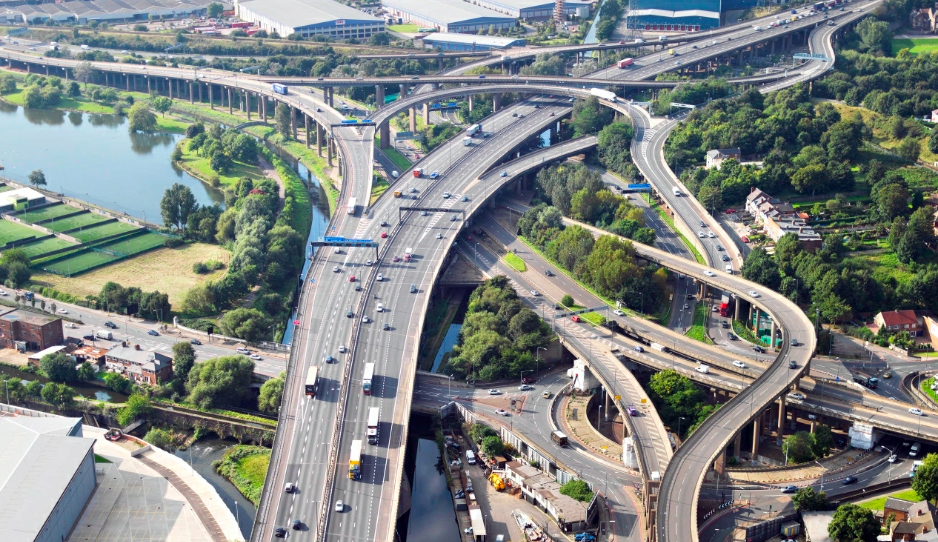
The city's economy is diverse, with strengths in manufacturing, professional services, finance, and digital technologies. Historically a centre for metalwork and jewelry, Birmingham now hosts corporate offices, regional banks, research institutions and creative industries. Transport connections include a major motorway network, extensive rail services, and an international airport serving domestic and European routes. Canals once used for freight are now a distinctive leisure and public-space asset.
Culture, landmarks and institutions
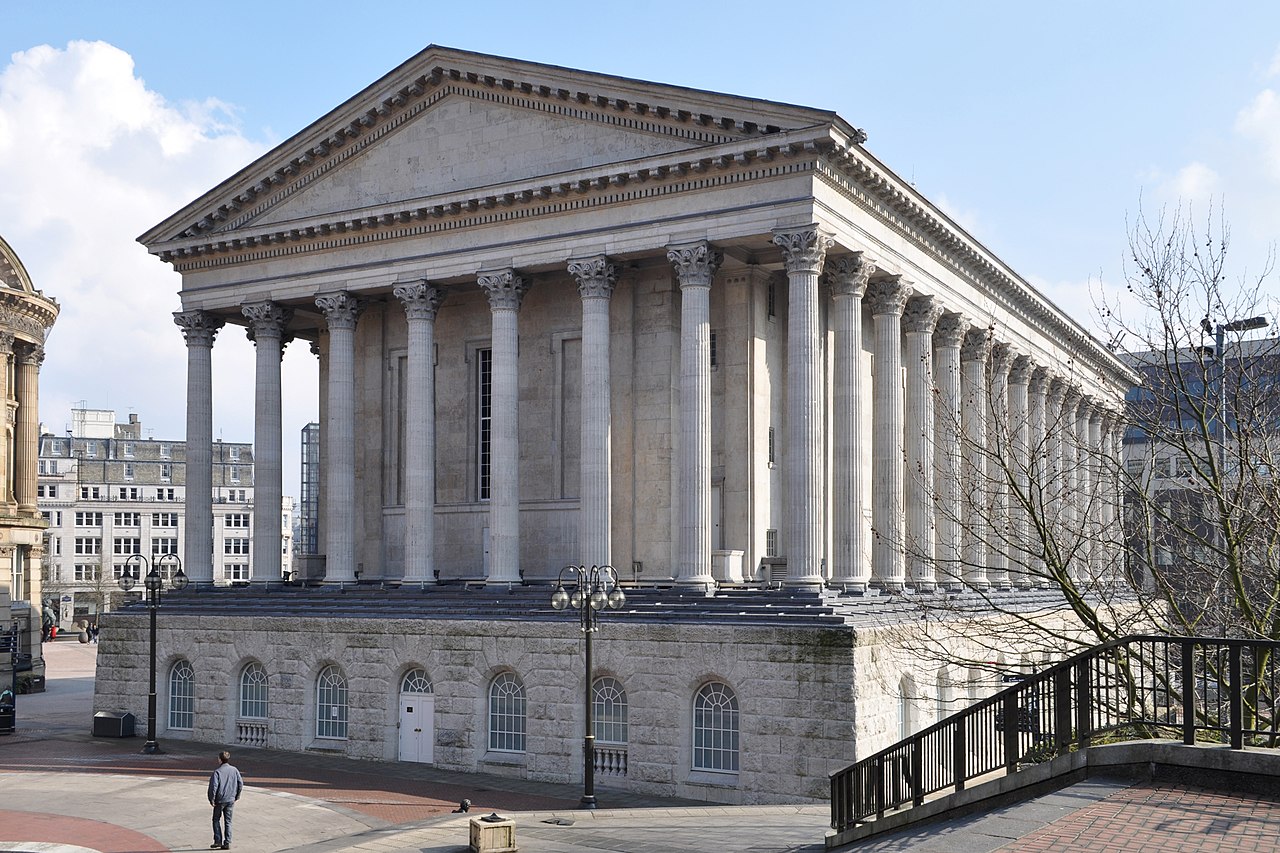
Birmingham has a lively cultural scene with museums, galleries, theatres and music venues. Notable institutions and places include:
- Birmingham Museum & Art Gallery and other civic collections
- The Bullring shopping complex and historic Jewellery Quarter
- Library of Birmingham and several contemporary performing-arts venues
- Regenerated canal-side districts used for dining and festivals
Education, sport and identity
The city is home to universities and colleges that contribute to research and the student population. Birmingham has prominent professional football clubs and sporting traditions that play a large role in local identity. Its population is ethnically and culturally diverse; this diversity is reflected in festivals, cuisine and community life across neighborhoods.
Distinctive facts
Visitors often remark on Birmingham's canals—more extensive than Venice's by length—and the strong legacy of manufacturing and innovation. Ongoing urban renewal programmes aim to balance historic conservation with new development, positioning Birmingham as a regional hub for commerce, culture and higher education.
More about the city | Metropolitan borough details | West Midlands region | England overview | Metropolitan area | United Kingdom context
Related articles
Author
AlegsaOnline.com Birmingham: overview, history, economy, culture and notable features Leandro Alegsa
URL: https://en.alegsaonline.com/art/11746
Sources
- ons.gov.uk : "2011 Census: Key Statistics for Local Authorities in England and Wales"
- brookings.edu : "Global city GDP 2014"