
Hawker Hurricane — British World War II fighter
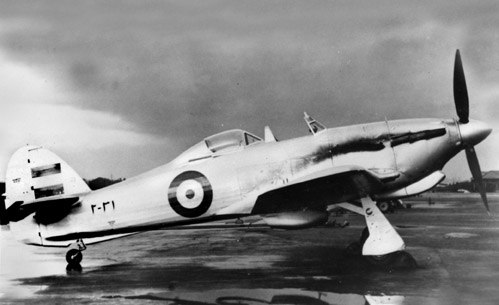
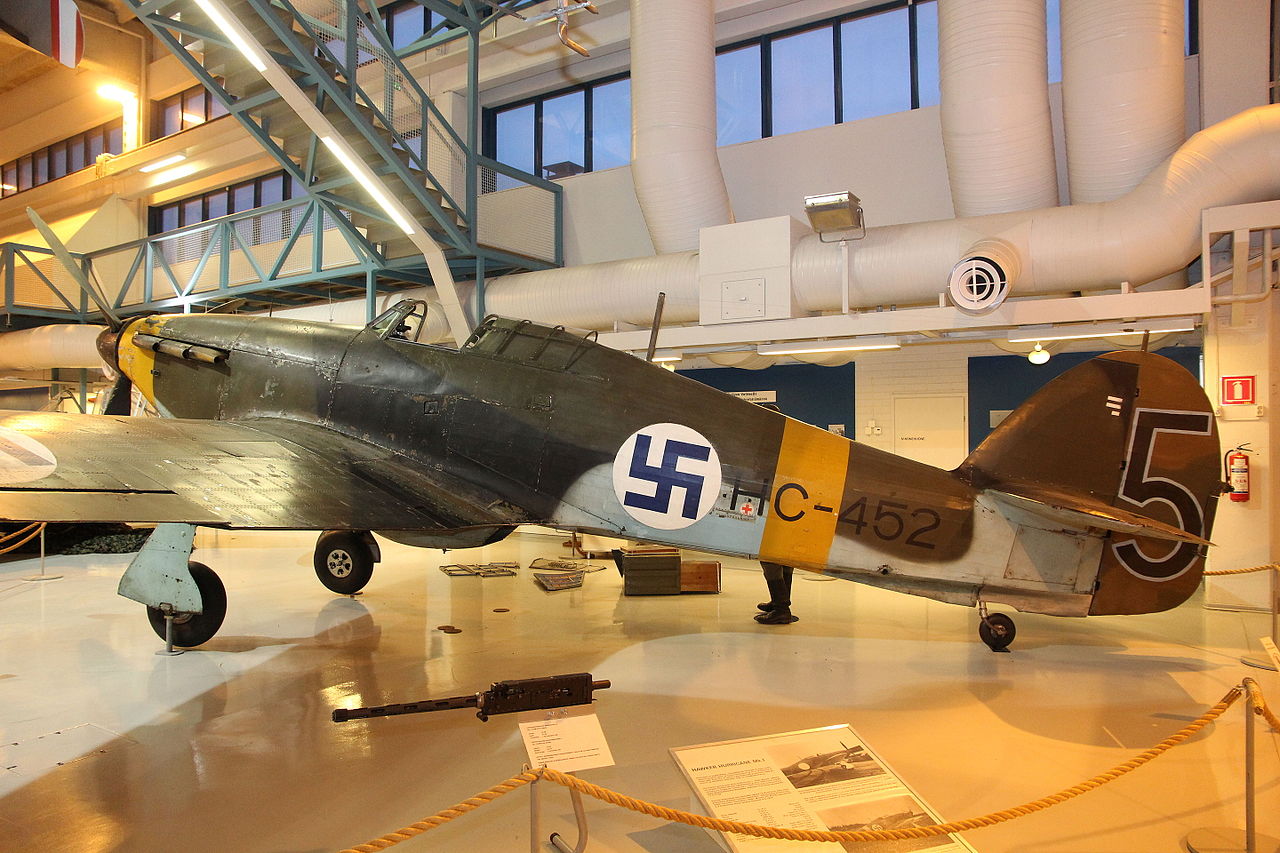
The Hawker Hurricane was the RAF’s primary single-seat fighter in the early years of World War II, valued for its rugged mixed-construction airframe, adaptability and broad service across many theatres.
Overview
The Hawker Hurricane was a British single-seat fighter aircraft that played a central role in the early years of World War II. Designed in the mid-1930s by a team led by Sydney Camm, the type combined proven structural methods with modern monoplane layout and a liquid-cooled engine, making it easier to build and repair than some contemporaries. The Hurricane was the principal front-line fighter of the Royal Air Force during the crucial months of 1940 and was heavily engaged in the Battle of Britain.
Image gallery
10 Images



Design and construction
The Hurricane used a mixed-construction approach: a metal centre section and structure with fabric-covered rear fuselage panels on early marks, evolving to more metal skinning as production progressed. It was powered by the reliable V-type engine that could be improved in later marks to increase performance. Early frontline versions were armed with multiple wing-mounted machine guns and later adapted to carry bombs and rockets for ground-attack roles.
- Structure: pragmatic mix of metal and fabric to permit rapid repair in field conditions.
- Powerplant: progressively upgraded engines allowed continued frontline use as requirements changed.
- Armament: wing-mounted guns in fighter variants; fighter-bomber versions carried external ordnance.
Development, production and variants
After successful flight trials the Hurricane entered service and was produced in multiple factories across Britain and the Commonwealth. The design spawned numerous variants, including night-fighter, ground-attack and long-range versions. A navalized version named the Sea Hurricane was adapted for operations from escort carriers and catapult-equipped merchant ships and served with the Fleet Air Arm. Other conversions fitted radar, extra armour or specialist equipment for interception and night operations.
Operational history
During 1940 the Hurricane provided a large share of the RAF’s defensive strength and was responsible for a significant portion of enemy aircraft destroyed in the Battle of Britain. While the faster and more manoeuvrable Supermarine Spitfire often received public attention, the Hurricane’s robustness, ease of maintenance and adaptability made it exceptionally effective in a wide range of roles. It served in Europe, North Africa, the Mediterranean and beyond, including service with Allied air forces and deliveries to partners under lend-lease arrangements.
Legacy
Although eventually superseded in front-line fighter duties by newer types, the Hurricane’s contribution to early-war air defence and to a variety of secondary roles left a lasting legacy. It demonstrated the value of practical design choices that prioritised repairability and mass production. Today surviving Hurricanes are preserved in museums and at flying displays, where they continue to illustrate the story of early Second World War air combat and the industrial effort that supported it. Further reading and references can be found via specialist histories and museum collections (technical summaries).
Related articles
Author
AlegsaOnline.com Hawker Hurricane — British World War II fighter Leandro Alegsa
URL: https://en.alegsaonline.com/art/42929
Sources
- ww2db.com : "Hurricane Fighter"
- wikidata.org : wikidata.org/wiki/Q194251
- d-nb.info : 4305277-0
- id.loc.gov : sh85063191