
Memorial: Purpose, Types, History, and Cultural Role
A memorial commemorates people, groups, or events through objects, buildings, gardens, or ceremonies; it preserves memory, fosters mourning, and communicates historical meaning across generations.
Overview
A memorial is an object or arrangement created to preserve a memory of a person, a group, or a significant event. Memorials may be private or public, modest or monumental. For example, statues constitute a widely seen and popular form, but the term also covers plaques, benches, gardens, and entire buildings dedicated to remembrance.
Image gallery
10 Images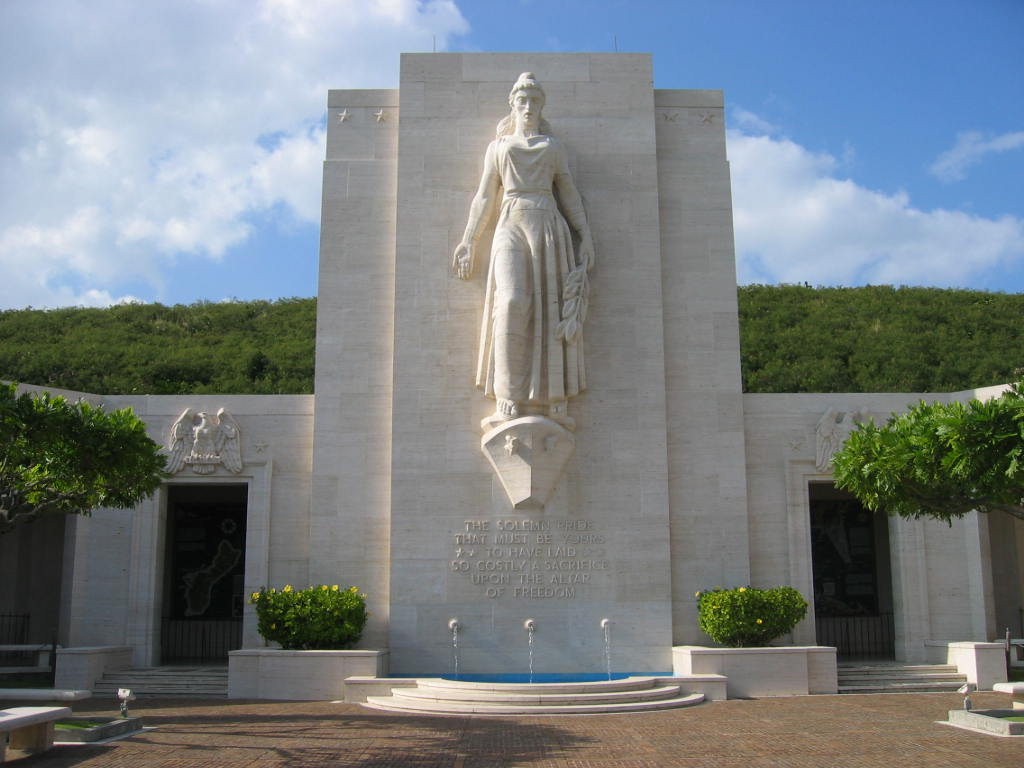


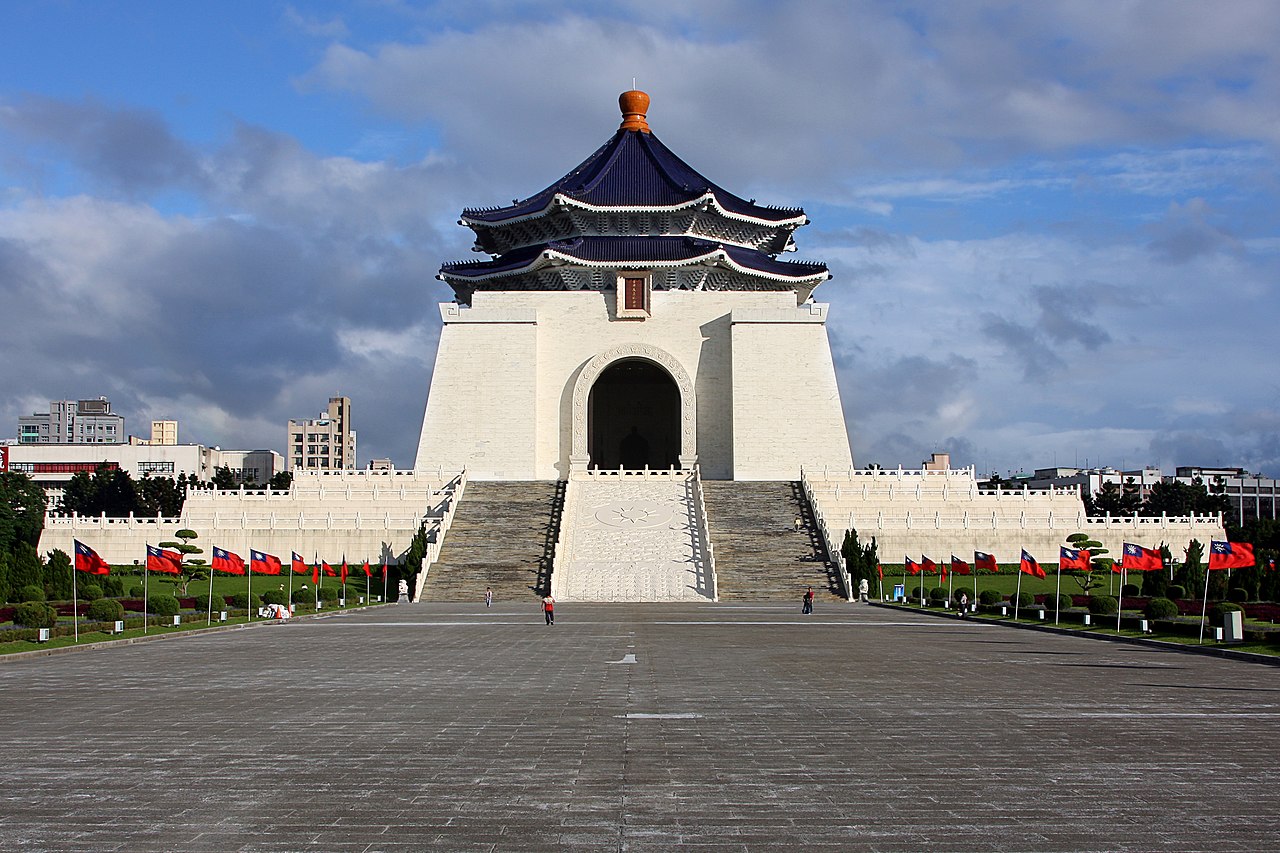

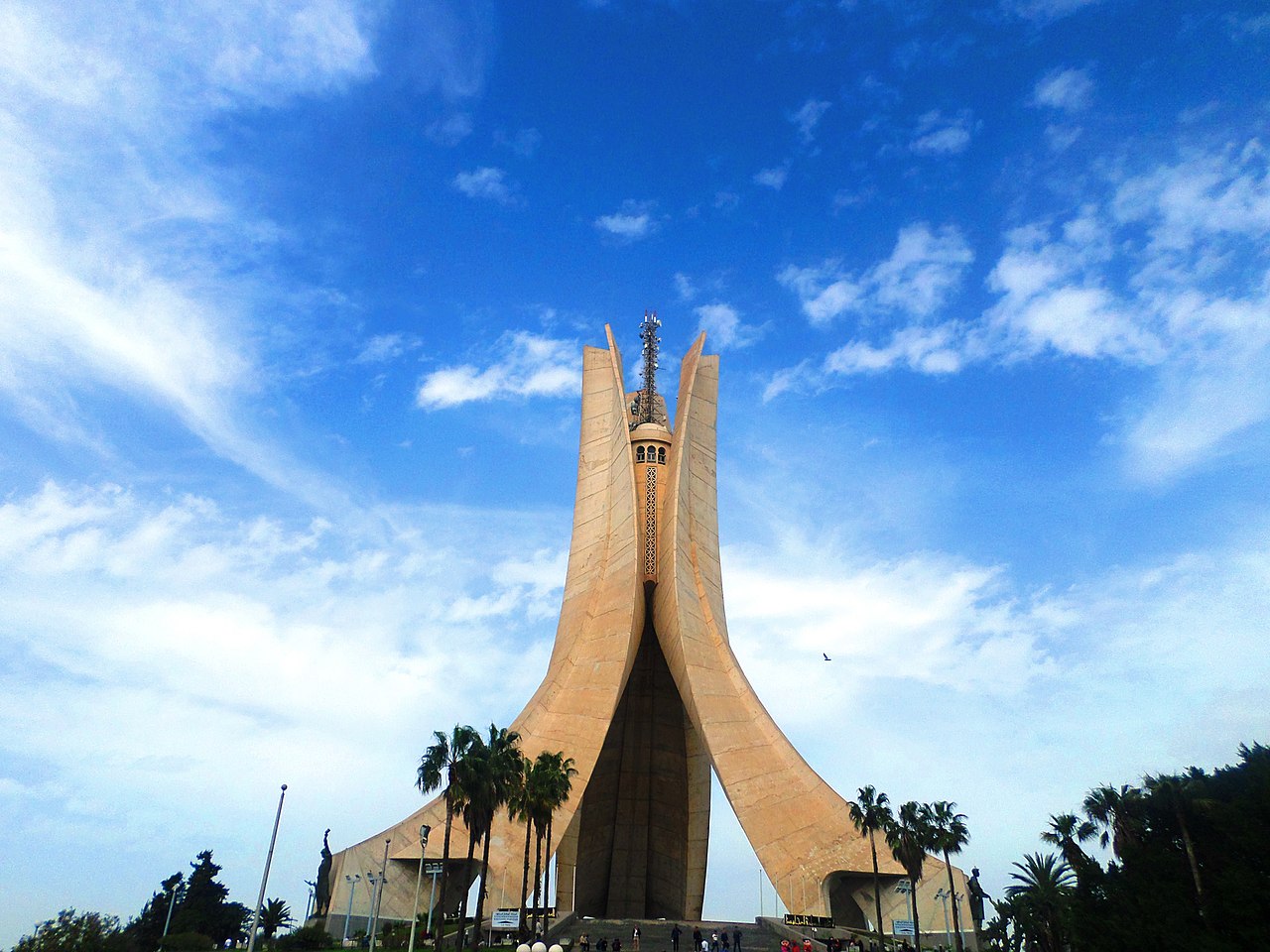


Memorial Halls and National Contexts
A memorial hall is a building designed specifically to commemorate people or events and to host educational displays and ceremonies. In the United Kingdom (UK) and the United States (US), many public halls and monuments focus on losses from large-scale conflicts such as World War I and World War II. In Germany (Germany) and Poland (Poland), memorial sites often confront the crimes of Nazi Germany and the Holocaust. In China, some memorials address the period of Japanese invasion and occupation (the Japanese part of the Second World War). Prominent institutions such as Yad Vashem combine commemoration with research and education.
Characteristics and Common Forms
- Monuments and statues: figurative or abstract structures placed in public squares or parks.
- Cenotaphs and tombs: empty tombs or dedicated burial sites that symbolize sacrifice.
- Plaques, name panels, and carved inscriptions: low-cost ways to list names and dates.
- Memorial gardens and living memorials: designed landscapes that invite reflection.
- Museum-like memorial halls: buildings that house artifacts, testimonies, and interpretive exhibits.
Design elements commonly include symbolic motifs, inscriptions or lists of names, the use of light and space to encourage contemplation, and materials chosen for durability and tone. Some memorials incorporate interactive or digital components to reach broader audiences.
History and Development
Commemoration is an ancient human practice: tombs, triumphal arches, and ritual monuments served similar functions in many early societies. The modern proliferation of public war memorials accelerated after mass conflicts of the 19th and 20th centuries, when nations and communities sought collective ways to acknowledge loss and sacrifice. The scale and style of memorials have continued to evolve, reflecting changing attitudes toward memory, reconciliation, and historical responsibility.
Functions, Debates, and Uses
Memorials perform multiple roles: they provide places for mourning and remembrance, act as tools for historical education, shape civic identity, and can serve as sites for ritual and public ceremony. At the same time, memorials can be contested. Debates arise over which events or individuals are commemorated, how histories are represented, and whether removal or reinterpretation of older memorials is appropriate. Such controversies show that memorials are not only about the past but also about present values.
Examples and Significance
Well-known memorials range from local plaques and village cenotaphs to national institutions and internationally recognized sites. Museums and memorial halls such as the Nanjing Massacre Memorial or Yad Vashem illustrate how memory can be institutionalized to preserve testimony and educate future generations. In many places, memorials continue to be created, adapted, or relocated as societies reassess their histories and priorities.
For further reading or links to specific sites and resources, consult the linked references and institutional pages that accompany many memorials and their stewardship organizations (object, memory, event, statues, popular, building, UK, US, WWI, WWII, Germany, Poland, Nazi Germany, Japanese part, Yad Vashem).
Related articles
Author
AlegsaOnline.com Memorial: Purpose, Types, History, and Cultural Role Leandro Alegsa
URL: https://en.alegsaonline.com/art/63744