
Southampton: Port City on England’s South Coast
Overview of Southampton, a major port city in Hampshire on England’s south coast — its geography, maritime economy, history (including the Titanic link), institutions, and transport.
Overview
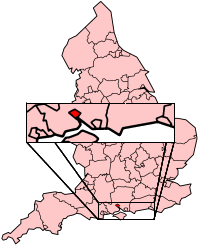
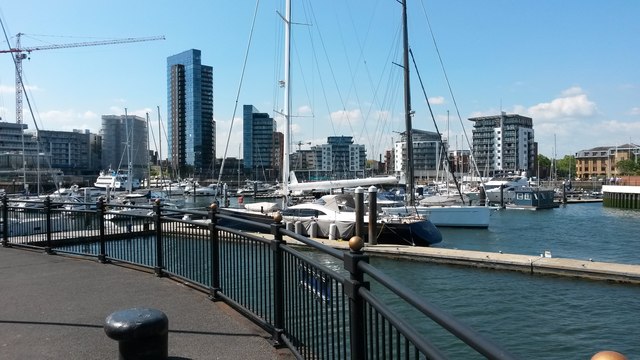
Southampton is a city on the southern coast of England, located in the county of Hampshire. Positioned on the Solent and at the mouths of the Rivers Test and Itchen, it is widely regarded as the largest urban centre on the south coast. The city’s waterfront, docks and sheltered natural harbour have shaped its identity as a maritime and commercial hub for centuries.
Image gallery
10 Images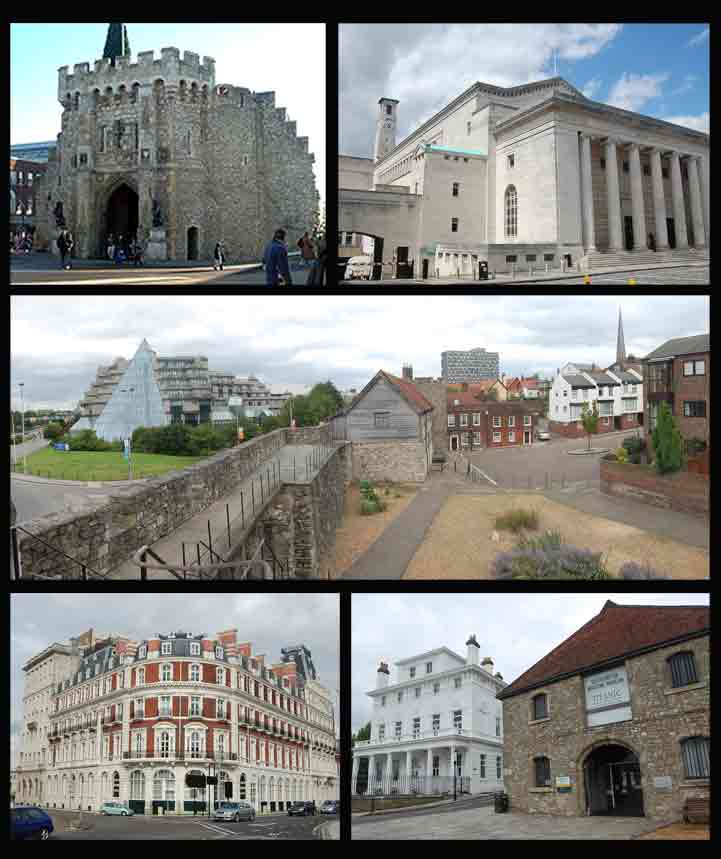




Geography and parts
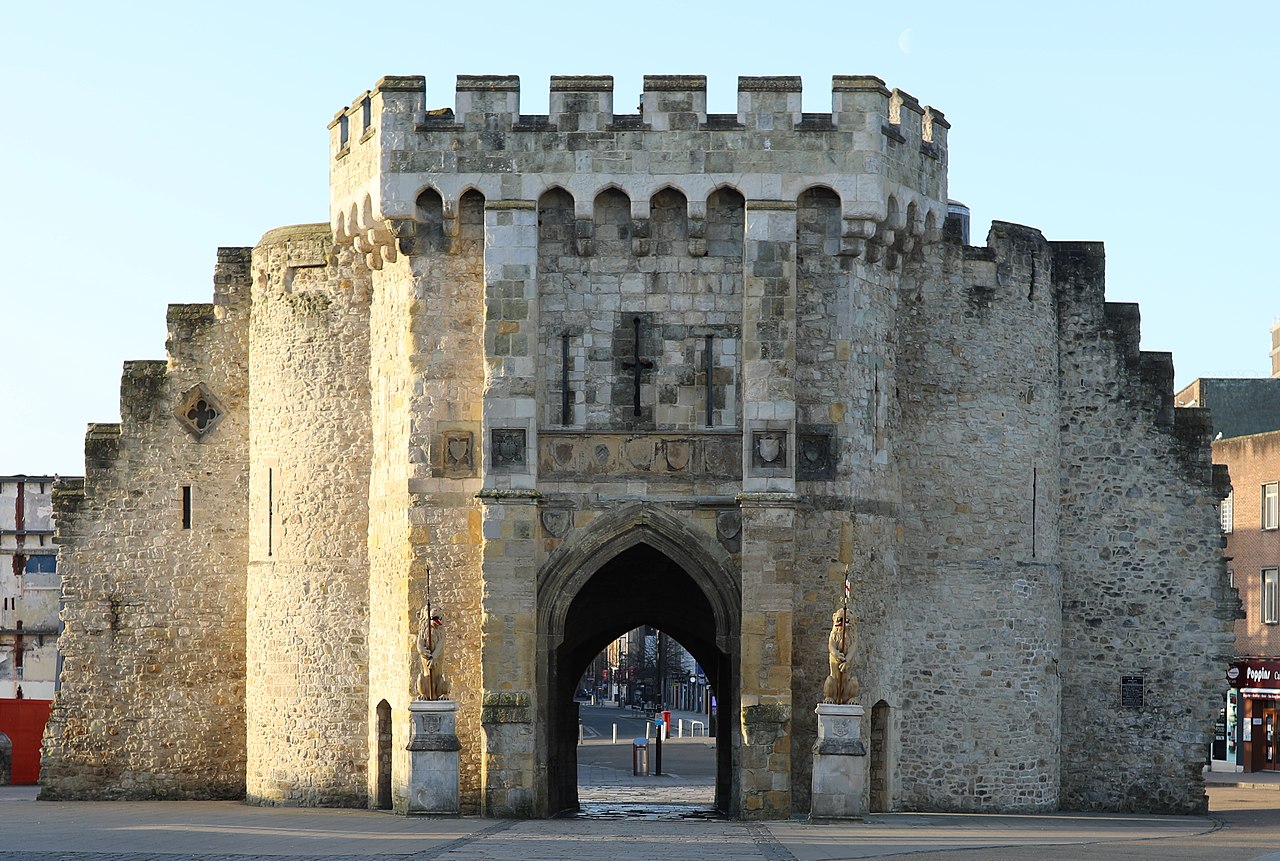
Southampton’s built area includes a historic medieval core, riverside commercial districts, residential suburbs and industrial waterfront zones. The harbour and tideways open into the Solent, a busy channel between the mainland and the Isle of Wight. Nearby landscapes and protected woodland give easy access to coastal and rural recreation.
History and maritime heritage
The city developed as a port and market town in the Middle Ages and expanded with trade, shipbuilding and overseas travel. Southampton became a principal embarkation point for ocean liners in the late 19th and early 20th centuries; most famously the RMS Titanic departed from here in 1912, and the city retains memorials and museum displays commemorating that connection. Maritime history remains visible in preserved quays, docks and museum collections.
Economy and the port
Shipping, logistics and cruise operations are central to the local economy. Southampton’s deep-water terminals handle container traffic, ferries and a large cruise trade that brings seasonal visitors and supports related industries such as ship repair, freight handling and port services. The port’s role combines commercial freight with passenger operations and maritime services.
Culture, education and sport
The city hosts universities and cultural venues that contribute to research, arts and student life. Local museums, theatres and galleries present maritime, civic and social history, while parks and waterfront promenades support public life. Sports clubs, including a well-known professional football club, are an active part of the city’s identity. Southampton is also the nearest significant urban centre to the New Forest, attracting visitors for both nature and culture.
Transport, attractions and notable facts
Southampton is a transport node with road and rail connections to other parts of southern England and onward links to London. Passenger services from the port include ferries and cruise departures, and the city is a gateway for maritime trade. Key points of interest and functions include:
- Major port facilities serving freight and cruise vessels (port information).
- Museums and memorials related to the city’s seafaring past and the Titanic story.
- Higher education and research institutions that influence the local economy and culture.
- Access to coastal and woodland recreation, notably the nearby New Forest and Solent waterways.
Together these elements define Southampton as a city shaped by its harbour: historically a departure point for ocean travel, today a centre for maritime commerce, education and coastal tourism.
More about Southampton | Hampshire | south coast | port details | New Forest
Related articles
Author
AlegsaOnline.com Southampton: Port City on England’s South Coast Leandro Alegsa
URL: https://en.alegsaonline.com/art/92257
Sources
- lovemytown.co.uk : "City statistics and research"
- nomisweb.co.uk : "2011 Census – Built-up areas"
- espon.eu : "British urban pattern: population data" · web.archive.org
- neighbourhood.statistics.gov.uk : "Lead View Table"
- brookings.edu : "Global city GDP 2014"
- stga.org.uk : "Southampton - In Brief"
- visit-southampton.co.uk : visit-southampton.co.uk
- bargatecentre.com : "万博体育彩票下注-万博体育彩票规则-万博体育彩票软件"
- mayflower.org.uk : mayflower.org.uk
- hytheferry.co.uk : "Home"
- southamptonfc.com : "SOUTHAMPTON FC - Official Website of Saints – latest news, photos and videos"
- rijeka.hr : "Grad Rijeka"