
Surface-to-Air Missile (SAM)
Surface-to-air missiles (SAMs) are ground- or sea-launched weapons intended to detect, track and destroy aircraft or incoming missiles. This article describes their design, guidance, history, and operational roles.
Overview
A surface-to-air missile, commonly abbreviated SAM, is a missile launched from the ground or a ship to intercept and destroy airborne targets such as manned aircraft, unmanned aerial vehicles, or other missiles. A SAM is one component of broader anti-aircraft warfare, and it typically complements guns, electronic systems, and interceptor aircraft. The basic concept is to deliver a guided warhead from a surface position to a moving aerial target.
Image gallery
10 Images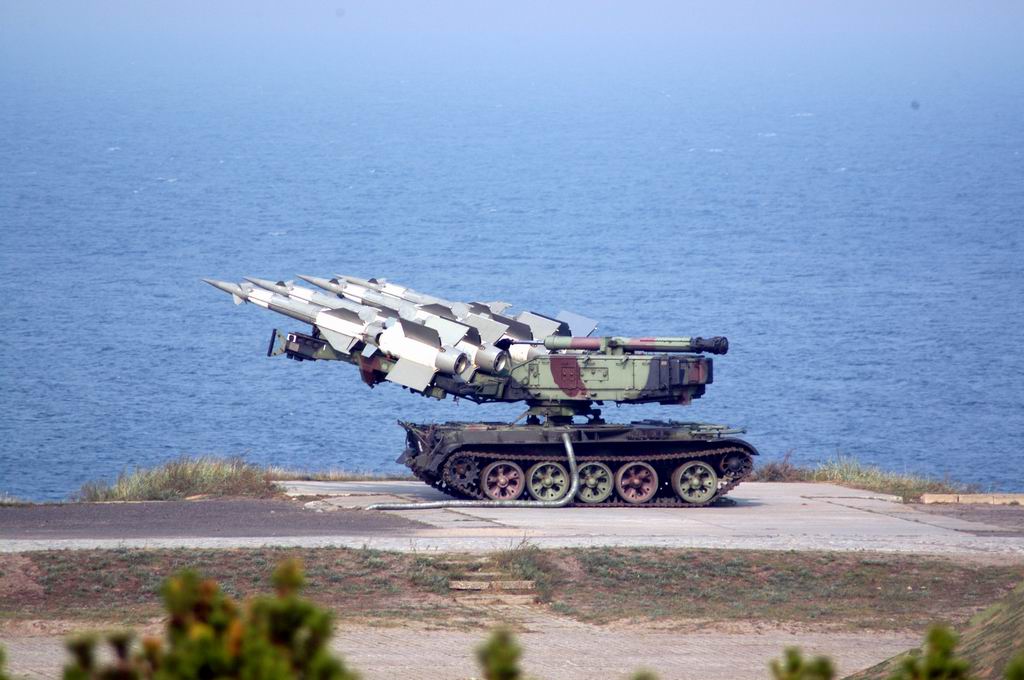

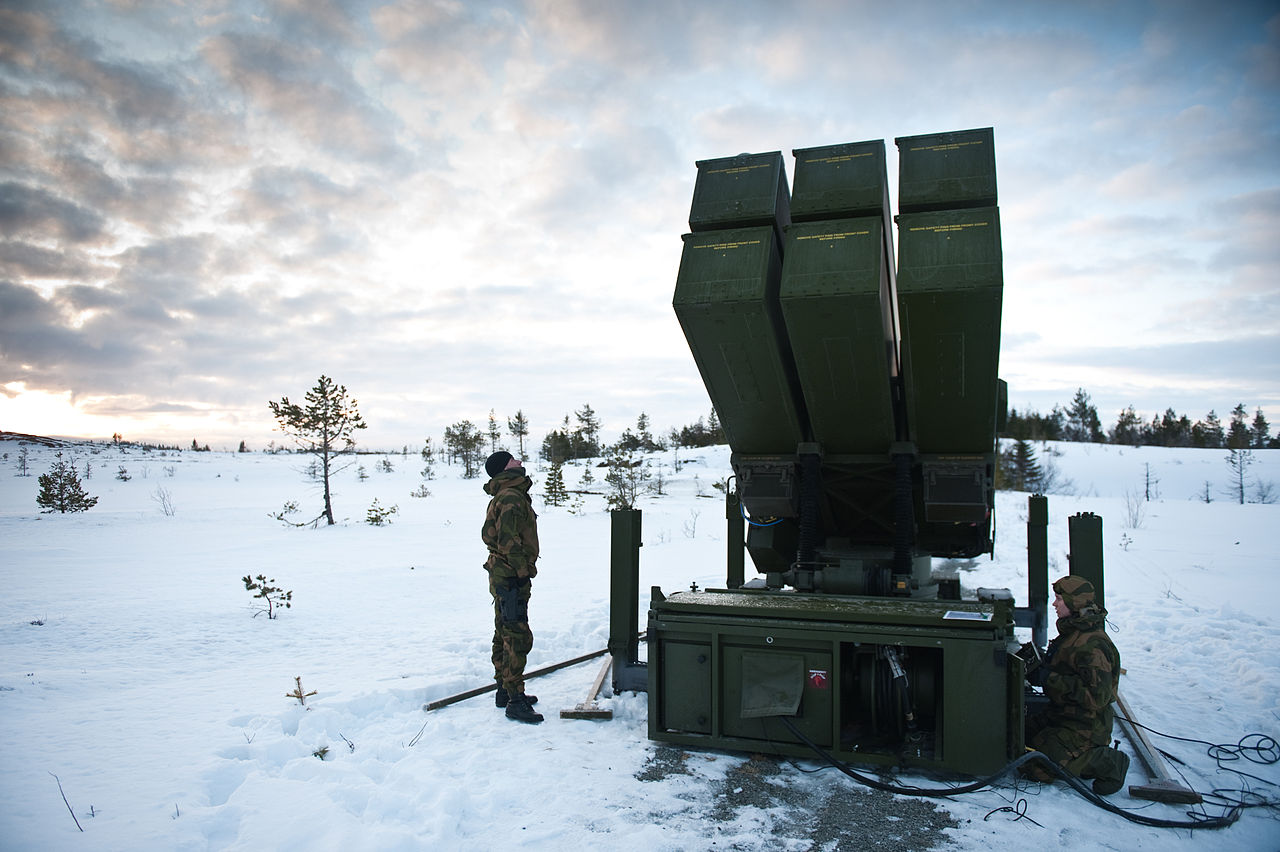


Key components and characteristics
Most SAM systems consist of several integrated parts: a launcher, a propulsion motor or rocket, a guidance system and seeker, a warhead and a fuzing mechanism, and associated radar or sensors for target detection and tracking. Mobility varies from fixed installations to transportable launchers and portable shoulder-fired types known as MANPADS. Propulsion and aerodynamics determine speed and range, while guidance and seeker type determine accuracy and target types.
Guidance methods and seekers
Guidance approaches shape how a missile homes in on its target. Common types include:
- Command guidance, where the missile receives steering commands from ground controllers.
- Semi-active guidance, which relies on ground-based radar illuminating the target and the missile homing on reflected energy.
- Active guidance, where the missile carries its own radar or sensor to acquire the target during the terminal phase.
- Passive seekers, such as infrared homing, that track heat or other emissions from the target.
History and development
Efforts to defeat aircraft from the ground predate guided missiles, but guided SAMs emerged in the mid twentieth century as radar and rocket technology matured. Over time SAMs evolved from short-range, point-defense weapons to layered systems capable of defending wide areas or protecting high-value assets. Naval SAMs were developed to protect ships from air threats, and modern doctrines integrate SAMs with radar networks and air-to-air assets.
Operational uses and examples
SAMs fulfill several roles: point defense of installations and ships, area defense to protect airspace over regions, mobile battlefield air defense to shield troop formations, and layered homeland or theater air defense. Smaller shoulder-fired missiles give infantry units localized protection, while larger systems create overlapping coverage for strategic sites. Effectiveness depends on sensor coverage, rules of engagement, and integration with other defenses.
Notable considerations and distinctions
SAMs differ from air-to-air missiles (AAMs) by their launch platform and supporting infrastructure. They face countermeasures such as electronic jamming, decoys, and stealth technology, and contemporary development often emphasizes networked sensors and improved guidance to handle low-observable or high-speed threats. For more technical definitions and background, see missile and material on aircraft.
Understanding SAMs requires looking at integration of sensors, command systems, and weapons rather than the missile alone: modern air defense is a layered system combining many technologies to reduce the risk posed by airborne threats.
Related articles
Author
AlegsaOnline.com Surface-to-Air Missile (SAM) Leandro Alegsa
URL: https://en.alegsaonline.com/art/95160