
Sumac: overview, characteristics, uses, and identification
Sumac refers to several shrubs and small trees known for pinnate leaves, clusters of red drupes called sumac bobs, small five-petaled flowers, and varied uses from spice to dye. Distinguish edible species from poisonous ones.
Overview
Sumac is a common name for a group of woody plants in and around the genus Rhus and related genera. Often encountered as shrubs or small trees, they are best known for dense terminal clusters of fruit and for being a flowering plant that appears in many temperate and subtropical landscapes. Several species are valued in horticulture, food traditions and ecological restoration.
Image gallery
7 Images


Characteristics
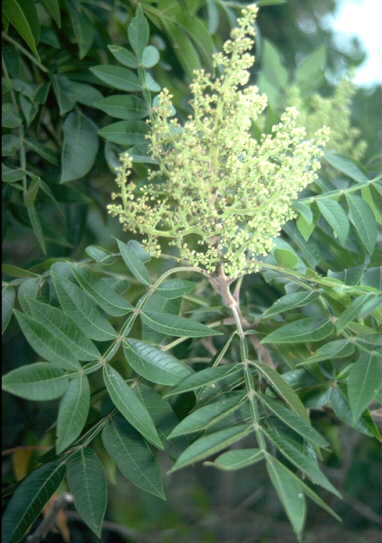
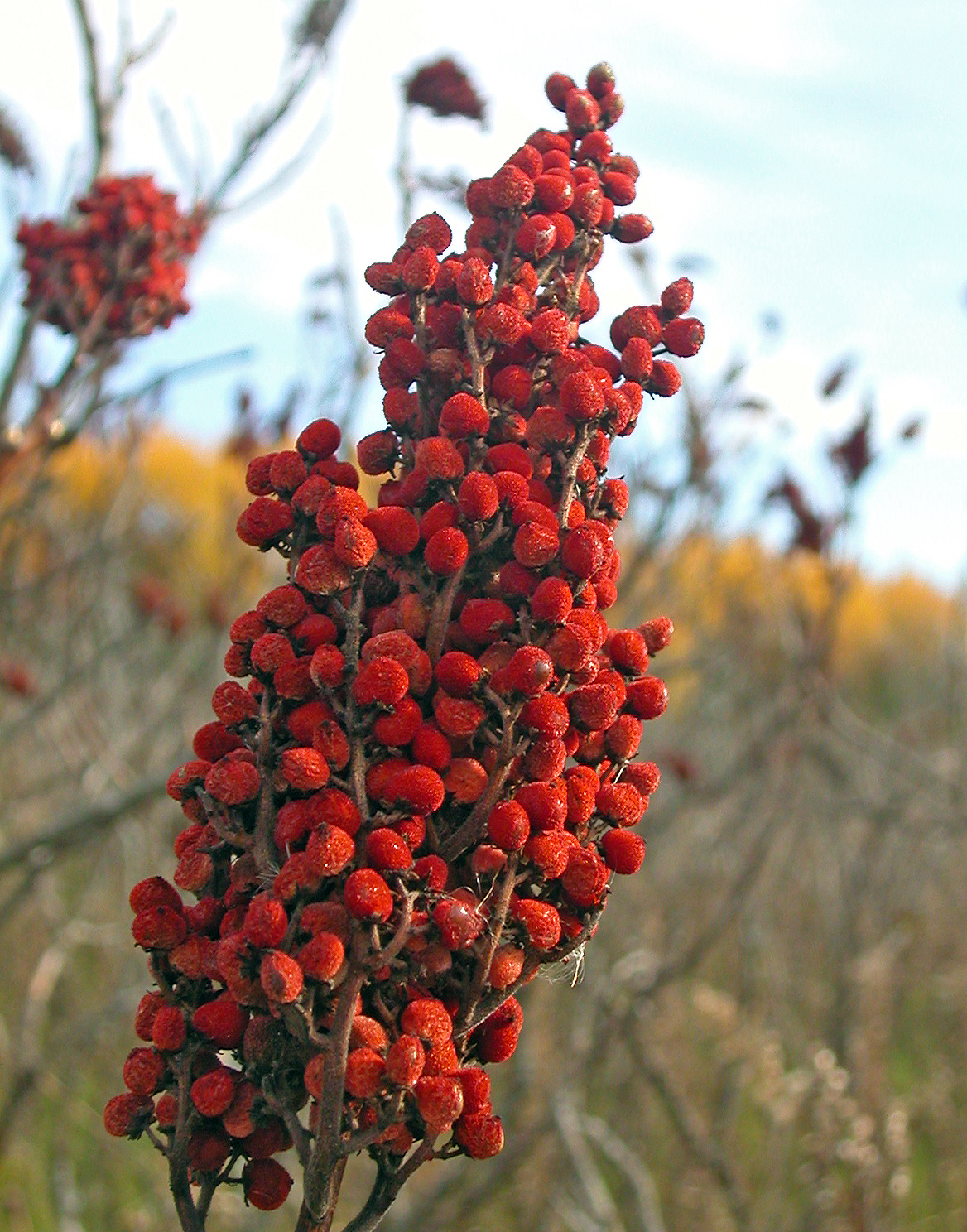
Most sumacs have compound leaves with many leaflets; these are sometimes described as appearing spiraled on growing shoots, but botanically they are pinnate. The leaves vary in texture and can turn vivid colors in autumn. The flowers form upright or drooping spikes. Individual blooms are small and may be greenish, creamy white or red, typically with five petals. After flowering the plants develop dense clusters of drupes—commonly called sumac bobs or berries—that persist into winter.
Uses and importance
Sumac fruits and other plant parts have a range of uses. Culinary sumac—made from dried, ground red drupes—is a sour, lemony spice widely used in Middle Eastern cuisine and as a table condiment. Other uses include natural dyes and tannins for leather processing, ornamental planting for autumn color and wildlife value, and traditional medicinal applications in various cultures. Birds and mammals eat the persistent drupes through the colder months, helping disperse seeds.
Identification and safety
- Leaves: pinnate with multiple leaflets, often becoming colorful in fall.
- Flowers: small, in elongated clusters or panicles; five tiny petals.
- Fruit: tight clusters of red or reddish drupes that remain after leaves drop.
- Growth habit: usually multi-stemmed shrubs or small trees with rough bark.
Not all plants called sumac are edible; notably, poison sumac (a different species in Toxicodendron) causes severe skin irritation and should not be handled. When foraging or using sumac for food, be certain of the species and avoid any plant with unknown identity.
Notable facts and history
Sumac has a long practical history: the spice is traditional in Levantine and Mediterranean cuisines, Native American communities used various species for food and remedies, and colonial industries employed tannin-rich bark in leatherwork. Several species such as staghorn and smooth sumac are commonly planted for erosion control and wildlife habitat because of their hardy nature and prolific fruiting.
For further botanical information and images, consult regional plant guides and authoritative horticultural resources referenced here: plant overview, growth form, leaf structure, flower details, greenish blooms, creamy flowers, red flowers, five-petaled blooms, and fruit clusters.
Related articles
Author
AlegsaOnline.com Sumac: overview, characteristics, uses, and identification Leandro Alegsa
URL: https://en.alegsaonline.com/art/94761
Sources
- ars-grin.gov : "Rhus L."
- tropicos.org : "Rhus L."
- taste.com.au : Sumac - Ingredients - Taste.com.au
- landscaping.about.com : Poison Sumach and good Sumac shrubs