
Sunflower (Helianthus annuus): biology, cultivation, uses and history
Sunflower (Helianthus annuus) is an annual Asteraceae plant known for its composite flower head, seed and oil production, ornamental varieties, pollinator value, and use in agriculture and some phytoremediation studies.
Overview
The sunflower (Helianthus annuus) is a widely cultivated annual plant in the Asteraceae family, notable for its large composite flower head and prolific seed production. Native to the Americas, the species was domesticated by Indigenous peoples and later spread to Europe and other regions. Wild and cultivated forms vary from low, branching plants to single-stem giants whose stems may reach several metres in favorable conditions (height). Modern cultivars are bred for seed yield, oil quality, ornamental traits and adaptability to different climates origin.
Image gallery
10 Images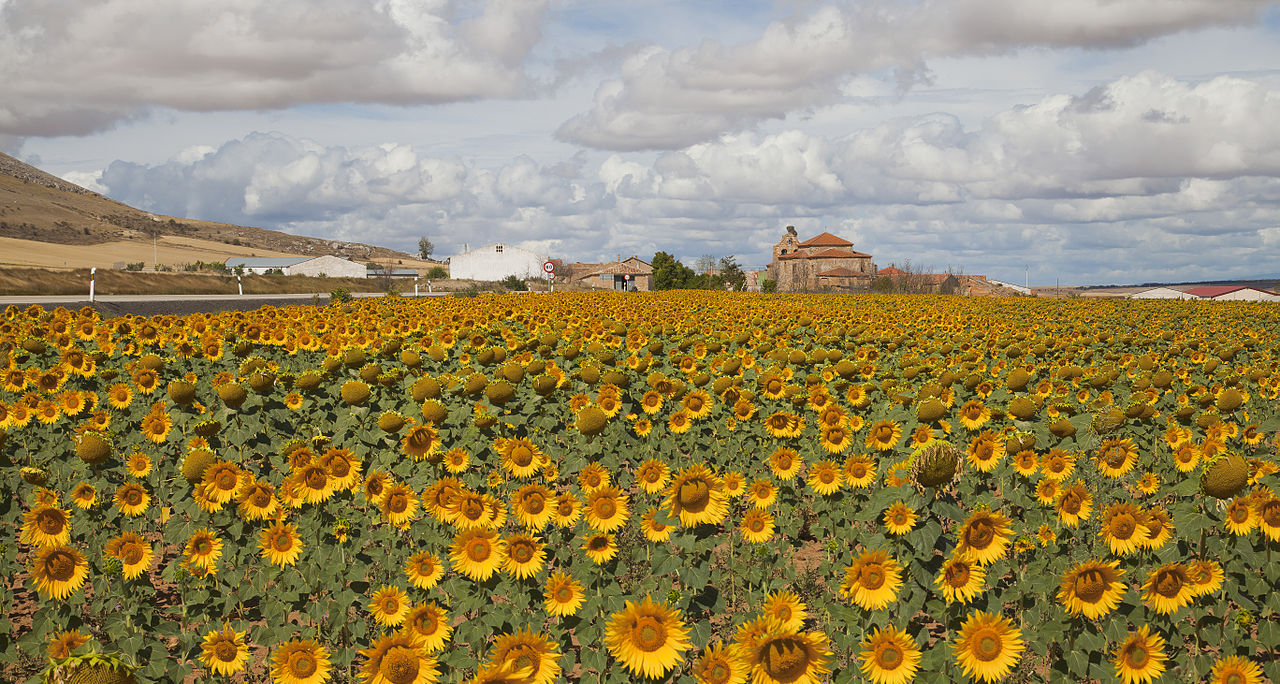


Morphology
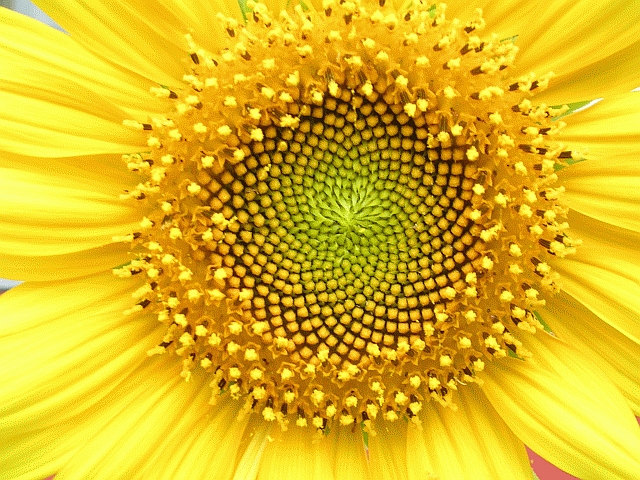
What appears to be a single flower is an inflorescence (a compact head or capitulum) composed of many small florets. The showy outer 'ray' florets resemble petals and attract pollinators, while the central 'disc' florets are fertile and develop into one-seeded fruits called achenes. The arrangement of disc florets often follows spiral phyllotaxis patterns that allow efficient packing of seeds. Young sunflower heads may track the sun across the sky (heliotropism); after flowering the mature head typically faces east to warm early pollinators. Botanists describe the composite head as a inflorescence or a pseudanthium.
Reproduction and ecology
Sunflowers are primarily pollinated by bees and other insects attracted to nectar and pollen. Flowers open sequentially from the periphery toward the centre, providing a prolonged nectar source and increasing seed set. Seeds are an important food resource for birds and small mammals, and the plant can support a diverse insect community. In agricultural landscapes, sunflower plantings can contribute to pollinator habitat and biodiversity when managed appropriately.
Varieties and ornamental types
Breeders have developed a wide range of cultivars: giant single-headed types, branching forms producing many smaller heads, dwarf bedding varieties, and types selected for petal colour and form. Ornamental cultivars include richly coloured examples such as the 'California Royal' with deep burgundy tones and other hues that result from combinations of red and purple pigments California Royal, red and purple selections. Gardeners choose cultivars by height, bloom size and flowering season.
Cultivation and management
Sunflowers grow best in full sun and generally prefer fertile, well-drained soils with regular moisture during establishment. For field planting a typical recommendation is to space seeds roughly 45 cm apart and sow at a shallow depth of a few centimetres to ensure reliable emergence; spacing and depth vary by cultivar and purpose. Crop rotation, timely weed control, and monitoring for pests and disease are important in commercial production. Seeds are harvested when heads and achenes have matured and dried sufficiently for storage.
Uses
- Food and oil: Seeds are used as snacks, culinary ingredients and pressed for vegetable oil used in cooking and food processing.
- Animal feed and birdseed: Whole seeds and by-products supply feed for livestock and are a common component of bird mixes.
- Ornamental and cut flowers: Many varieties are grown for gardens and the cut-flower trade.
- Environmental uses: Sunflowers have been used in phytoremediation studies to assist in stabilizing or removing some soil contaminants and to support ecological restoration efforts.
Pests, diseases and postharvest
Sunflower crops may be affected by a range of pests—birds and mammals removing seeds, insect pests that feed on heads or foliage—and by pathogens including fungal, viral and bacterial diseases that can reduce yield or quality. Integrated pest management, disease-resistant varieties and appropriate harvest timing help reduce losses. Proper drying and storage are important to prevent spoilage and maintain oil quality.
Cultural significance and notable facts
Sunflowers are culturally significant in many regions as food, symbol and ornamental plant. They are the state flower of Kansas, which is often called the Sunflower State. Their striking form inspired artists and continues to be a popular motif in art, gardens and public plantings. For further botanical details and practical guidance consult horticultural manuals and local extension services; authoritative databases and cultivar lists provide region-specific advice and sourcing information inflorescence details, domestication background, and general cultivation resources botanical terms.
Additional resources and introductions to sunflower biology, cultivar selection and pest management can be found in gardening guides, agricultural extension publications and pollinator conservation materials colour varieties, breeding, ornamental examples. For origin, cultivation and applied uses consult specialist sources and local experts growth habits, family overview.
Questions and answers
Q: What is a sunflower?
A: A sunflower is a living annual plant in the family Asteraceae with a large flower head.
Q: How tall can the stem of a sunflower grow?
A: The stem of a sunflower can grow up to 3 meters tall.
Q: What is an inflorescence?
A: An inflorescence is a cluster of flowers that are grouped closely together.
Q: What are florets?
A: Florets are tiny flowers that are grouped together to form an inflorescence.
Q: What is the benefit of having an inflorescence made of florets?
A: The benefit to the plant is that it is very easily seen by the insects and birds which pollinate it, and it produces thousands of seeds.
Q: What is the state flower of Kansas?
A: The state flower of Kansas is the sunflower.
Q: What are the ideal growing conditions for sunflowers?
A: Sunflowers grow best in fertile, wet, well-drained soil with a lot of mulch and need full sun.
Related articles
Author
AlegsaOnline.com Sunflower (Helianthus annuus): biology, cultivation, uses and history Leandro Alegsa
URL: https://en.alegsaonline.com/art/94900
Sources
- commons.wikimedia.org : Helianthus annuus
- species.wikimedia.org : Helianthus annuus
- simple.wiktionary.org : Sunflower
- maths.surrey.ac.uk : Knott R. 2010. Fibonacci numbers
- botanicus.org : Herball, or Generall Historie of Plantes