
Bigleaf mahogany (Swietenia macrophylla)
A large tropical hardwood tree native to the Americas, valued for reddish timber and ecological importance. Widely traded and regulated; threatened by overharvesting and habitat loss in parts of its range.
Bigleaf mahogany is the common name for Swietenia macrophylla, a tropical hardwood tree in the Meliaceae family. This species is one of the primary sources of what is commercially known as genuine mahogany. It is prized for its durable, attractive wood but has also become a focal point for conservation and sustainable forestry efforts because of heavy historical and ongoing harvesting.
Image gallery
10 Images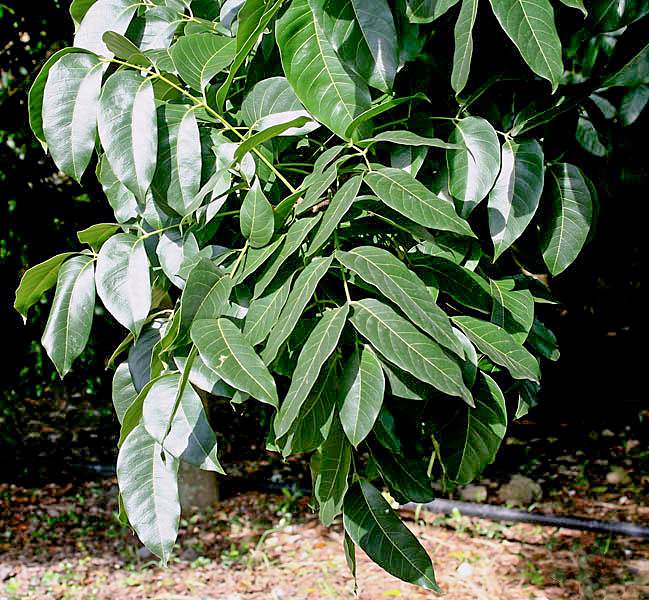



Description and distinguishing features
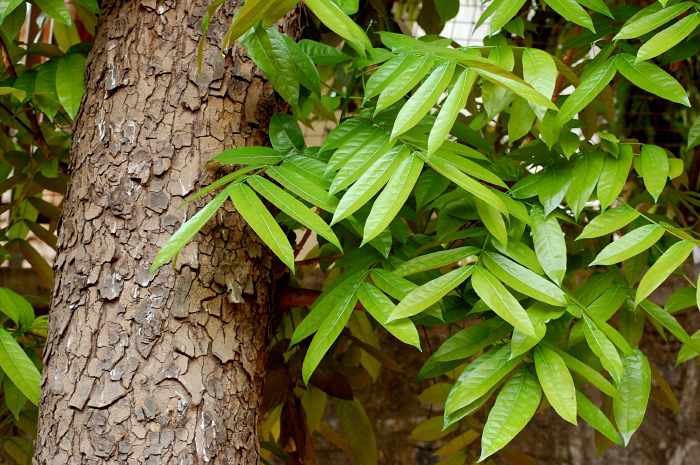
Swietenia macrophylla is a long-lived, evergreen tree notable for its large, pinnate leaves and smooth, straight bole that can produce long clear lengths of timber. Flowers are small and cream-colored; the fruit is a hard, woody capsule that releases winged seeds adapted for wind dispersal. Key identifying traits include the relatively large leaflets and the reddish-brown color of the heartwood when freshly cut.
Range, habitat and history
Native to tropical regions of the Americas, bigleaf mahogany occurs from southern Mexico through Central America and across much of tropical South America, and it also grows in parts of the Caribbean. It occupies humid lowland and montane forests, tolerating a variety of soils and showing relatively fast growth compared with some other mahogany species. Human use dates to pre-Columbian times, and European demand for its timber expanded markedly from the 17th century onward.
Uses and economic importance
The wood is valued for furniture, cabinetry, musical instruments, boatbuilding and high-quality joinery because of its workability, stability and warm color. Bigleaf mahogany is also planted in plantation forestry where conditions allow, and is used in agroforestry systems. Examples of common names and trade names include broad-leaved mahogany, Brazilian mahogany and Honduras mahogany; these names appear frequently in commercial and historical sources.
Conservation, management and notable facts
Due to intensive logging and habitat conversion, populations have declined in many regions. Bigleaf mahogany is internationally regulated in trade and is listed under CITES Appendix II to control overexploitation. Sustainable management approaches include selective harvesting, community forestry, and certified timber programs (for example, forest certification schemes). Natural regeneration can be limited where adult trees have been removed, so conservation often requires both protection of forest stands and active restoration.
Further reading
- Taxonomy and species information: Swietenia macrophylla.
- Wood properties and uses: industry guides and forestry manuals available through forestry organizations.
Because of its ecological role and commercial value, bigleaf mahogany illustrates the balance many tropical timber species face between economic use and long-term conservation. Efforts to source mahogany responsibly continue to shape markets and forest policy in producing countries.
Related articles
Author
AlegsaOnline.com Bigleaf mahogany (Swietenia macrophylla) Leandro Alegsa
URL: https://en.alegsaonline.com/art/95511