
Sweet William (Dianthus barbatus): a fragrant garden pink
Sweet William, Dianthus barbatus, is a biennial or short-lived perennial in the pink family, grown for dense clusters of fragrant red, pink and white flowers and valued in temperate gardens.
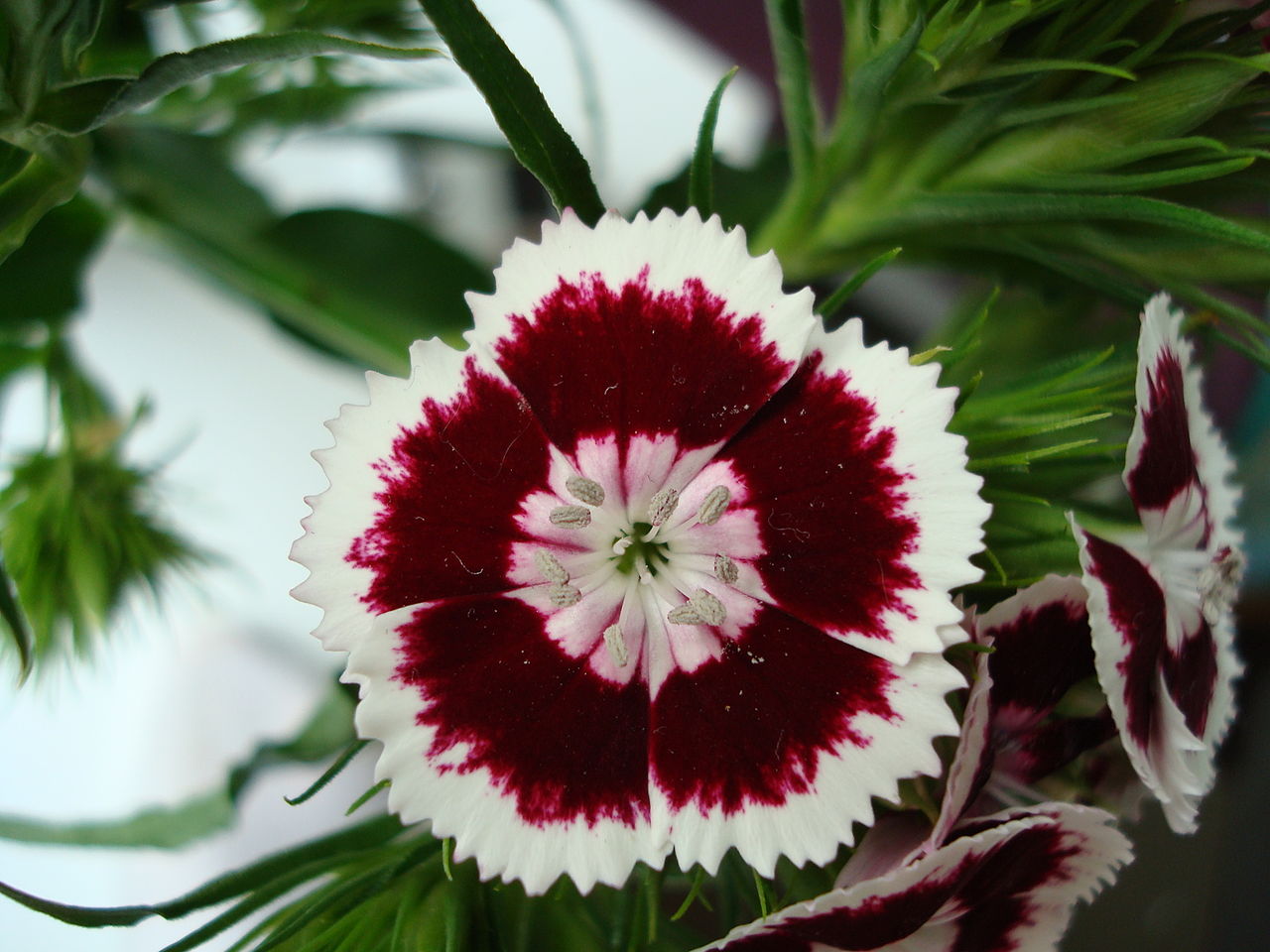
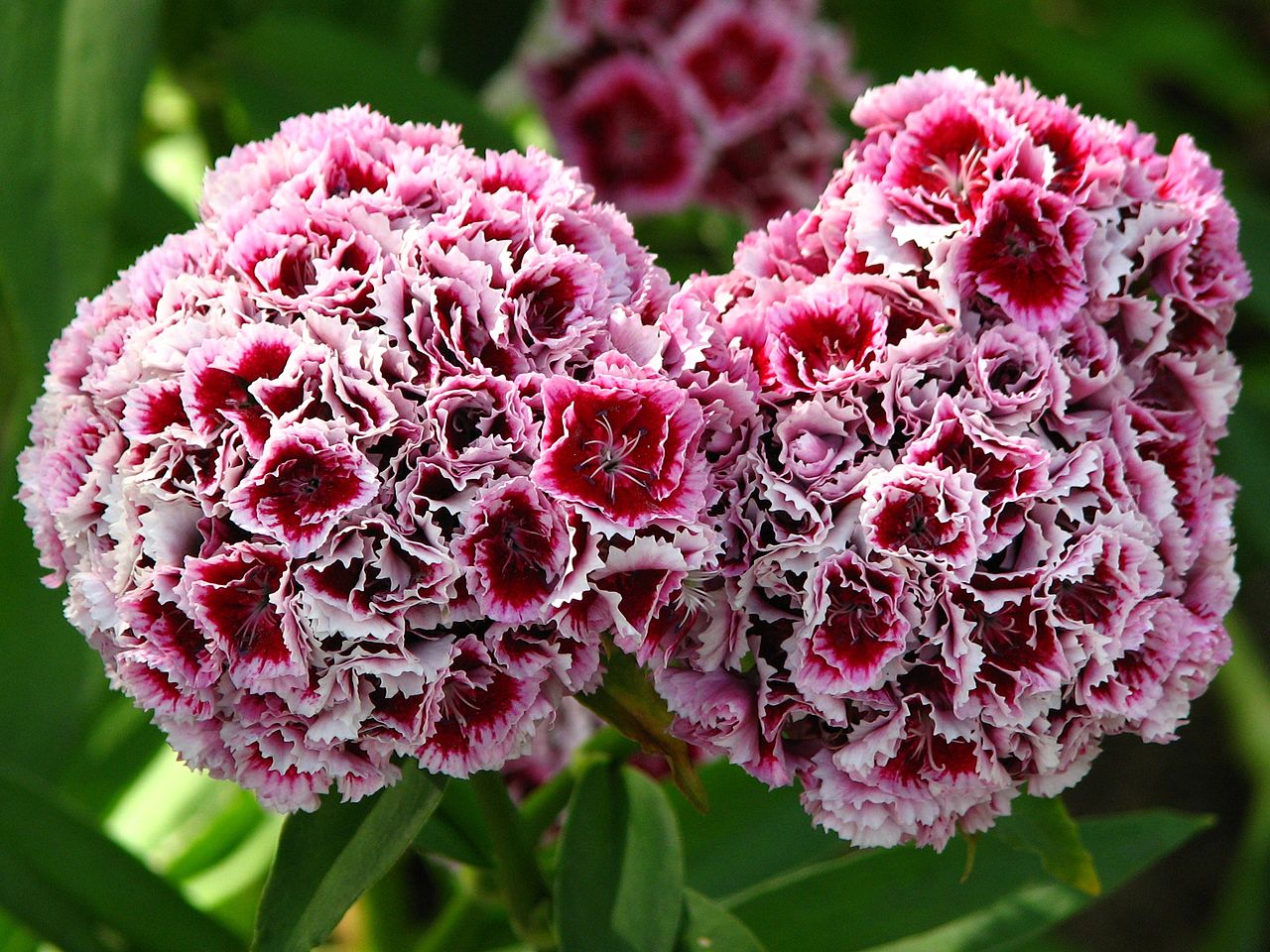
Sweet William (Dianthus barbatus) is a herbaceous flowering plant in the pink family (Caryophyllaceae) prized for its dense, rounded clusters of small, often fragrant flowers. Native to temperate regions of Europe and parts of western Asia, it is commonly cultivated in gardens for late spring to early summer colour. Plants are usually grown as biennials or short-lived perennials and are noted for their compact clumps of narrow, blue-green leaves topped by showy inflorescences in shades of red, pink, rose, white and bi-colours.
Image gallery
10 Images



Characteristics and cultivation
Sweet William typically forms erect stems bearing flat-topped clusters (cymes) of many individual flowers. Blooming time is generally late spring into early summer. The species tolerates a range of soils but prefers well-drained, neutral to slightly alkaline soils and a position in full sun to light shade. It is commonly sown from seed: many gardeners sow in one year for flowering the next, though some strains flower within the same season if started early. Plants will often self-seed and can be propagated by seed or by dividing clumps.
History and name
The common name "Sweet William" has uncertain origins and several popular explanations. In English tradition it has sometimes been linked to 18th-century figures such as William Augustus, Duke of Cumberland; contemporaneous musical tributes like the Handel chorus "See the Conquering Hero Comes" are often mentioned in cultural accounts. Other explanations point to older folk and regional names or to associations with saints named William. Botanical authors identify the plant as Dianthus barbatus and place it within the same genus as carnations and garden pinks. For botanical summaries see Dianthus resources and cultural references such as Handel's chorus.
Uses and garden value
Sweet William is widely used in mixed borders, cottage gardens and cutting beds. Its dense flower heads make attractive bouquets and its fragrance and nectar attract bees and butterflies. Because of its compact habit it also suits front-of-border positions or informal drifts. In traditional floriography and garden writing the species has been associated with gallantry, admiration and youthful charm, although symbolic meanings vary by era and region.
Practical tips and notable facts
- Planting: Sow seeds in late spring or early summer for biennial habit, or start indoors for earlier flowering.
- Care: Provide sun, regular watering but good drainage, and remove spent blooms to encourage tidy habit and reduce self-seeding if desired.
- Pests and diseases: Generally hardy but can suffer from fungal leaf spots, rusts or aphids—good air circulation reduces problems.
- Related plants: Closely related to carnations (Dianthus caryophyllus) and other garden pinks; many cultivars and hybrids extend the colour range and flowering time.
Although modest and easy to grow, Sweet William remains a popular and historically resonant garden plant. Its combination of clustered colour, pleasant scent and usefulness in arrangements has kept it in cultivation for centuries, and it continues to be a staple in temperate ornamental horticulture.
Questions and answers
Q: What is Sweet William?
A: Sweet William is a biennial to perennial plant belonging to the pink family, native to southern Europe, and widely grown for its clusters of small bright-coloured flowers.
Q: What is Sweet William grown for?
A: Sweet William is grown for its fragrant red, white, and pink flowers.
Q: Who composed “See the Conquering Hero Comes” and why?
A: Georg Friedrich Händel composed “See the Conquering Hero Comes” in honour of the victorious Duke of Cumberland.
Q: Where is Sweet William native to?
A: Sweet William is native to southern Europe.
Q: What family does Sweet William belong to?
A: Sweet William belongs to the pink family.
Q: Why was the flower Sweet William named after the Duke of Cumberland in England?
A: The flower Sweet William was named after the Duke of Cumberland in England because Georg Friedrich Händel composed “See the Conquering Hero Comes” in honour of the victorious Duke of Cumberland.
Q: What colours do Sweet William flowers come in?
A: Sweet William flowers come in fragrant red, white, and pink colours.
Related articles
Author
AlegsaOnline.com Sweet William (Dianthus barbatus): a fragrant garden pink Leandro Alegsa
URL: https://en.alegsaonline.com/art/95499