
Syzygium — tropical genus of flowering trees and shrubs in Myrtaceae
Syzygium is a large genus of evergreen trees and shrubs in the myrtle family, with about 1,100 species native from Africa and Madagascar across southern Asia to the Pacific, many with edible fruits.
Syzygium is a genus of flowering plants in the myrtle family Myrtaceae. The group contains roughly 1,100 species of mainly evergreen trees and shrubs. Many species are valued for their edible fruit, aromatic flower parts or ornamental form. For a general overview see Syzygium, and for broader placement among flowering plants consult angiosperm resources; the family context is available at Myrtaceae.
Image gallery
6 Images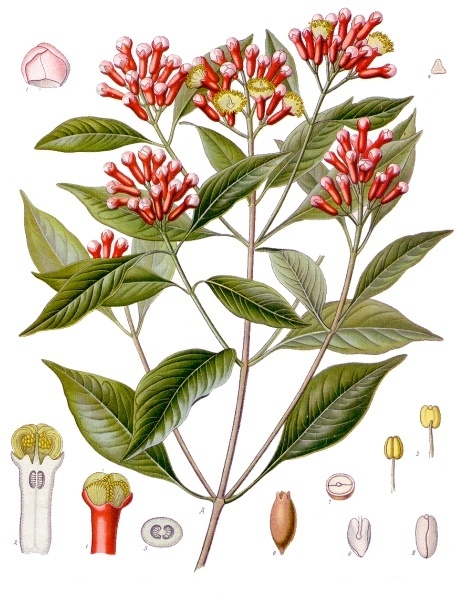


Characteristics
Plants in this genus typically have simple, opposite leaves with entire margins and a fragrant oil in the foliage. Flowers often have conspicuous bundles of long stamens, giving many species showy blossoms. The fruit is usually fleshy and berry-like; in many species it is edible and varies in size, shape and color. Habit ranges from small understory shrubs to large forest trees.
Distribution and origins
Syzygium has a tropical to subtropical distribution: native species occur in Africa and Madagascar, across southern and southeastern Asia, and throughout island groups of the Pacific. Many species evolved on islands and in coastal forests, producing a high level of endemism in places such as the Pacific islands and parts of Southeast Asia.
Uses and notable species
- Culinary and spice: Syzygium aromaticum produces cloves, an important historical spice.
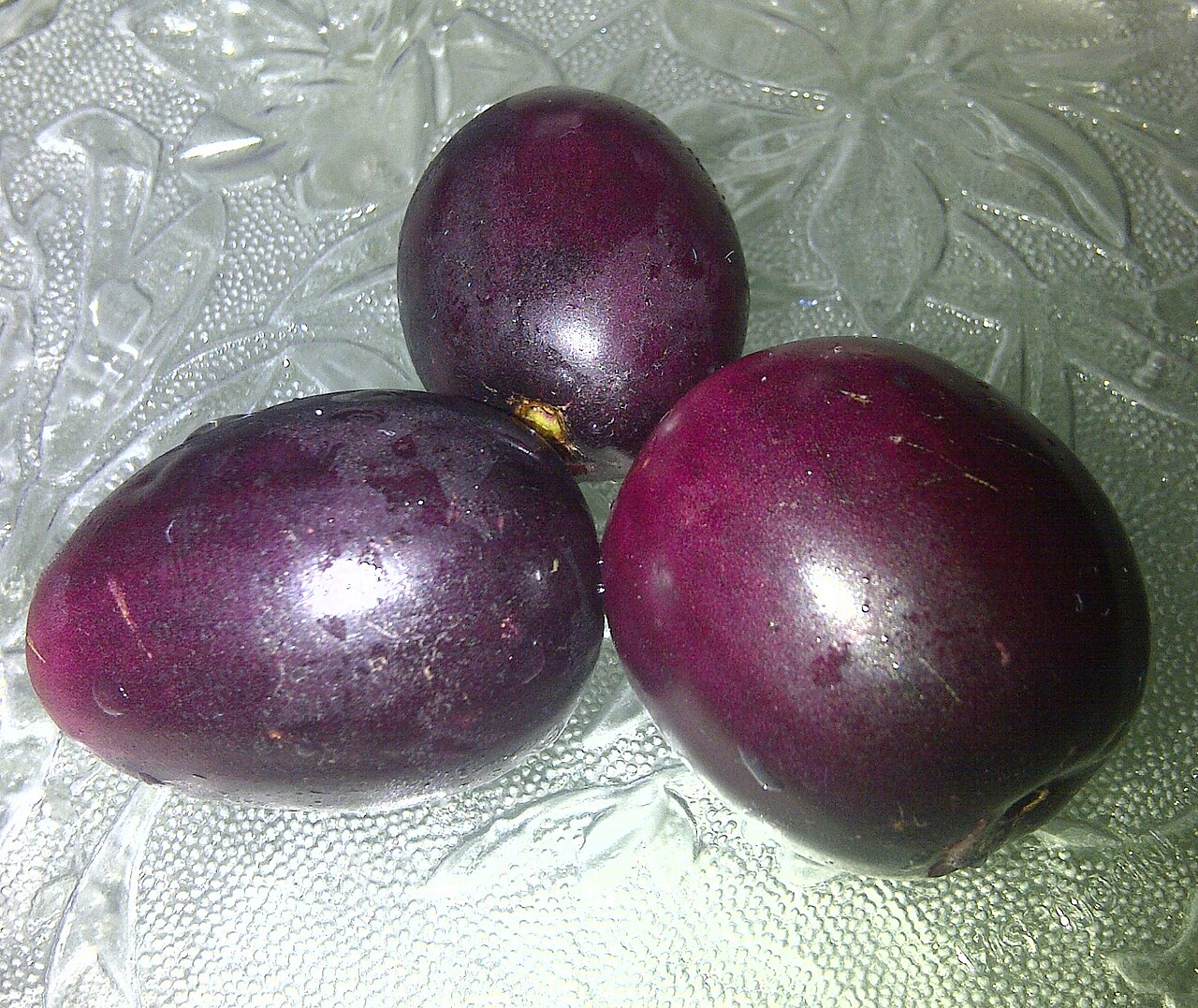
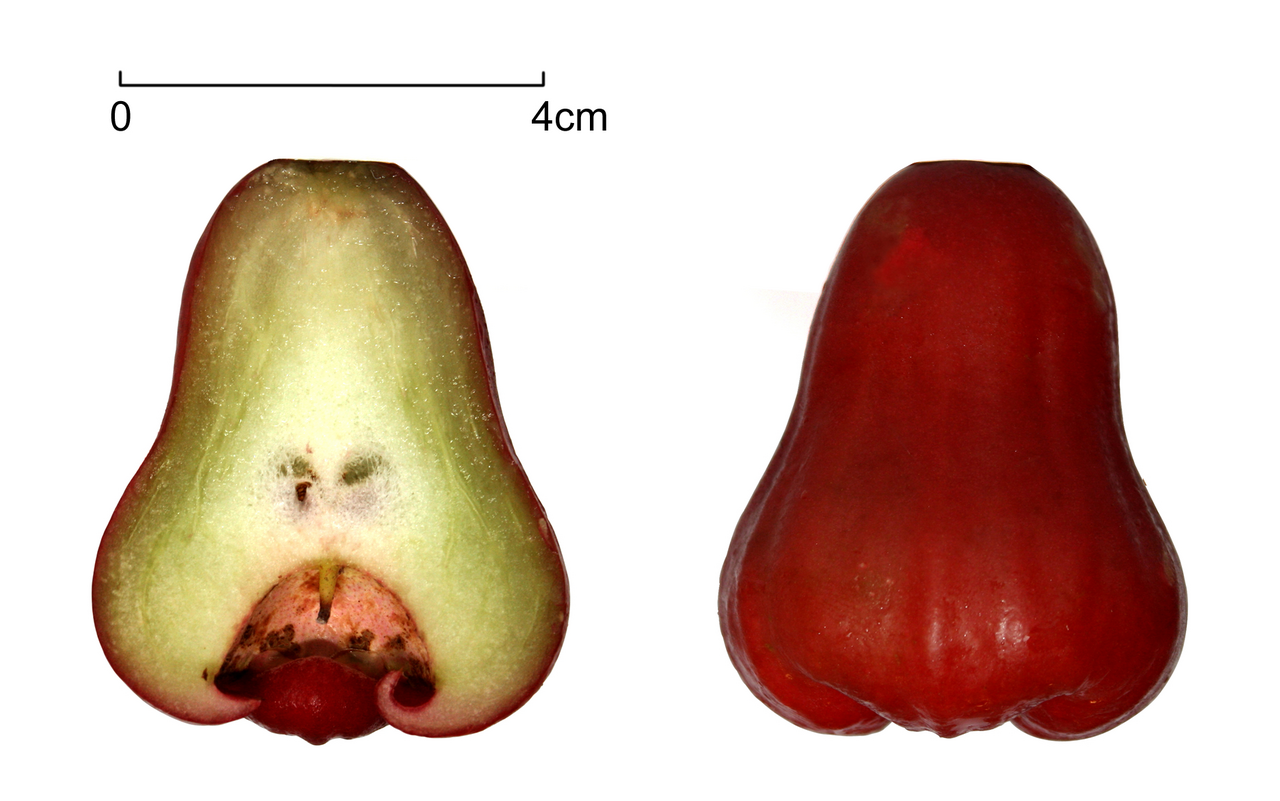
- Fruits: Several species yield edible fruits eaten fresh or used locally — examples include S. cumini (jambolan or Java plum), S. samarangense (wax apple), S. jambos (rose apple) and S. malaccense (Malay apple).
- Ornamental and timber: Many species are planted as street trees or in gardens for flowers and shade; some provide usable timber.
Ecology, cultivation and conservation
Flowers attract pollinators such as bees and nectar-feeding birds; fruits are dispersed by birds and mammals. Syzygium species are typically grown in tropical and warm subtropical climates and prefer well-drained soils and regular moisture. Habitat loss, invasive species and land conversion threaten a number of island endemics and forest specialists, making conservation assessments important for several taxa.
Taxonomy and distinguishing notes
The genus has undergone taxonomic revisions; some species formerly placed in other genera (for example Eugenia in older treatments) have been moved into Syzygium, and vice versa, as botanists refine relationships. Syzygium is distinct from other myrtle relatives by a combination of floral structure, leaf arrangement and fruit type. The name derives from Greek roots meaning "paired" or "yoked," a nod to some morphological feature observed by early classifiers.
Related articles
Author
AlegsaOnline.com Syzygium — tropical genus of flowering trees and shrubs in Myrtaceae Leandro Alegsa
URL: https://en.alegsaonline.com/art/95736