
Sugar cookie
A simple, lightly sweetened cookie made from sugar, flour, butter, eggs and leavening; a versatile base for cutouts, icings and many flavor variations.
Overview
A sugar cookie is a simple, lightly sweetened baked item usually enjoyed as a snack or dessert. Its mild flavor and smooth surface make it an ideal base for decorating, cutting into shapes, or adding subtle flavorings. Home bakers and commercial producers both value the recipe for its predictability and adaptability.
Image gallery
6 Images


Ingredients and characteristics
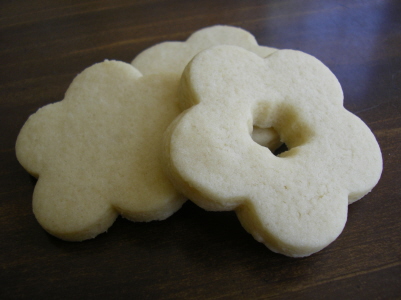
Typical ingredients are granulated sugar, plain flour, softened butter, eggs, vanilla and a chemical leavening agent such as baking powder or baking soda. The balance of fat, sugar and flour plus the mixing method determines whether the finished cookie is crisp, tender or cakey. Because the surface is relatively smooth, sugar cookies readily accept a variety of icings and decorations.
History and development
Variants of sweet, flour-based biscuits or cookies have existed for centuries in many regions. The sugar cookie, as commonly known in North America and parts of Europe, developed from simple butter-and-sugar doughs and became popular for cutout shapes once metal cookie cutters and decorative icings became widespread.
Preparation and baking techniques
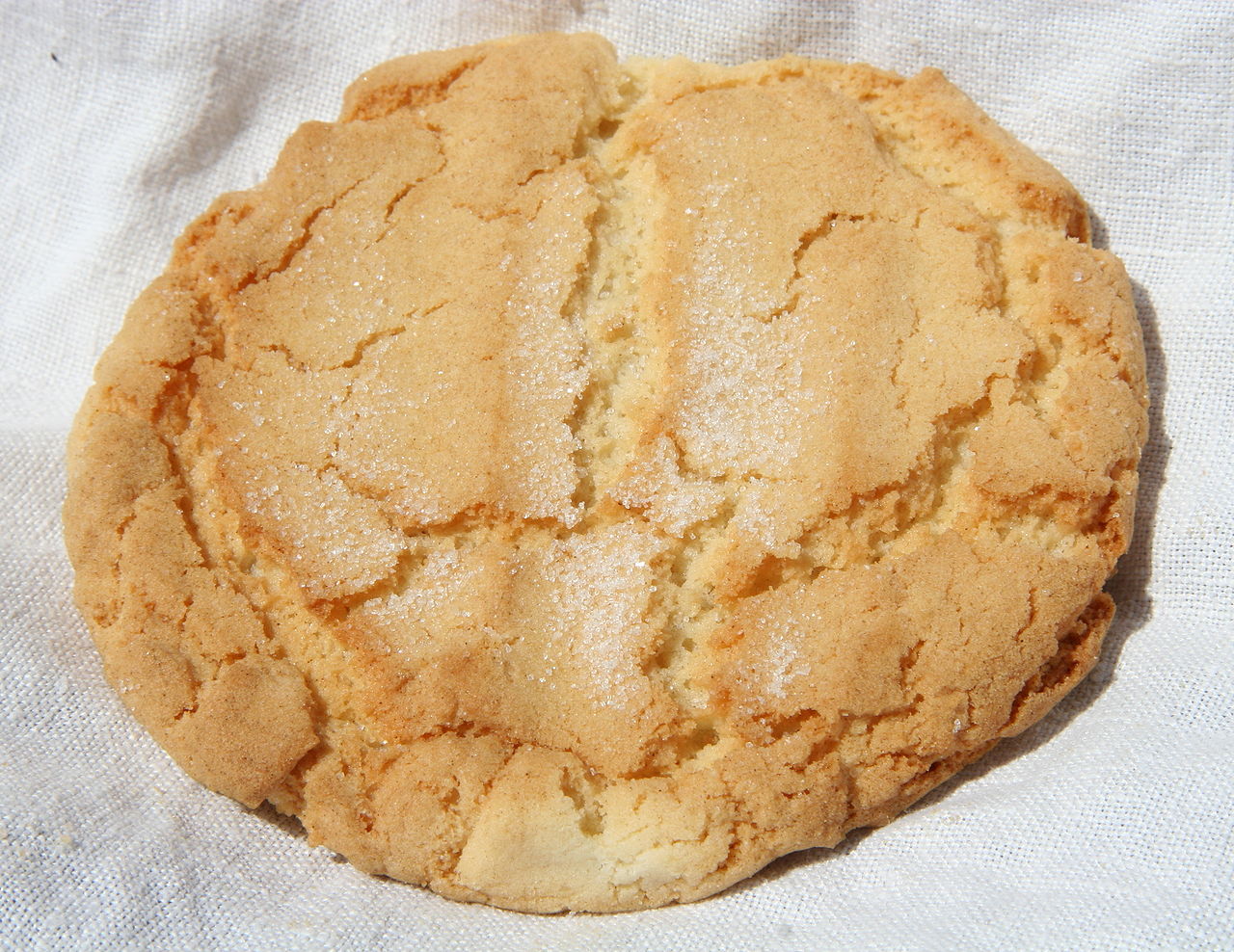
Basic techniques include creaming butter and sugar to incorporate air, chilling dough to reduce spread, and rolling dough to an even thickness for cutouts. Some recipes are "drop" style, spooned onto a sheet for a softer, rounded cookie, while others are rolled and cut for crisp edges. Baking time and oven temperature influence texture; small adjustments change browning and chewiness.
Icing, decoration and common uses
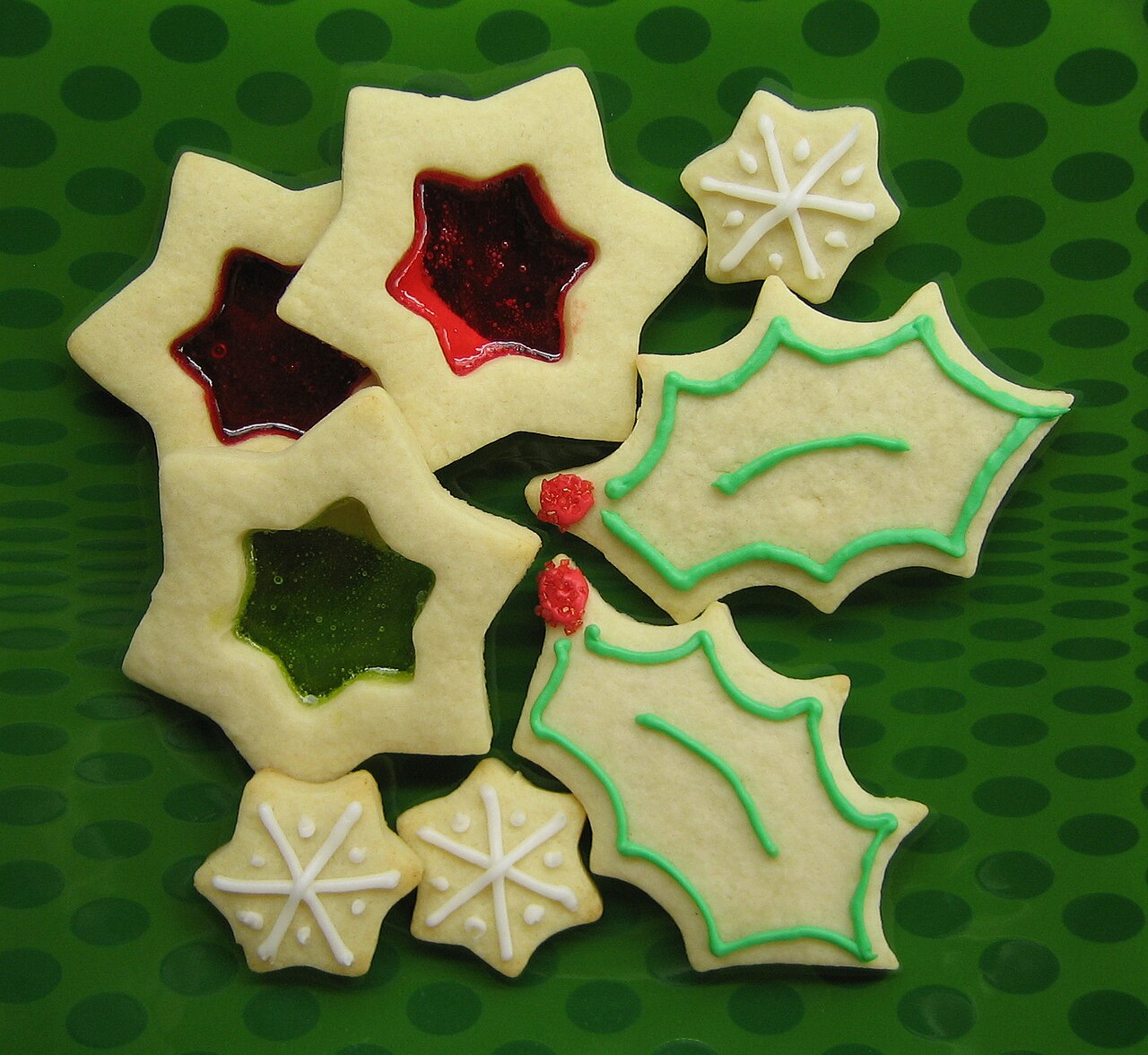
Sugar cookies are frequently iced with royal, glaze or buttercream icings and decorated with piping, sprinkles and food colorings. Flooding techniques yield smooth surfaces for detailed designs, making these cookies popular for holidays, weddings and themed events. The neutral base also allows variations such as adding lemon or almond extract, spices or sandwiching two cookies with a filling.
Variations and examples
- Rolled and cut shapes iced with royal or glaze icing.
- Drop-style sugar cookies with a softer, cake-like crumb.
- Thumbprint cookies with jam, sandwich cookies, or flavored doughs (lemon, almond, spice).
Storage, nutrition and production notes
Stored in an airtight container at room temperature, plain sugar cookies typically stay fresh for several days; decorated cookies with perishable fillings need refrigeration. Nutritional content varies by recipe but sugar, fat and refined flour are principal components. Commercial production scales the same basic formula with equipment and techniques to ensure uniform size, texture and shelf life.
Cultural significance
Because they are easy to shape and decorate, sugar cookies have become associated with seasonal baking and celebrations. From simple home-baked treats to elaborately decorated showpieces, they serve both practical and ornamental roles in baking traditions.
For further general information about the category, see references on the broader topic of cookie recipes and ingredient usage such as flour, butter and sugar.
Related articles
Author
AlegsaOnline.com Sugar cookie Leandro Alegsa
URL: https://en.alegsaonline.com/art/94636
Sources
- allrecipes.com : Easy Sugar Cookies from Allrecipes.com
- foodnetwork.com : Sugar Cookie Recipe from the Food Network
- foodandheritage.com : "historic recipe for jumbles, Fort York"