
Sundae — ice cream dessert with sauce and toppings
A sundae is a sweet ice cream dessert typically topped with sauce, nuts, fruit, or whipped cream. Originating in the late 19th century, it has many variations and remains popular in parlors and restaurants worldwide.
A sundae is a prepared ice cream treat built around one or more scoops of frozen cream that are dressed with sauces, mix-ins and garnishes. As a form of dessert, it emphasizes contrast of temperature and texture: cold ice cream, warm syrups, crunchy nuts and soft whipped cream. Sundaes can be simple and single-scoop or elaborate multi-component creations served in bowls, glasses or on plates.
Image gallery
6 Images
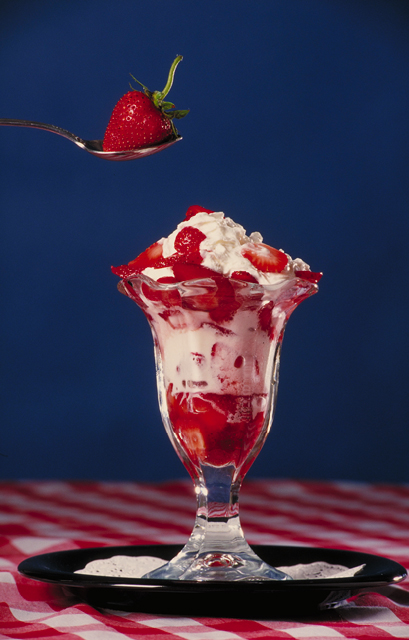


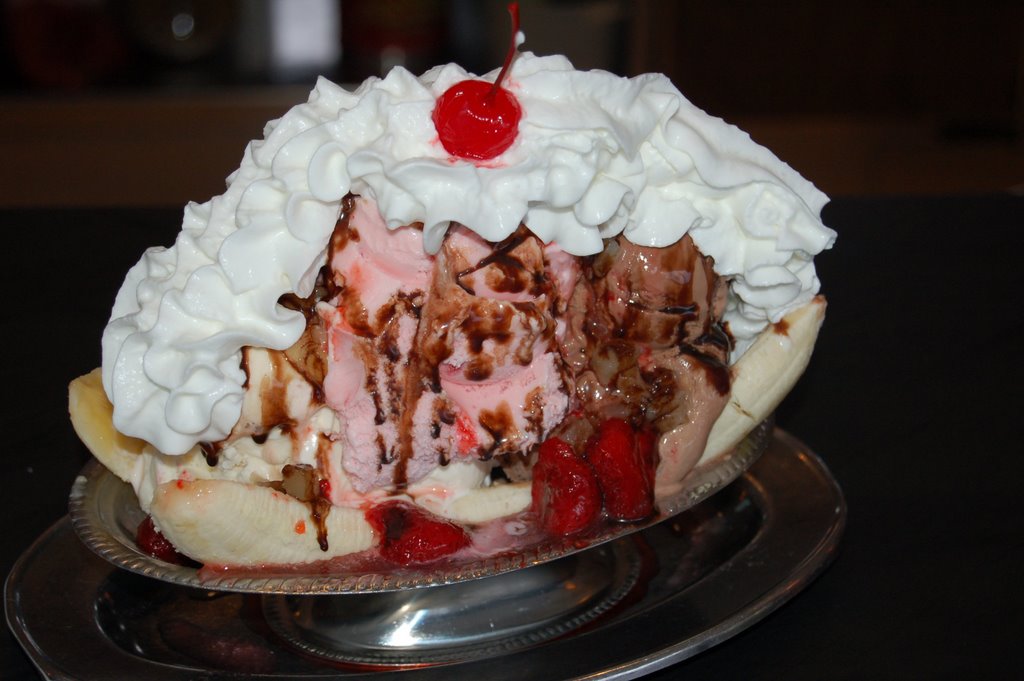

Typical composition
A classic sundae begins with one or more scoops of vanilla, chocolate or other flavored ice cream. Common sauces include hot fudge, caramel, fruit syrups or chocolate syrup. Additional toppings often used are chopped nuts, sprinkles, cookie crumbs, fresh fruit, marshmallow sauce and a maraschino cherry. Many recipes finish with a dollop of whipped cream or a dusting of cocoa. The order of layers—sauce under the ice cream, over the top, or both—affects how each spoonful tastes.
History and origin
The sundae emerged in the United States in the late 19th century alongside soda fountains and ice cream parlors. Multiple towns and shopkeepers have claimed to have invented it; one early, often-cited documentation records a sundae served on Sunday, April 3, 1892. Since then the sundae has evolved from an occasional specialty into a staple menu item, shaped by regional preferences and commercial marketing.
Variations and examples
- Hot-fudge sundae — ice cream topped with warm chocolate sauce and nuts.
- Banana split — a split banana with three scoops and multiple sauces and garnishes.
- Turtle sundae — caramel and pecans combined with chocolate sauce.
- Brownie or cookie sundae — a warm baked base under ice cream and sauce.
Serving, commerce and cultural notes
Sundaes are widely sold in ice cream parlors, diners and many fast-food and casual-restaurant chains. They are a flexible dessert: easily adapted for dietary needs (smaller portions, dairy-free ice creams) and for seasonal or local ingredients. The sundae is also a subject of regional pride and friendly dispute in the U.S., where different cities have claimed to be its birthplace and where local parlors often feature signature versions.
Although closely related to other ice cream preparations such as milkshakes or parfaits, the sundae is defined by its assembly of ice cream plus one or more sauces and a range of final toppings. That combination—cold base, flavorful sauce and textural garnish—explains its lasting popularity and countless variations around the world.
Related articles
Author
AlegsaOnline.com Sundae — ice cream dessert with sauce and toppings Leandro Alegsa
URL: https://en.alegsaonline.com/art/94874