
Sushi: Japanese vinegared rice dishes and their varieties
Sushi is a Japanese cuisine based on vinegared rice combined with seafood, vegetables or other ingredients. This entry explains ingredients, common types, etiquette, history and global spread.
Overview
Sushi is a culinary tradition from Japan in which specially prepared rice flavored with vinegar is combined with other ingredients. The Japanese word commonly rendered as “sushi” emphasizes the vinegar-seasoned rice rather than any single topping. While many people associate sushi with raw seafood, the term covers a wide range of preparations that may include cooked fish, shellfish, vegetables, egg and fermented or cured items.
Image gallery
10 Images


Ingredients and preparation
At the core of sushi is sumeshi (vinegared rice), made by mixing steamed short-grain rice with a dressing of rice vinegar, salt and sugar. Rice texture and seasoning are important: it should be slightly sticky and balanced in acidity. Nori, a dried seaweed sheet, is commonly used to wrap or support pieces of sushi; the term nori refers specifically to this seaweed product. Typical condiments include soy sauce, a green paste of wasabi and pickled ginger often called gari or gari in dining contexts. Ingredients placed on or inside rice range from tuna and salmon to roe, sea urchin and various vegetables such as cucumber and avocado.
Common types of sushi
- Nigirizushi — hand-pressed rice topped with a slice of fish or other garnish; a classic and widely recognized form that often appears in high-end sushi bars.
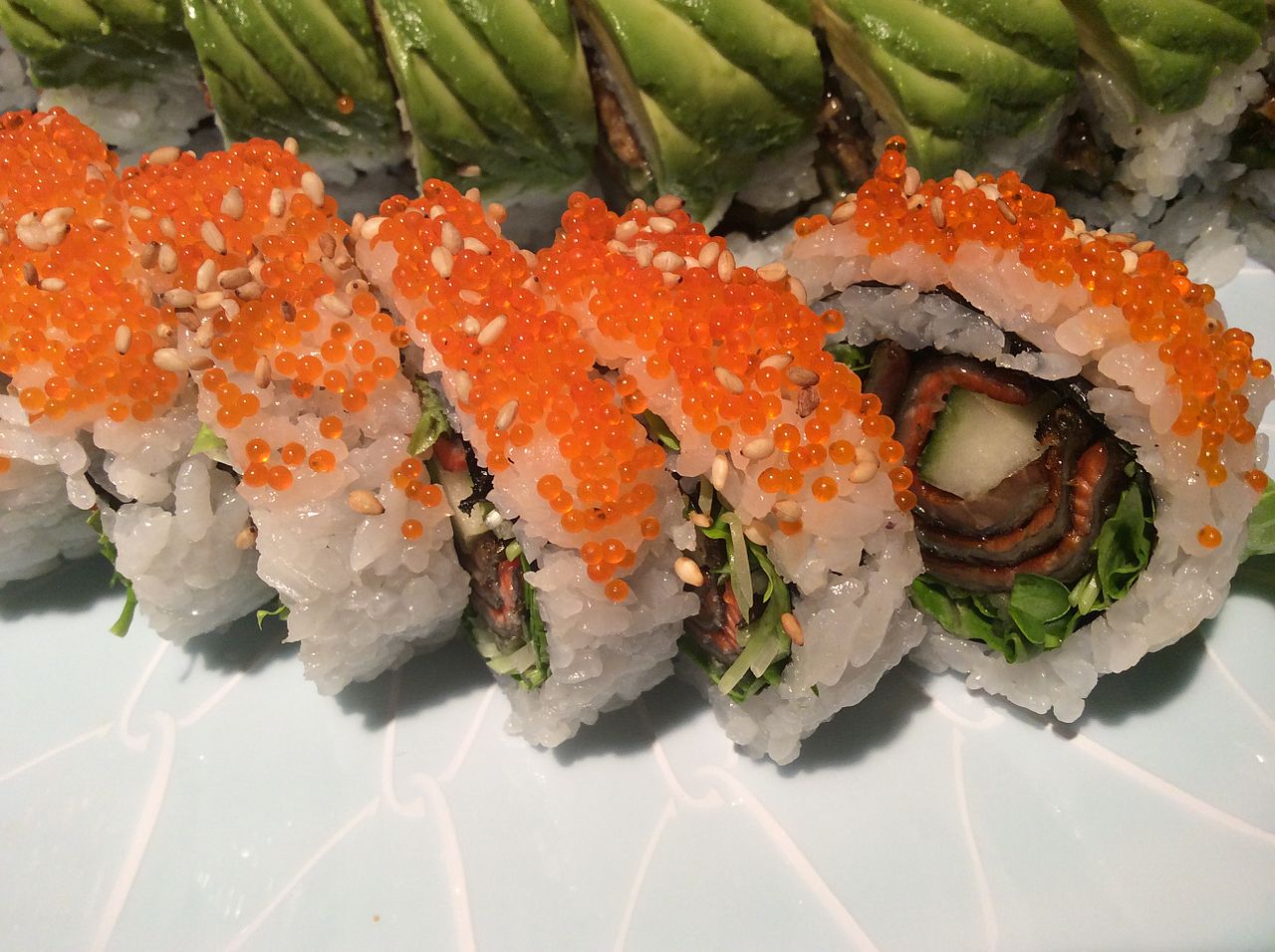
- Makizushi — rice and fillings rolled in nori and sliced into rounds; this category includes hosomaki (thin rolls) and futomaki (thick rolls). In the United States and elsewhere, maki-style rolls are especially popular and frequently feature nontraditional fillings.
- Temaki — cone-shaped hand rolls wrapped in nori, eaten by hand rather than with chopsticks.
- Sashimi — thinly sliced raw fish served without rice; often offered alongside sushi but technically distinct because it omits the rice.
Etiquette and service
Sushi can be eaten with the fingers or with chopsticks. When dipping nigiri into soy sauce, it is customary to tilt the piece so only the topping, not the rice, touches the sauce to preserve balance and texture. A small dab of wasabi may be placed between fish and rice by the chef; additional wasabi is optional. Gari, the thinly sliced pickled ginger, is intended as a palate cleanser between different pieces rather than as a garnish to be layered atop a slice of fish.
History and cultural development
Sushi evolved over centuries from preservation methods that used fermented rice and fish. The contemporary forms—vinegared rice with fresh toppings—took shape in Japan and became especially associated with urban eateries in the 18th and 19th centuries. Over the 20th century sushi spread internationally and adapted to local tastes, giving rise to variants that incorporate regional ingredients and presentation styles. Conveyor-belt restaurants, known in Japanese as kaiten zushi, introduced affordable and casual service by placing plates on a moving belt so patrons can select items directly.
Importance and distinctions
Sushi occupies a range of culinary roles from fast casual food to refined omakase (chef’s choice) dining. It is linked to seasonality and freshness—qualities prized by chefs and diners alike. Distinguishing sushi from related items is useful: sashimi lacks rice, chirashi is scattered toppings over a bowl of seasoned rice, and modern fusion rolls may blend flavors and ingredients from many cuisines. For more details on preparation techniques, ingredient sourcing and dining customs consult resources on traditional Japanese cuisine and contemporary sushi practice via traditional sources and specialized guides such as vegetable-based sushi, regional surveys at fish markets, restaurant directories at national guides, and explanatory pages on rice handling at rice preparation. Further reading on condiment roles and regional adaptation is available at vinegar use, seafood handling, and etiquette primers at international dining guides.
Practical notes
When trying sushi for the first time, seek out reputable restaurants or knowledgeable vendors and ask about freshness and sourcing. Those with dietary restrictions should inquire about raw items, marinades and cross-contamination. Sushi’s appeal lies in its simplicity and the skill required to balance rice, topping and seasoning; appreciating it fully often involves attention to texture, aroma and proportion.
Questions and answers
Q: What does the word "Sushi" mean?
A: The word "Sushi" comes from the Japanese words "Su" (酢) meaning vinegar, and "Meshi" (飯), meaning rice.
Q: How is Sushi made?
A: Sushi is made with specially prepared rice, called sumeshi (酢飯). The rice is mixed with vinegar, salt, and sugar. It can also contain raw or cooked seafood as well as non-fish foods such as vegetables.
Q: What are some different types of sushi?
A: Some common types of sushi include nigirizushi (握り寿司), which consists of fish meat placed on top of a small portion of sumeshi; makizushi (巻き寿司), which consists of sumeshi rolled around fish and/or vegetables; and temaki (手巻き) or hand roll, which comes in a cone-shape created by nori wrapped around the ingredients inside.
Q: How do you eat sushi?
A: Sushi is traditionally eaten by hand but it can also be eaten using chopsticks. Soy sauce and wasabi are commonly eaten with sushi while gari (sweet pickled ginger) can often be found alongside a plate of sushi to act as a palate cleanser.
Q: Is there an alternative way to serve sushi other than plates?
A: In Japan, sushi is sometimes sold in "conveyor-belt shops" called kaiten zushi (回転寿司). Plates of sushi are put on a moving belt that passes by the customers where they freely take what they want as it passes. The color of the plate shows the price of the sushi. This way of serving sushi is becoming more popular in other countries too.
Q: Does Gari have to be eaten with chopsticks?
A: Yes, Gari must be eaten with chopsticks.
Related articles
Author
AlegsaOnline.com Sushi: Japanese vinegared rice dishes and their varieties Leandro Alegsa
URL: https://en.alegsaonline.com/art/95282