
Cookie: overview, ingredients, history, varieties and culinary uses
A cookie is a small, sweet baked good made from flour, sugar and fat. This article explains ingredients, preparation, history, common varieties, serving uses and how the term differs by region.
Overview
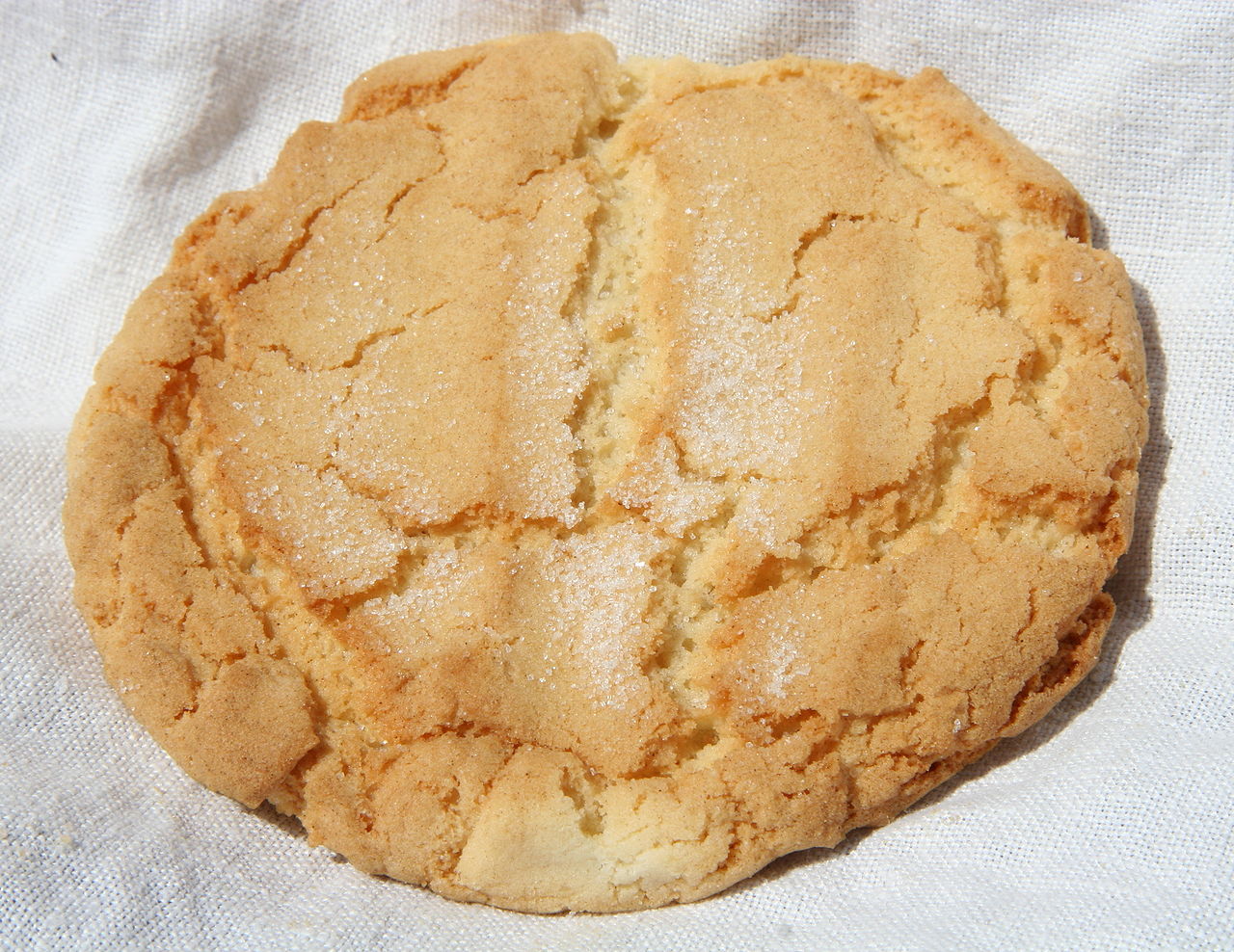
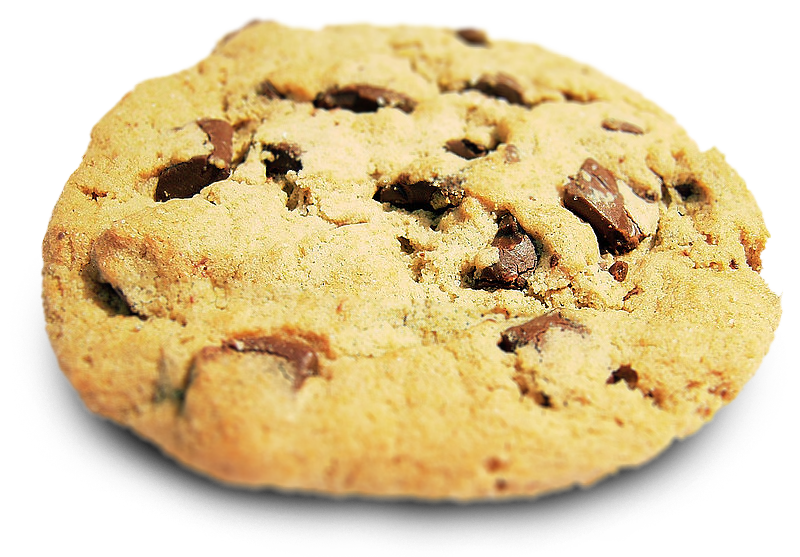
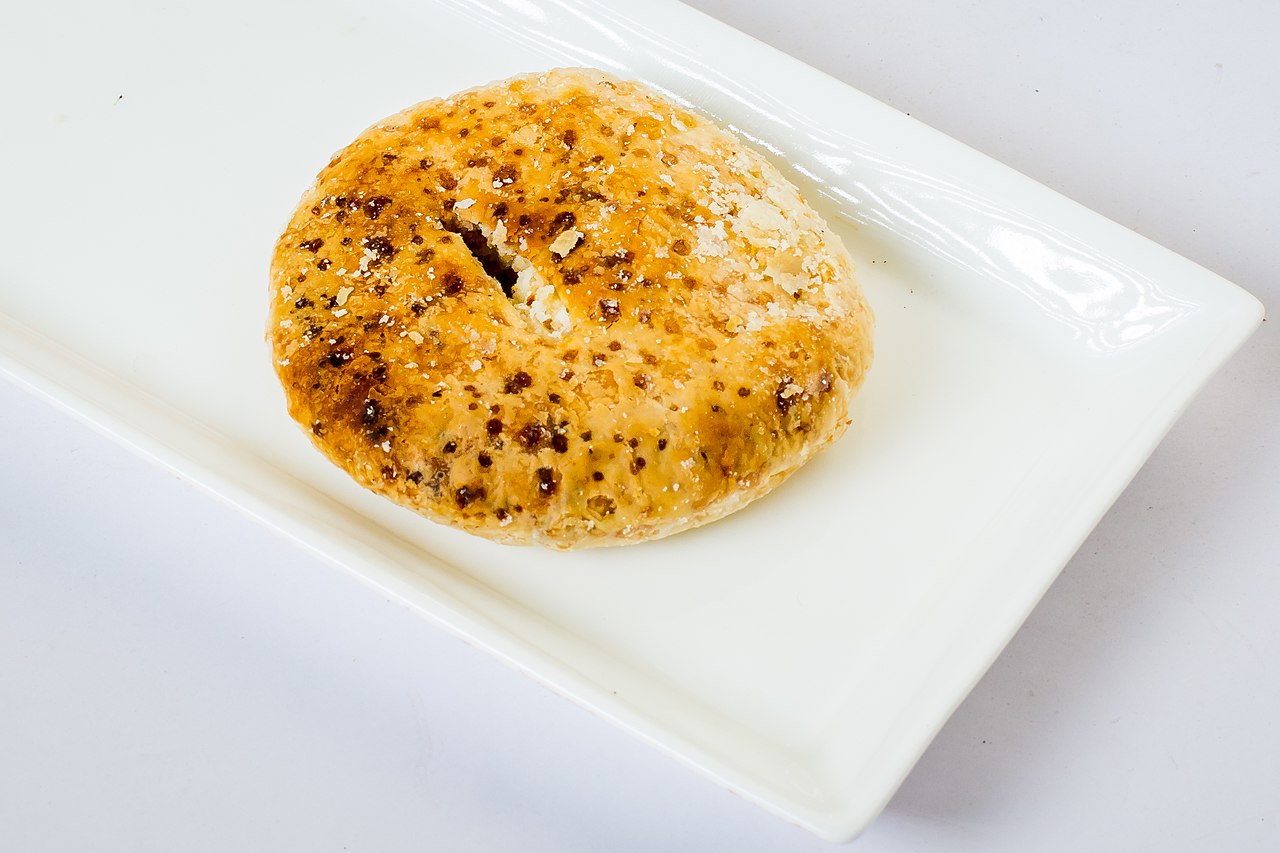
A cookie is a small, sweet baked item traditionally made from a dough of flour, sugar and fat. In many places cookies are eaten as snacks or desserts and may be crisp, chewy or soft depending on the recipe. The word "cookie" is commonly used in North America, while the same class of baked goods is often called "biscuit" in other English-speaking countries; regional naming and recipes vary widely. For recipes and modern variations see cookie recipes.
Image gallery
10 Images





Ingredients and characteristics
Basic cookies share a few core components and optional flavourings. Typical ingredients include:
- Flour (all-purpose or specialty flours) — the structural base, see flour types.
- Sugar (white, brown or other sweeteners) for sweetness and texture.
- Fat (butter, margarine or oil) to tenderize and carry flavour.
- Leavening (baking soda or powder), eggs and salt for structure and taste.
Preparation and baking
Cookie doughs are mixed, portioned and then baked in an oven at moderate temperature. Methods differ: some doughs are rolled and cut, others are dropped by spoonfuls, while sandwich or molded cookies require shaping. Ovens, timing and dough temperature all influence the final texture; for notes on equipment see oven and baking guides.
History and development
Cookies evolved from small test cakes and later became distinct in many baking traditions. They spread through trade and home baking, developing regional specialties and techniques. Over time, industrial production created mass-market varieties as well as artisan and home-baked recipes. Cultural exchanges shaped flavours and formats around the world; see regional naming differences such as in the United States and Canada versus other countries at North American usage and other English usages.
Varieties, uses and notable distinctions
Common types include drop cookies (e.g., chocolate chip), rolled cookies (e.g., sugar cookies), bar cookies (e.g., brownies, blondies), sandwich cookies and crisp biscuits. Cookies are served plain, with beverages, as gifts or used in recipes (crumb crusts, ice cream sandwiches). Important distinctions exist between cookies, biscuits, crackers and cakes based on texture, sweetness and cultural naming.
Related articles
Author
AlegsaOnline.com Cookie: overview, ingredients, history, varieties and culinary uses Leandro Alegsa
URL: https://en.alegsaonline.com/art/22880
Sources
- simple.wiktionary.org : simple.wiktionary.org/wiki/Special:Search/Cookie
- commons.wikimedia.org : commons.wikimedia.org/wiki/Special:Search/Cookie
- en.wikinews.org : en.wikinews.org/wiki/Special:Search/Cookie
- en.wikiquote.org : en.wikiquote.org/wiki/Special:Search/Cookie
- en.wikisource.org : en.wikisource.org/wiki/Special:Search/Cookie
- en.wikibooks.org : en.wikibooks.org/wiki/Special:Search/Cookie
- en.wikiversity.org : en.wikiversity.org/wiki/Special:Search/Cookie
- foodtimeline.org : foodtimeline.org/foodcookies.html