
Sugarcane juice: extraction, uses, and cultural significance
Fresh liquid pressed from sugarcane stalks. Overview of production, composition, regional names, culinary and industrial uses, storage and safety, and regulatory notes.
Overview
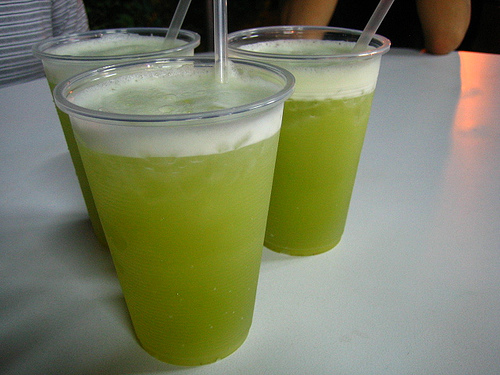
Sugarcane juice is the natural liquid extracted by crushing the fibrous stalks of the sugarcane plant (sugarcane). Consumed fresh as a sweet beverage in many tropical and subtropical regions, it also serves as a feedstock in food processing and an intermediate in fuel and sugar manufacture. The drink is most common where the crop is grown commercially, particularly in parts of Southeast Asia, India, northern Africa and much of Latin America.
Image gallery
9 Images




Characteristics and composition
Fresh sugarcane juice contains a mixture of sugars (mainly sucrose, with smaller amounts of glucose and fructose), water, minerals such as potassium and calcium, and trace vitamins. Its flavour is sweet and vegetal; vendors often mix it with citrus, ginger, mint or spices. Because it is an unfermented, perishable liquid, the juice should be consumed soon after extraction or preserved by refrigeration or pasteurization.
Extraction, by-products and equipment
Extraction is performed by mechanical presses that crush stalks between rollers. Small-scale vendors use hand-cranked or gasoline-driven mills; larger operations employ industrial crushers. The fibrous residue left after pressing is called bagasse and is commonly burned for heat or used in paper and board production. In some regions bagasse fuels boilers that generate electricity for processing plants.
Regional names, culinary uses and examples
Local names reflect linguistic and culinary traditions: in many Spanish-speaking countries the drink is called guarapo or guarapa (guarapo), while in Portuguese-speaking areas it is known as garapa (garapa). Preparations vary: street vendors often serve chilled juice with lime, chili or herbs; in home cooking the juice can be concentrated into syrups or reduced to solid forms such as panela, jaggery or rapadura.
Industrial and fuel uses
Beyond direct consumption, sugarcane juice is a raw material for sugar and alcohol production. In some countries laboratories and factories convert juice into ethanol by fermentation and distillation; Brazil is a prominent user of sugarcane-derived ethanol in transport and industry (Brazilian labs and plants). Ethanol produced from cane juice or its derivatives is often promoted as a renewable fuel source (ethanol, fuel).
Health, safety and regulatory notes
Fresh sugarcane juice is nutrient-dense and high in calories from sugars, so it contributes energy but should be moderated by people with diabetes or those watching sugar intake. Because it is perishable and extracted in informal settings, hygienic handling is important to prevent contamination; pasteurization and rapid cooling reduce microbial risk. In packaged foods and ingredient labeling, regulatory bodies have also cautioned against misleading terminology: for example, the term "evaporated cane juice" has been criticized as implying a fruit or vegetable juice rather than a processed sweetener, and some agencies prefer the term cane sugar or similar phrasing.
Notable distinctions
- Fresh juice versus processed cane products: fresh-pressed juice differs from cane syrups, molasses and processed sugar in composition and use.
- Cultural role: in many countries sugarcane juice is a seasonal street-food staple and part of local festivals and markets.
- By-products and sustainability: bagasse provides a renewable biomass for heat and power within mills, improving energy efficiency.
Whether enjoyed as a chilled street refreshment or used as an industrial feedstock, sugarcane juice occupies a range of culinary and economic roles across sugarcane-growing regions. For further reading, see regional sources and technical literature on sugarcane agriculture and food safety practices (plant information, regional agriculture, cultivation).
Questions and answers
Q: What is sugarcane juice?
A: Sugarcane juice is the liquid extracted from pressed sugarcane.
Q: Where is sugarcane grown commercially?
A: Sugarcane is grown commercially in Southeast Asia, India, Northern Africa, and Latin America.
Q: What is sugarcane juice called in Spanish-speaking countries?
A: In Spanish-speaking countries, sugarcane juice is usually called Guarapo or Guarapa.
Q: What is the preferred term for sugarcane syrup in the United States?
A: The FDA regards "juice" as a liquid derived from fruits or vegetables, so the preferred term for sugarcane syrup in the United States is "cane sugar".
Q: Why does the FDA consider "evaporated cane juice" to be misleading?
A: The FDA considers "evaporated cane juice" to be a misleading term for "sugar" on product labels.
Q: What are other names that can refer to palm syrup?
A: Other names that can refer to palm syrup are Guarapo and Garapa.
Q: What is sugarcane juice used for in Brazil?
A: In Brazil, laboratories use sugarcane juice to make ethanol fuel.
Related articles
Author
AlegsaOnline.com Sugarcane juice: extraction, uses, and cultural significance Leandro Alegsa
URL: https://en.alegsaonline.com/art/94645