
Stronghold: fortified places, types, history and cultural role
A stronghold is any heavily fortified place—castle, fortress, citadel or modern defensive line—used for military defense, administration, refuge and symbolic power from antiquity to the 20th century and beyond.
A stronghold is any place deliberately fortified to resist attack and protect occupants, supplies or territory. The term commonly evokes the medieval castle, but it also covers ancient citadels, city walls, forts and modern defensive complexes. Fortifications have existed since antiquity, adapting to changes in weapons, siegecraft and political organization.
Image gallery
10 Images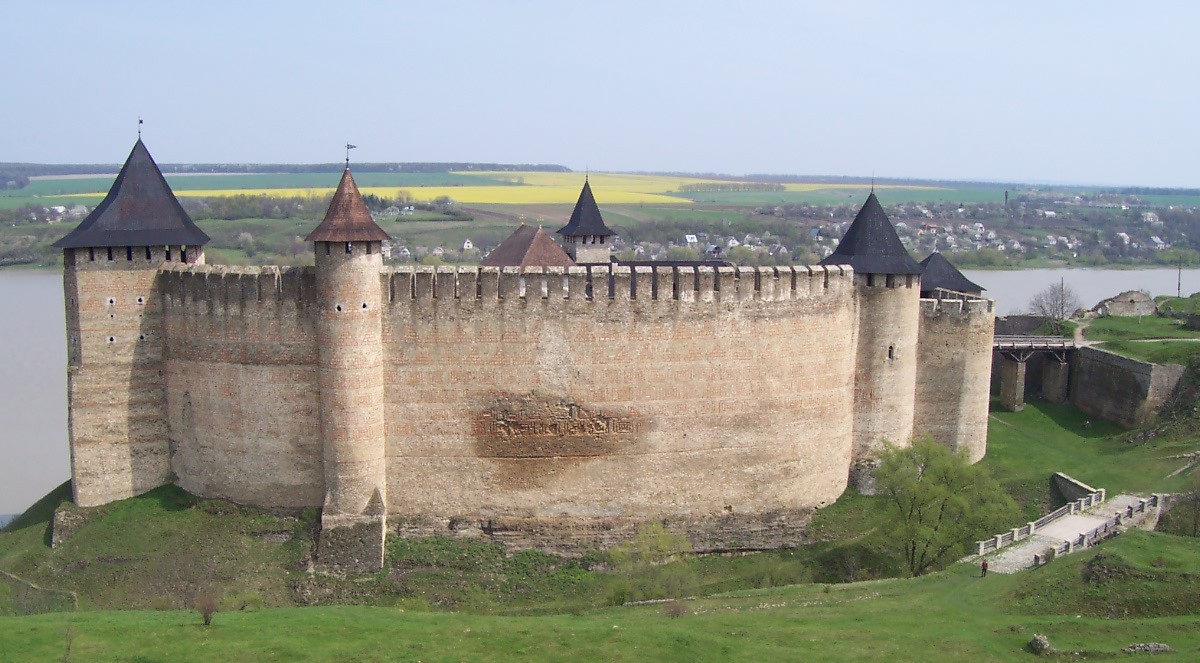


Structure and common features
Strongholds share architectural elements intended to delay attackers and give defenders advantage. Typical components include curtain walls, towers and bastions for flanking fire, a central keep or donjon, gatehouses with portcullises, moats or ditches and sally ports for sorties. Over time designs incorporated earthworks, angled walls and layered defenses to counter artillery and explosives.
Social role and occupants
Beyond military function, many strongholds served as residences and centers of government. In medieval Europe a castle often housed the king or acted as the seat of a territorial lord, collecting taxes and administering law. Fortified towns and citadels could shelter civilian populations during campaigns and became focal points for trade and administration.
Historical development
Fortification evolved across eras: from walled cities and hill forts in antiquity through motte-and-bailey and concentric castles in the Middle Ages, to trace italienne or star forts in the early modern period designed against cannon. In the 20th century, large defensive systems and hardened bunkers exemplify the stronghold concept on an industrial scale—most famously the Maginot Line constructed in the 20th century.
Types, uses and modern legacy
- Motte-and-bailey and medieval keeps: quick to build, centered on a raised mound.
- Concentric fortresses: multiple rings of defense around a central stronghold.
- Star forts and bastioned works: shaped to deflect and absorb artillery fire.
- Bunkers and fortified lines: reinforced concrete and underground galleries for modern warfare.
Today many historical strongholds are heritage sites, museums or repurposed buildings while the concept survives in military engineering, law enforcement terminology and metaphorical use—for example describing a political or cultural bastion. The word also appears in popular culture: Stronghold is the title of a series of castle-building video games by Firefly Studios, which draws on medieval architecture and siege mechanics.
Related articles
Author
AlegsaOnline.com Stronghold: fortified places, types, history and cultural role Leandro Alegsa
URL: https://en.alegsaonline.com/art/94326