
Taliesin (Frank Lloyd Wright’s Spring Green studio and estate)
Taliesin, Frank Lloyd Wright’s rural estate in Spring Green, Wisconsin, was his summer home, studio, and the site of his fellowship and many important works and restorations.
Overview
Taliesin is the name of the rural estate and studio that Frank Lloyd Wright created near Spring Green in Wisconsin. Built beginning in 1911, Taliesin served as Wright’s summer residence and principal workshop for decades. The name, drawn from a legendary Welsh bard, is often translated as "shining brow," a phrase Wright used to describe the house’s position on the landscape.
Image gallery
10 Images





Architecture and layout
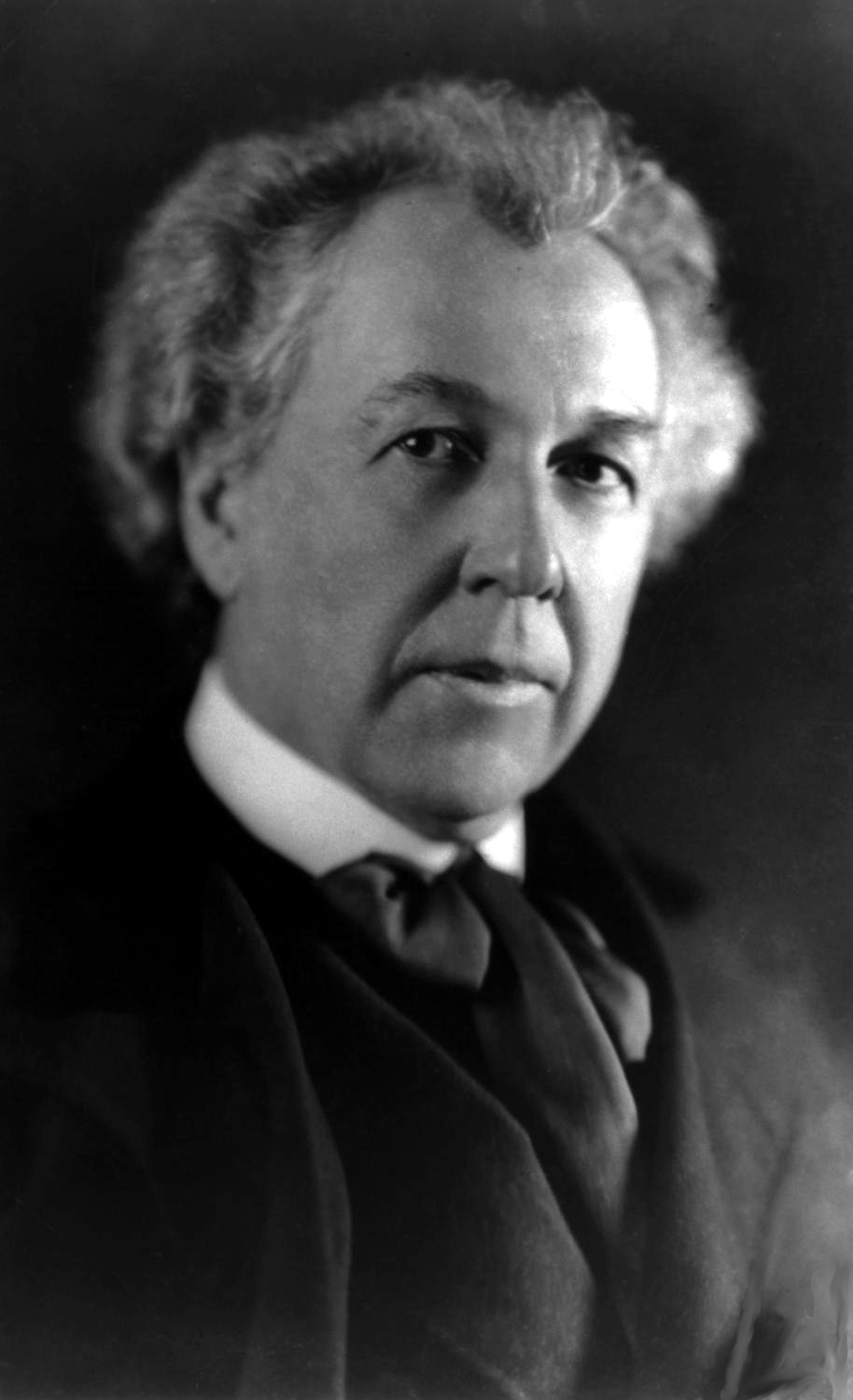
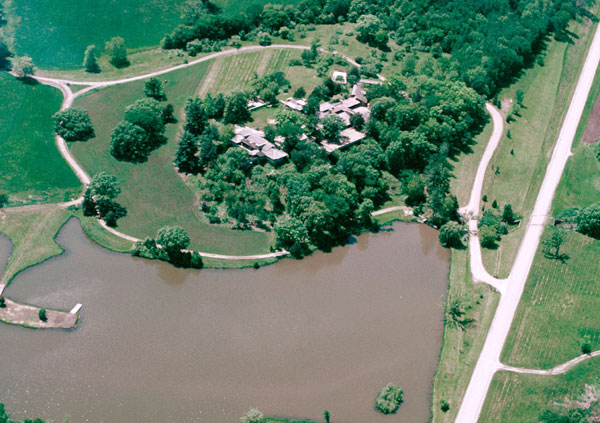
Designed by the American architect Frank Lloyd Wright, Taliesin grew over time as a complex of residences, studios, and agricultural buildings adapted to the rolling Wisconsin terrain. Wright relocated from his earlier home and studio in Oak Park, Illinois, and conceived Taliesin as an experiment in integrating structure with site, using local limestone, low horizontal lines and long porches. The ensemble includes living quarters, a drafting studio, servant and farm buildings, and later additions reflecting Wright’s evolving ideas about organic architecture.
History and events
Work on Taliesin began in 1911 after Wright left his first marriage. The estate’s history is marked by cycles of construction, disaster, and restoration: fires and structural damage occurred at various times, and the site is also remembered for the 1914 murder of several household members and guests—an event that had a profound personal and public impact on Wright and his circle. In the 1930s Wright established an apprenticeship program at Taliesin that became known as the Taliesin Fellowship, a formative school of practice for many architects.
Significance and works developed there
Taliesin functioned as more than a home: it was a laboratory for design. Several important projects were conceived, developed or detailed at Taliesin, including early experiments that led to Wright’s Usonian houses. Notable works associated with Wright’s work at or from Taliesin include:
- Fallingwater (concept and details)
- Solomon R. Guggenheim Museum (design development)
- Johnson Wax Headquarters (planning and models)
- The first Usonian house design, such as the Herbert and Katherine Jacobs house near Madison
Related places and later developments
As Wright’s career expanded he created a companion winter campus, Taliesin West, established in 1937 near Scottsdale in Arizona, which served similar educational and studio functions in a desert setting. Together these sites illustrate Wright’s regional responses to climate and landscape and his pedagogical approach to training. Today Taliesin is preserved for public tours, study, and continuing conservation.
Visiting and legacy
Taliesin remains an important destination for students of architecture and the public. Tours and programs offered on site interpret Wright’s methods, the estate’s complicated history, and its role in 20th-century architecture. For more local context see resources about Spring Green and Wisconsin, and for Wright’s biography and other sites consult materials about the architect and related projects.
Related links: Summer home context | Architect role | Oak Park origins | Taliesin West
Related articles
Author
AlegsaOnline.com Taliesin (Frank Lloyd Wright’s Spring Green studio and estate) Leandro Alegsa
URL: https://en.alegsaonline.com/art/96127