
Suspension bridge: design, history, components, and uses
A suspension bridge supports its deck using cables hung from towers and anchored at the ends. Evolved from simple rope crossings into modern long-span steel structures used for roads, rail and pedestrians.
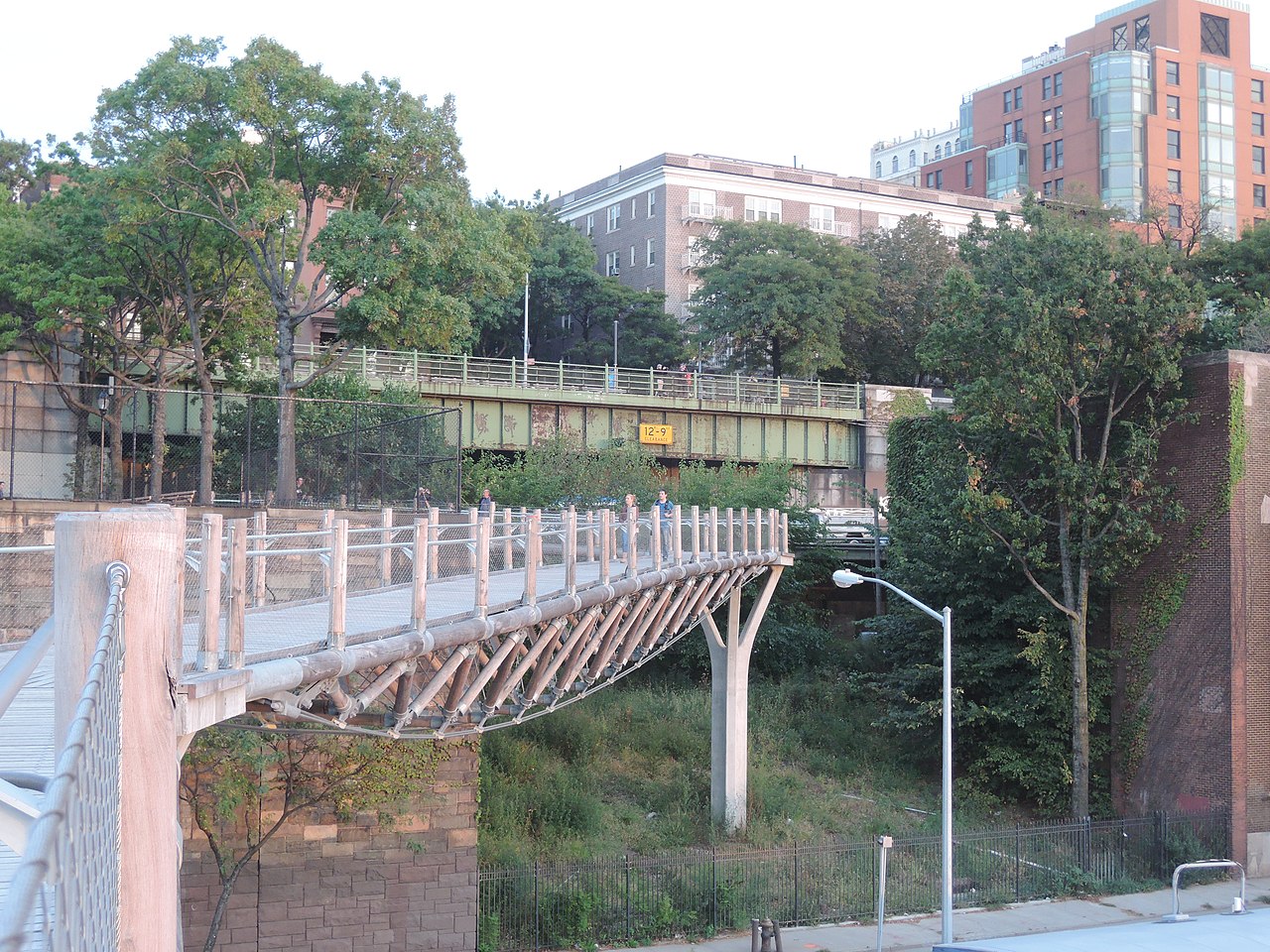
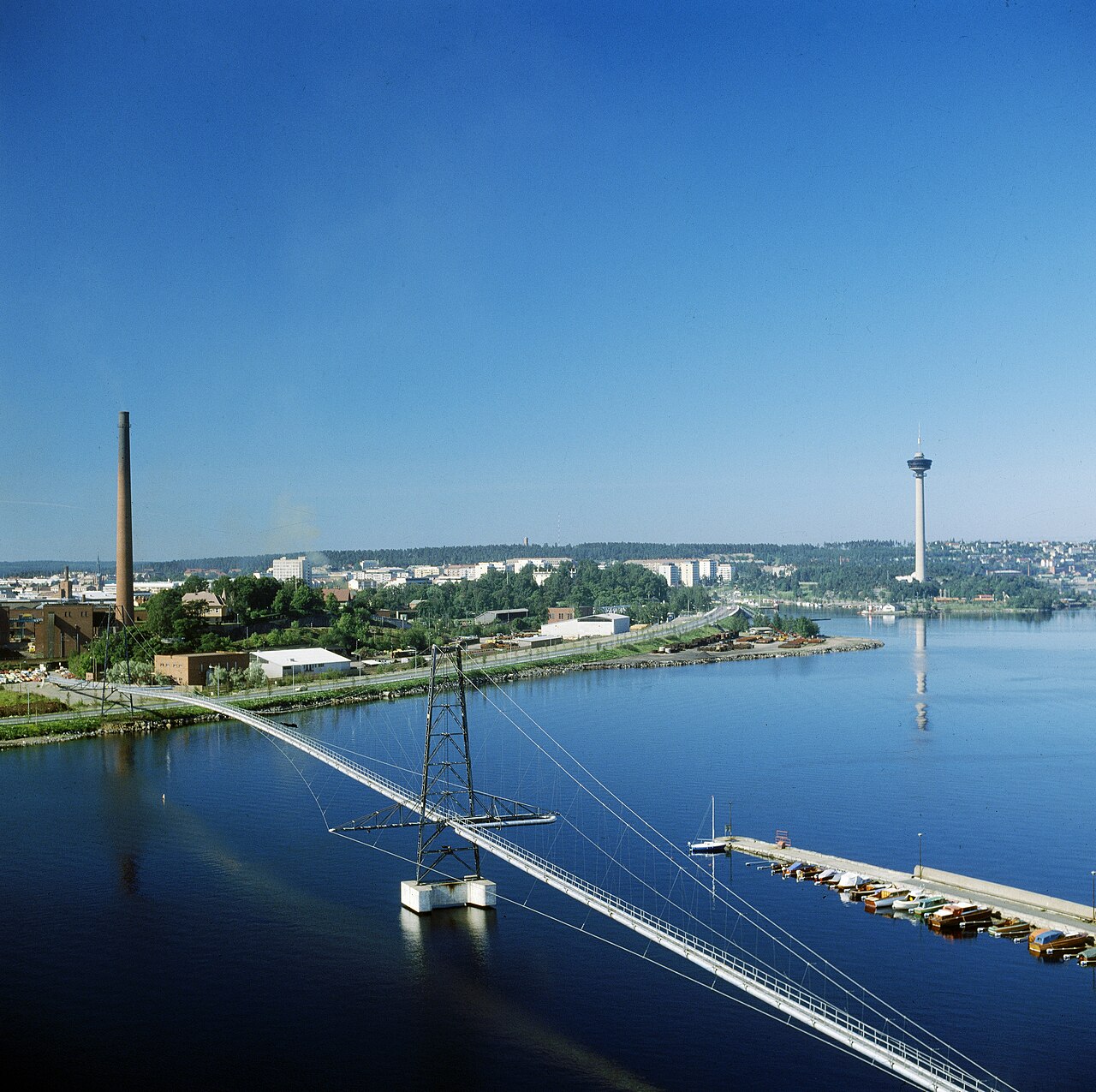
A suspension bridge is a structure in which the roadway (or deck) is held up by cables that hang between towers and are secured at anchorages on each end. This arrangement lets the deck span long distances with a relatively slender profile. Simple forms of suspension bridge have existed for centuries and still appear in rustic pedestrian crossings, while the modern suspended-deck suspension bridge—built with iron or steel wire rope and stiffening elements—permits some of the longest spans in the world. See a general overview at suspension bridge.
Image gallery
10 Images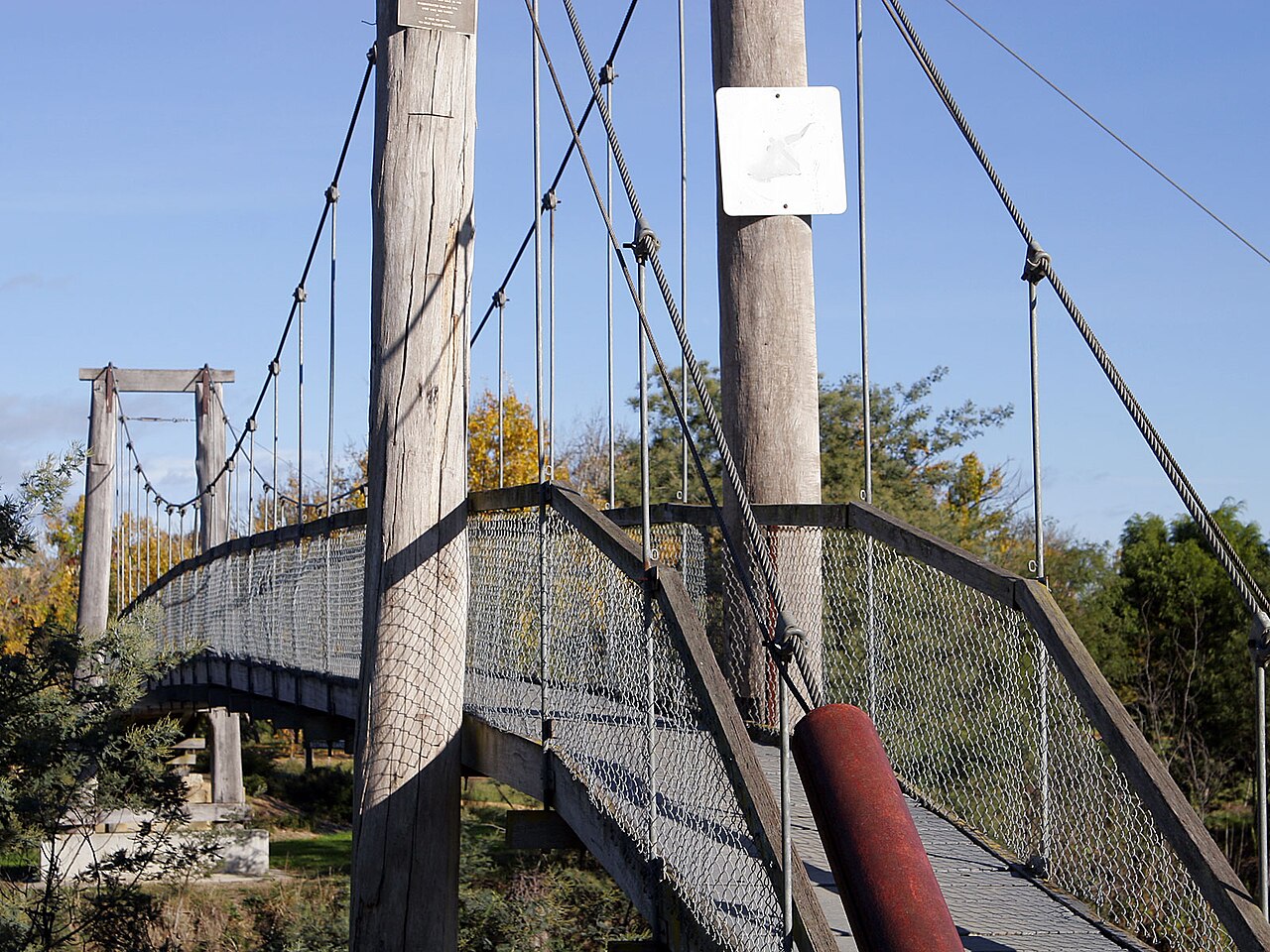






Key components and appearance
The principal parts of a typical suspended-deck suspension bridge are:
- Towers or pylons that carry the weight of the main cables;
- Main cables draped in a catenary curve between towers and anchored at both ends;
- Suspenders or hangers that connect the main cables to the deck;
- Deck that supports traffic and transfers load to the suspenders;
- Anchorages that secure cable ends into the ground or massive structures.
Historical development
Simple rope and vine suspension crossings have been used by many cultures for centuries; traditional examples include mountain footbridges used by Andean communities. The Inca rope bridge is a well-known early form and modern pedestrian examples are still built inspired by that tradition: Inca rope bridge. Construction of crude suspension spans for pedestrians and livestock dates back to antiquity—sources point to rudimentary forms in the ancient world. The industrial era brought durable wire rope, iron, and steel, and during the early 19th century engineers refined the suspended-deck design into the form commonly seen today.
Uses, advantages and limitations
Suspension bridges are especially useful where a long uninterrupted span is required, such as over wide rivers, shipping channels or deep gorges: they are commonly chosen to cross rivers or canyons. Advantages include efficient material use for long spans, an open navigational clearance beneath the deck, and a graceful aesthetic. Limitations include the need for strong anchorages, susceptibility to wind-induced motion unless properly stiffened, and ongoing maintenance to protect cables and other steel components from corrosion.
Distinctions and notable examples
Suspension bridges differ from cable-stayed bridges in how the cables connect: in a cable-stayed design, cables run directly from towers to the deck in straight lines, while in a suspension bridge the deck hangs from a continuous main cable. Famous modern examples demonstrate the range and scale of suspension types; one well-known record-holder is the Akashi Kaikyō Bridge, cited as the world's longest suspension bridge by main span length: Akashi Kaikyō Bridge. Engineering lessons from historical failures and successes have led to aerodynamic testing and stiffening measures that greatly improve safety and comfort for users.
Inspection, maintenance and modern practice
Contemporary practice emphasizes regular inspection of cables, anchorages and bearings, painting or coating to prevent corrosion, and structural health monitoring on major crossings. Designers balance material economy and stiffness to control deflection, vibration, and wind response. Smaller pedestrian suspension bridges continue to be valued for low-cost crossings and trail access, while large vehicular suspension bridges remain a hallmark solution when bridging very long distances is required.
For further reading about types, design details and examples, consult engineering resources and historical surveys of bridge construction at general portals such as suspension bridge or topic-specific pages represented by pedestrian bridges and site histories like river crossings.
Questions and answers
Q: What is a suspension bridge?
A: A suspension bridge is a type of bridge that is suspended from two high locations over a river or canyon.
Q: When were suspension bridges first made?
A: Suspension bridges have been made since ancient times as early as 100 AD.
Q: Are simple suspension bridges suitable for modern roads and railroads?
A: No, simple suspension bridges, which follow a shallow downward arc, are not suited for modern roads and railroads.
Q: When was the modern suspended-deck suspension bridge developed?
A: The modern suspended-deck suspension bridge was developed in the early 19th century.
Q: What is the advantage of the suspended-deck suspension bridge over other kinds of bridges?
A: The suspended-deck suspension bridge can cross a longer span than other kinds of bridges.
Q: Which is the world's longest suspension bridge?
A: The Akashi Kaikyō Bridge is the world's longest suspension bridge.
Q: Are ancient Inca rope bridges still in use today?
A: Some simple suspension bridges, based upon the ancient Inca rope bridge, are still constructed for use by pedestrians and livestock.
Related articles
Author
AlegsaOnline.com Suspension bridge: design, history, components, and uses Leandro Alegsa
URL: https://en.alegsaonline.com/art/95287
Sources
- fhwa.dot.gov : "World's Longest Suspension Bridge Opens in Japan,"