
Taipei 101 — landmark skyscraper in Taipei
Taipei 101 is a 101‑story skyscraper in Taipei, Taiwan, known for its height, distinctive tiered design, massive tuned mass damper, fast elevators, and role in New Year celebrations.
Overview
Taipei 101 is a mixed‑use skyscraper in the Xinyi District of Taipei, Taiwan. Completed in 2004, the tower has 101 above‑ground floors and several basement levels. It became a global symbol of modern Taiwan, combining office space, retail and public observation areas in a single, highly engineered structure. The building’s Chinese name is often shown in local sources; see the Chinese designation via Chinese name. Taipei 101 is commonly described as a 101‑floor building in many references (building summary).
Image gallery
10 Images




Design and structural features
The tower’s design draws on traditional Asian forms: the stacked segments resemble a stylized pagoda and invoke bamboo as a symbol of growth and resilience. Architect C.Y. Lee led the project, which used a reinforced concrete core and an exterior steel and glass curtain wall. Deep foundation piles anchor the building into bedrock to resist seismic forces and typhoon winds.
- Tuned mass damper: A large suspended steel and concrete pendulum near the top reduces sway during strong winds and earthquakes, improving occupant comfort.
- Elevators: High‑speed lifts connect the ground floor to the observatory in under a minute; the vertical transportation system was noted for its high speed at the time of opening.
- Energy and sustainability: The tower has been subject to upgrades to improve energy performance and has received recognized green building certification for operational improvements.
History and records
When it opened in 2004 Taipei 101 surpassed the Willis Tower in Chicago to become the world’s tallest completed building by structural height. It held that title until 2010, when a taller tower in the Middle East took the lead; for context see the earlier record holder Willis Tower and its successor Burj Khalifa in Dubai. Records associated with Taipei 101 have included measurements for roof height, highest occupied floor, and fast elevator speeds. The building’s specific rankings have changed as taller structures have been completed elsewhere.
Uses, observatory and public events
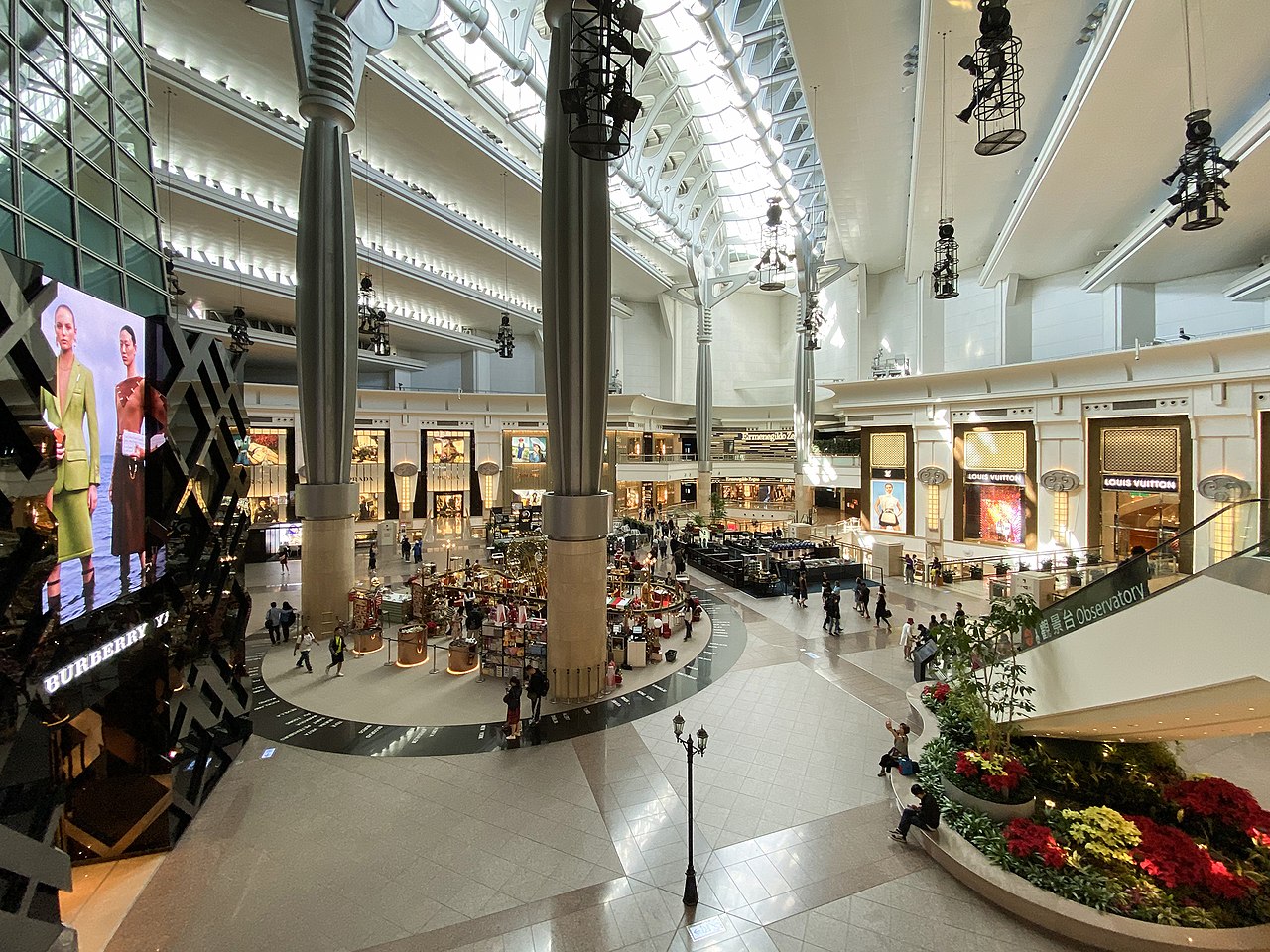
Taipei 101 houses corporate offices, a multi‑level shopping mall at its base, restaurants, and public observatories. An indoor observation deck and an outdoor viewing area offer panoramic views of Taipei. The tower is also a focal point for annual events, most famously the New Year’s fireworks and countdown celebrations that draw both locals and visitors; see notes on the building’s role in New Year's Eve festivities.
Notable distinctions and context
Beyond raw height, Taipei 101 is frequently cited for its engineering responses to a challenging climate of earthquakes and typhoons. Its tuned mass damper and robust structural systems are studied as examples in earthquake‑resistant design. The building contributed to Taipei’s skyline identity and to urban renewal in the Xinyi District; it is often referenced in travel guides and architectural overviews of Taipei and Taiwan. While later towers have exceeded Taipei 101 in absolute height, it remains notable for its combination of cultural symbolism, engineering innovation and public prominence.
Quick facts
- Floors: 101 above ground plus basements.
- Main functions: offices, retail mall, observation decks.
- Design influences: pagoda form, bamboo symbolism, postmodern architectural language.
Questions and answers
Q: What is Taipei 101?
A: Taipei 101 is a 101-floor building in Taipei, Republic of China (Taiwan).
Q: When did Taipei 101 become the tallest completed building in the world?
A: In 2004, Taipei 101 replaced the Willis Tower as the tallest completed building in the world.
Q: Was Taipei 101 ever surpassed in height by another building?
A: Yes, Taipei 101 was surpassed in height by the Burj Khalifa in Dubai in 2010.
Q: What records does Taipei 101 hold?
A: Taipei 101 holds records for ground to structural top, ground to roof, ground to highest occupied floor, and fastest elevator speed.
Q: What was the record for ground to structural top before Taipei 101?
A: The record for ground to structural top was held by the Petronas Twin Towers at 452 m (1,483 ft).
Q: What was the record for ground to roof before Taipei 101?
A: The record for ground to roof was held by the Sears Tower at 442 m (1,451 ft).
Q: Does Taipei 101 hold the record for tallest building from ground to pinnacle?
A: No, the Sears Tower holds the record for tallest building from ground to pinnacle because it has two television antennas on top of it, making its height from the ground to the top of the taller antenna 527 m (1,729 ft).
Related articles
Author
AlegsaOnline.com Taipei 101 — landmark skyscraper in Taipei Leandro Alegsa
URL: https://en.alegsaonline.com/art/95938
Sources
- commons.wikimedia.org : Taipei 101
- skyscrapercenter.com : "TAIPEI 101 - The Skyscraper Center"
- skyscraperpage.com : "Taipei 101, Taipei"
- secc.co.kr : History - Samsung C&T
- azobuild.com : Building Taipei 101
- tallest-buildings.findthedata.com : "Taipei 101"
- en.structurae.de : Taipei 101
- ctbuh.org : "100 Tallest Buildings in the World"
- putzmeister.com : "Putzmeister - Europe - EUROPA"
- guidetotaipei.com : "Taipei 101 Observatory"
- snarkynomad.com : "Snarky Nomad"