
Taxila: Ancient Gandharan City and Archaeological Complex
Taxila is a major archaeological site in Punjab, Pakistan, famed for its Gandharan ruins, Buddhist heritage, museum collections and links to Indo-Greek, Mauryan and Kushan periods.
Taxila is an ancient urban and religious complex located in the Punjab region of modern Pakistan. It stands as one of South Asia's most important archaeological landscapes, reflecting centuries of cultural exchange between South Asian, Central Asian and Hellenistic traditions. The site lies within the administrative area often referred to as Taxila Tehsil and is widely studied for its role in the Gandharan civilization and early Buddhist learning.
Image gallery
10 Images





History and cultural significance
Archaeological evidence shows that settlement at Taxila stretches back into the early first millennium BCE and that the city remained an influential center through several major political phases: Achaemenid and local kingdoms, the Mauryan and later Indo-Greek rulers, Kushan dynasties and other regional powers. Taxila's strategic position on trade and communication routes made it a crossroads for ideas, art and religious practices. Over time it became closely associated with Buddhist institutions; the site and its surrounding monasteries produced notable examples of Gandharan sculpture that blend classical and Indian iconography.
Principal archaeological areas and features
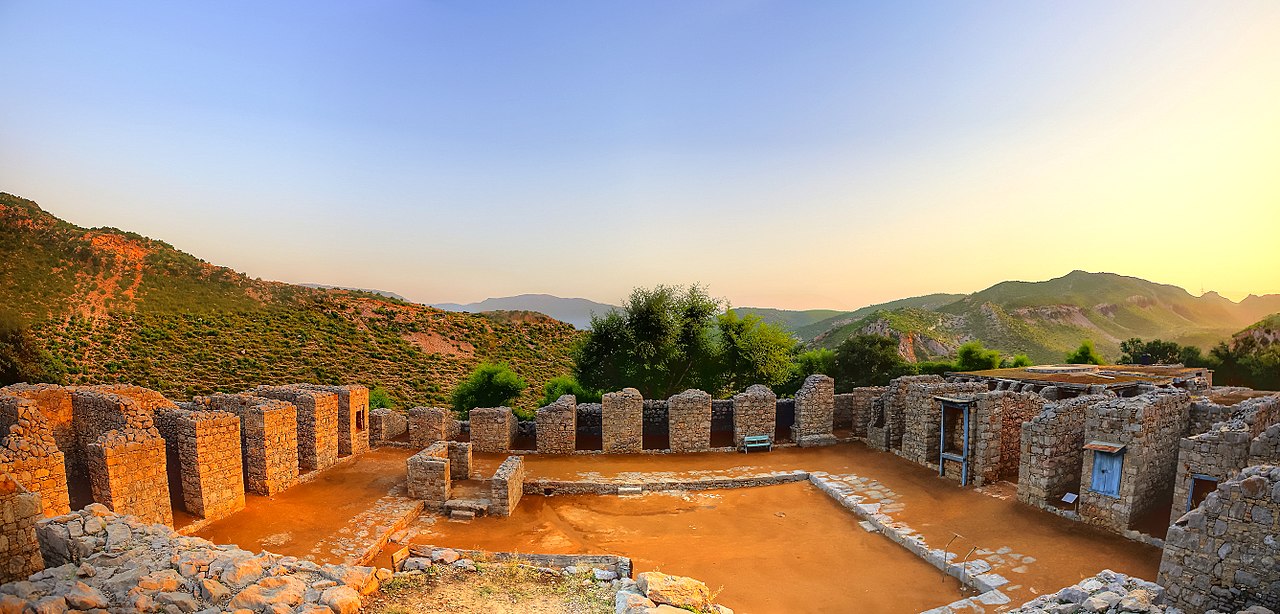
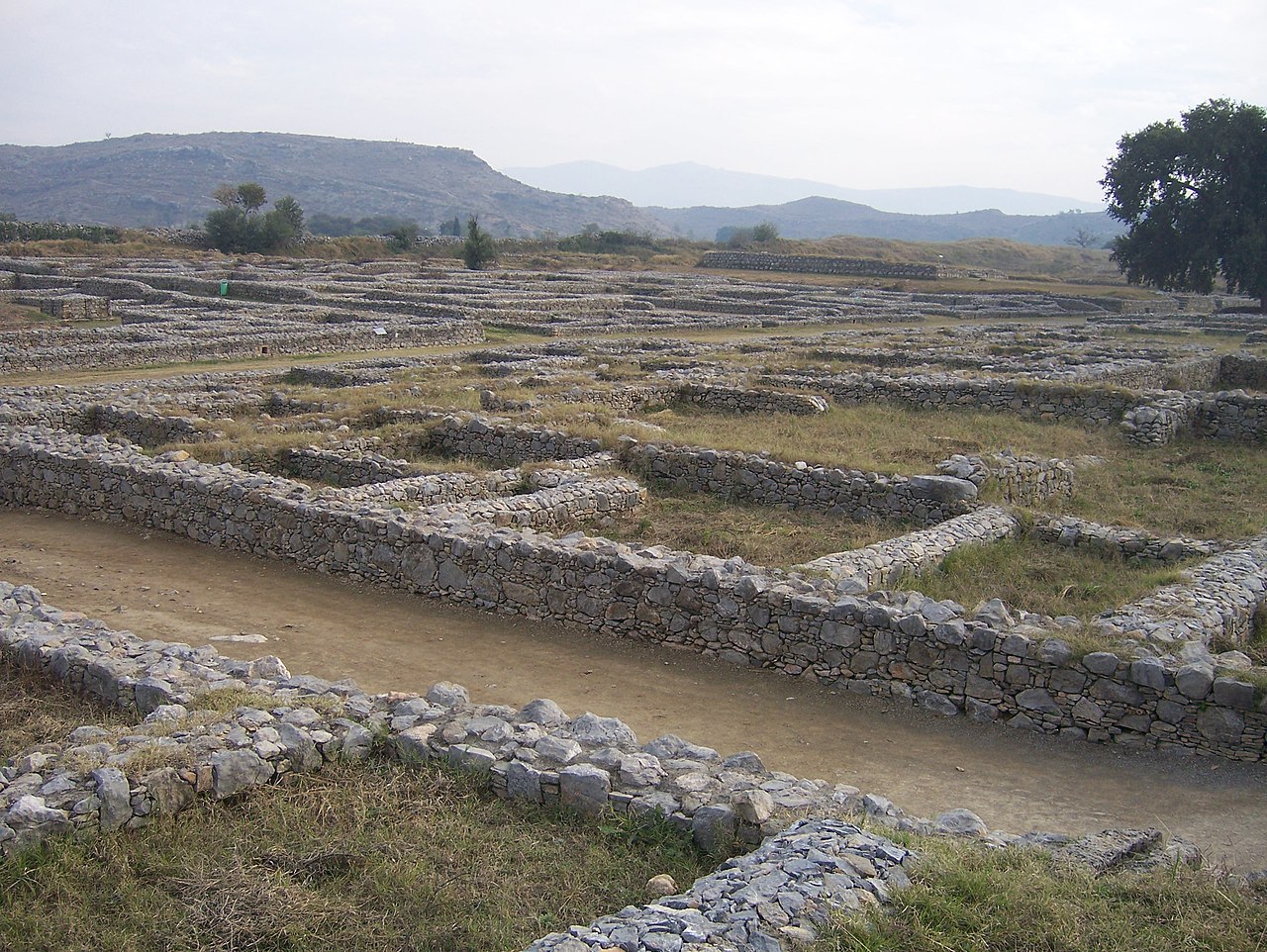
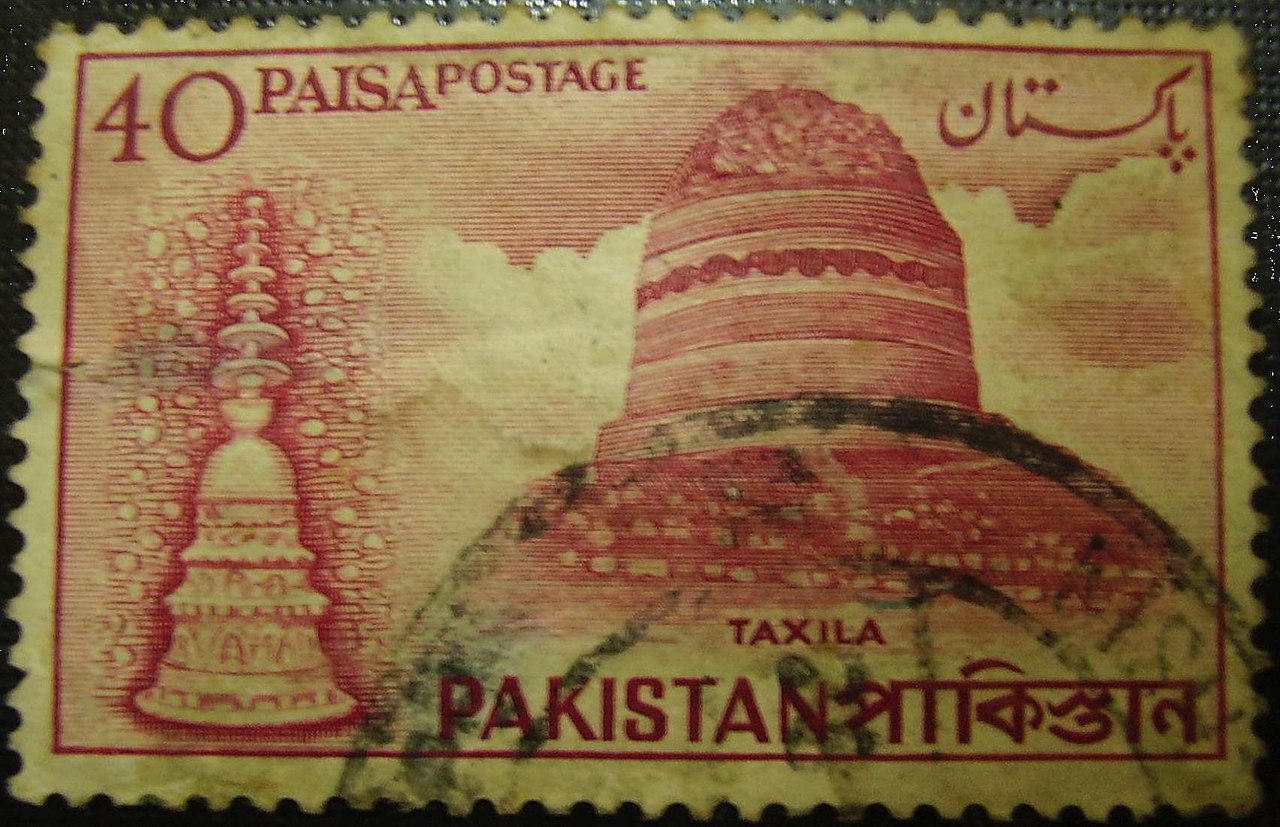
The Taxila complex comprises several distinct settlements and monuments excavated over the last century. Key areas include Bhir Mound, Sirkap and Sirsukh—each representing different urban phases—along with monastic sites such as Jaulian, Mohra Muradu and the Dharmarajika stupa. Excavations uncovered stupas, shrines, coins, pottery and workshops that document craft production, trade and the dissemination of Buddhist teachings. European-led excavations, notably those organized by Sir John Marshall and others in the early 20th century, helped bring the site's significance to international attention.
Museum collections and public presentation
The Taxila Museum houses an extensive display of Gandharan sculpture, reliquaries, coins and everyday objects recovered from the nearby sites. These collections illustrate the syncretic art styles that developed in the region and provide essential context for visitors and researchers interested in ancient Buddhism, urbanism and intercultural contacts. The museum and conserved ruins together make Taxila a focal point for both scholarly research and cultural tourism.
Modern importance and nearby landmarks
Designated and protected as a major heritage landscape and inscribed on international heritage lists, Taxila continues to attract archaeologists, students and tourists. Its layers of history make it a key example of how cities evolve under successive cultural influences. Close to the archaeological area is the colonial-era Nicholson Memorial, a monument commemorating the British officer John Nicholson. The site also preserves traces of the region's contact with the Indo-Greek Kingdom, among other historical actors.
- Why visit: rich archaeological remains, museum collections and accessible ruins.
- Research value: exemplary for studies of Gandharan art, ancient urbanism and Buddhist monasticism.
- Conservation: ongoing preservation and interpretation work helps maintain the site for future study.
Related articles
Author
AlegsaOnline.com Taxila: Ancient Gandharan City and Archaeological Complex Leandro Alegsa
URL: https://en.alegsaonline.com/art/96583