
Tel Megiddo: archaeological mound, history, and religious significance
Tel Megiddo (Megiddo) is a layered archaeological mound in northern Israel notable for its long occupation, important Bronze and Iron Age remains, and its role in Biblical and historical tradition.
Overview
Tel Megiddo, commonly called Megiddo in English, is a prominent archaeological mound (a tel or tell) in northern Israel. Its Hebrew name is often rendered Megiddo and in Arabic it has been known as Tell al-Mutesellim. The site lies above the Jezreel Valley on a natural route that connects the coastal plain with inland Syria, which made it strategically important in antiquity and a repeated focus of settlement, fortification and conflict.
Image gallery
10 Images


Geography and stratigraphy
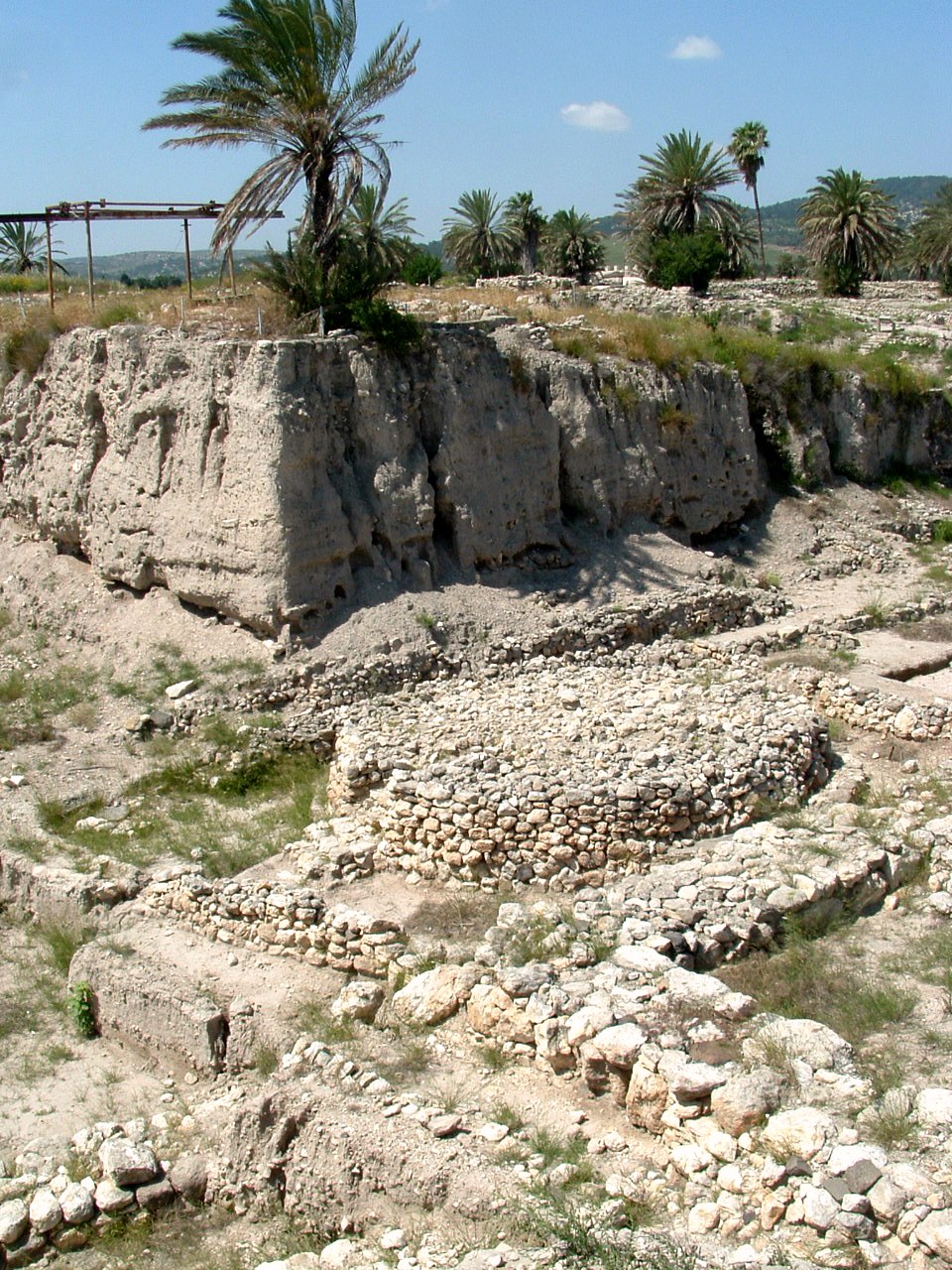
As a tell, Tel Megiddo is formed from many layers of human habitation stacked over millennia. Archaeologists have identified more than twenty distinct occupational phases, preserving streets, gates, temples, and domestic quarters from different periods. The mound overlooks a pass through the Carmel Ridge, controlling access to the valley below, and it contains engineered features such as a complex water system that demonstrates long-term urban planning and adaptation to siege conditions.
Archaeology and major discoveries
Excavations conducted over the late 19th, 20th and 21st centuries by several international teams have documented Megiddo's long history. Key discoveries include monumental city gates, fortification walls, administrative buildings, religious installations and layers of destruction that reflect warfare and political change. Among the most cited finds are a sophisticated water conduit, a large gate complex interpreted as part of civic administration, and evidence for craft production and long-distance trade.
- Fortified city gates and defensive walls
- Elaborate waterworks and underground channels
- Public buildings, workshops and storerooms
- Ritual installations and occasional cultic objects
Historical events and chronology
Megiddo appears in a range of ancient sources. It is noted in Egyptian military records for a major Bronze Age battle in which an Egyptian pharaoh campaigned in the Levant; these records are among the earliest detailed descriptions of a battle in the ancient Near East. The site is also referenced repeatedly in the Hebrew Bible, where it serves as a regional center and as the location of later conflicts. Its long occupational history spans key periods of Bronze and Iron Age urban development in the southern Levant.
Religious and cultural significance
Tel Megiddo has a distinctive place in religious tradition. The name is associated in Christian eschatology with the prophetic battlefield termed in Greek as Har-Magedon; this connection gives rise to the familiar concept of Armageddon and appears in popular accounts of the Last Things. The association appears in many modern discussions of the site and contributes to Megiddo's visibility beyond strictly archaeological circles; readers can consult the Christian Bible references and the term Armageddon for the theological context. The site is also discussed in relation to figures of evil or adversarial forces in Christian texts, often mentioned alongside terms such as Satan or the Anti-Christ in explanatory literature.
Preservation, interpretation and access
Today Tel Megiddo is protected for its archaeological and cultural value and is presented to the public through an on-site museum and interpreted excavations. It is included in broader heritage initiatives that recognize the importance of biblical tells in the region, and it attracts scholars, visitors and pilgrims interested in archaeology, ancient history and religious tradition. For more technical or site-specific details about the tell's ruins and stratigraphy see publications and resources that describe the physical remains and excavation reports here.
For introductions and primary texts related to the site's religious mentions and archaeological summaries consult general reference materials and site reports: the Hebrew name and local histories are discussed in linguistic and regional studies here, while overviews of the landscape and geography are available in regional guides here. Additional contextual resources and popular treatments of the site's eschatological fame can be found in commentaries and modern summaries here, and in discussions that relate ancient place-names to later theological usage here and here. General archaeological introductions and excavation summaries are collected here and here.


Location
Tell Megiddo is located in the northern district of Israel at the Megiddo Junction of Highway 65 and Expressway 66 near Kibbutz Megiddo 12 km southwest of the city of Afula.
Meaning
Megiddo is considered the most important archaeological site of the biblical period in Israel and one of the most important research sites in the Middle East. Since July 2005, Megiddo has been a UNESCO World Heritage Site along with Hazor and Be'er Sheva.
The military significance of the place and its role as a military battlefield are reflected in the Apocalypse of John in the New Testament. Armageddon, derived from "Har Megiddo" (the mountain of Megiddo), appears there as the place of the biblical final battle between good and evil (Rev 16,16 EU).
Questions and answers
Q: Where is Megiddo located?
A: Megiddo is located in Israel.
Q: What is Megiddo known for?
A: Megiddo is known for theological, historical, and geographical reasons.
Q: What was Megiddo in ancient times?
A: In ancient times, Megiddo was an important city-state.
Q: What are some alternative names for Megiddo?
A: Some alternative names for Megiddo are Tel Megiddo (Hebrew) and Tell al-Mutesellim (Arabic).
Q: What is the significance of Megiddo in the Christian Bible?
A: According to some interpretations of the Christian Bible, Megiddo will be the place for Armageddon or the final battle between the forces of light led by Jesus Christ and the forces of darkness led by Satan or the Anti-Christ after the "End of Days".
Q: What is Megiddo made of?
A: Megiddo is a tel (hill or mound) made of 26 layers of the ruins of ancient cities.
Q: Where is Megiddo located in relation to the Valley of Jezreel?
A: Megiddo is located at the head of a pass through the Carmel Ridge, which overlooks the Valley of Jezreel from the west.
Related articles
Author
AlegsaOnline.com Tel Megiddo: archaeological mound, history, and religious significance Leandro Alegsa
URL: https://en.alegsaonline.com/art/96790
Sources
- bibarch.com : "Megiddo"