
Corinne Mamane Museum of Philistine Culture, Ashdod
An overview of the Corinne Mamane Museum of Philistine Culture in Ashdod, Israel: its history, collections, exhibitions, research and educational role focused on the Philistines and Mediterranean connections.
Overview
The Corinne Mamane Museum of Philistine Culture is an archaeological museum in the city of Ashdod, Israel, dedicated to the study and public presentation of the Philistines and the material remains of their society. Opened in 1990 as the first museum institution in Ashdod, it assembles finds from local excavations, reproductions and interpretive displays to explain life in the southern Levant during the Late Bronze Age and the early Iron Age. Basic visitor information and the museum's physical location are often cited in relation to the site's mapping and coordinates.
Image gallery
6 Images


Name and dedication
The museum bears the name of Corinne Mamane, a Jewish student born in Casablanca, Morocco, who died in a car accident in France while still a university student. The dedication commemorates her memory and supports the museum's mission of archaeological education and cultural outreach. The museum's Hebrew designation is used in local publications and institutional material (Hebrew name).
History and founding
The museum was established to give a focused, accessible presentation of a people whose history is known both from archaeology and from ancient texts. Founded in 1990, it responded to public interest in the region's ancient past and to scholarly work carried out in coastal city-states and their hinterlands. As a municipal cultural institution it has hosted both permanent and temporary exhibitions that highlight recent discoveries and long-term research.
Collections and permanent exhibitions
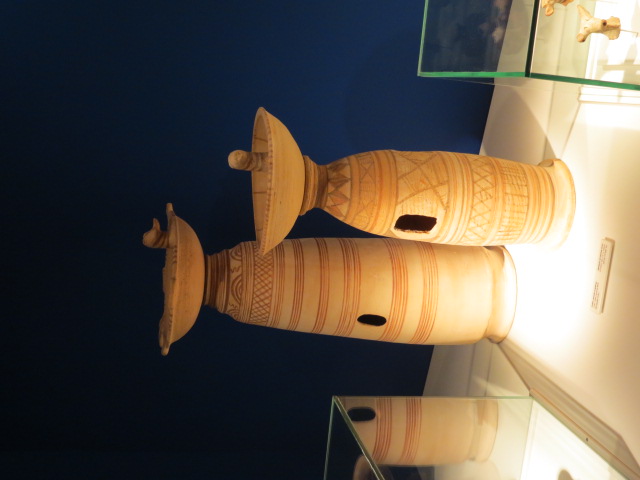
The museum is arranged across three principal floors. The main floor presents the core exhibition on Philistine culture: pottery typologies, tools, architectural fragments and everyday objects that illustrate domestic life, craft specialization and trade. Emphasis is placed on material that demonstrates cultural links between the southern Levant and the wider eastern Mediterranean, including pottery styles and imported goods attributable to Aegean influence.
Rotating exhibitions and special galleries
The second floor is dedicated to changing exhibitions. These temporary displays allow the institution to showcase comparative material from neighboring regions, feature recent conservation work, or present thematic studies such as textiles, metallurgy or regional trade patterns. Rotating exhibitions help keep the museum current with ongoing archaeological fieldwork and scholarship.
Philistines Kitchen and experimental archaeology
The top floor houses the interpretive display known as the "Philistines Kitchen," an educational gallery focused on ancient foodways. Through reconstructed cooking vessels, replica tools and explanatory panels the gallery explores what people ate, how food was prepared, and how culinary practices reflect contacts with the Aegean world and other Mediterranean cultures. This area frequently uses experimental archaeology to recreate recipes, measure vessel use-wear and demonstrate ancient technologies.
Archaeological and cultural context
The museum situates Philistine finds within the broader transition from the Late Bronze Age to the early first millennium BCE. It explains distinctive archaeological markers such as imported and locally produced pottery styles, burial practices, and evidence for urban life in coastal city-states. The displays emphasize interaction between local Levantine traditions and newcomers who brought Aegean-derived material culture, a topic of long-standing interest in eastern Mediterranean archaeology. For background on the people featured, see material on the Philistines.
Research, conservation and collaborations
The museum participates in conservation of artifacts from local excavations and often collaborates with universities and research projects. Temporary exhibitions sometimes present field reports and conservation case studies to show how archaeologists recover, document and preserve fragile finds. The institution also contributes to public archaeology by making research results accessible to non-specialists while retaining links to scholarly literature and excavation archives.
Education and public programmes
Education is a central component of the museum's mission. It offers guided tours, school programmes, workshops and family-focused activities that explain archaeological methods and the daily realities of ancient life. Interactive displays, demonstrations of ancient technologies and hands-on sessions with replica objects are commonly used to engage audiences of all ages.
Significance and visiting
- Specialized focus: The museum is noted for being the only institution devoted solely to the culture of the Philistines, providing a concentrated resource for visitors and researchers.
- Local connections: Many exhibits derive from excavations in and around Ashdod and other coastal sites, linking modern urban settings with archaeological landscapes.
- Public engagement: Through rotating exhibits and educational programming, the museum bridges academic study and community interest.
For visitors seeking additional context about the region and its history, institutional references and broader background material are available through municipal and national cultural resources. The museum remains a focal point for understanding a distinctive chapter of Mediterranean history and its material legacy in the southern Levant.
Further institutional and contextual information can be found through general sources on Israel and archaeological overviews of the Philistines, as well as local guides to Ashdod and municipal cultural services.
Questions and answers
Q: What are the coordinates of the Corinne Mamane Museum of Philistine Culture?
A: The coordinates of the museum are 31°47′57.22″N 34°38′31.39″E / 31.7992278°N 34.6420528°E / 31.7992278; 34.6420528.
Q: Where is the Corinne Mamane Museum of Philistine Culture located?
A: The Corinne Mamane Museum of Philistine Culture is located in Ashdod, Israel.
Q: When did the museum open?
A: The museum opened in 1990 and was the first museum to open in Ashdod.
Q: Who was Corinne Mamane?
A: Corinne Mamane was a Jewish student born in Casablanca, Morocco who died in 1984 in a car accident while studying at university in France.
Q: How many floors does the museum have?
A: The museum has three floors - one dedicated to an exhibition on Philistines culture, one for changing exhibitions, and one dedicated to exploring food culture from around the Aegean Sea known as "Philistines Kitchen".
Related articles
Author
AlegsaOnline.com Corinne Mamane Museum of Philistine Culture, Ashdod Leandro Alegsa
URL: https://en.alegsaonline.com/art/98494