
Stenonychosaurus
Stenonychosaurus is a small troodontid dinosaur from Late Cretaceous Alberta, known from fragmentary remains. Modern revisions have separated it from the historic genus Troodon and clarified its taxonomy.
Stenonychosaurus (literally "narrow-claw lizard") is a genus of small, bird-like theropod from the Late Cretaceous of western Canada. It is placed among the troodontids, a group of slender, generally small-bodied dinosaurs notable for relatively large brains, grasping hands and adaptations associated with active, probably visually oriented lifestyles. Fossils attributed to Stenonychosaurus come from deposits in Alberta, where only partial remains have been recovered.
Image gallery
10 Images




Description
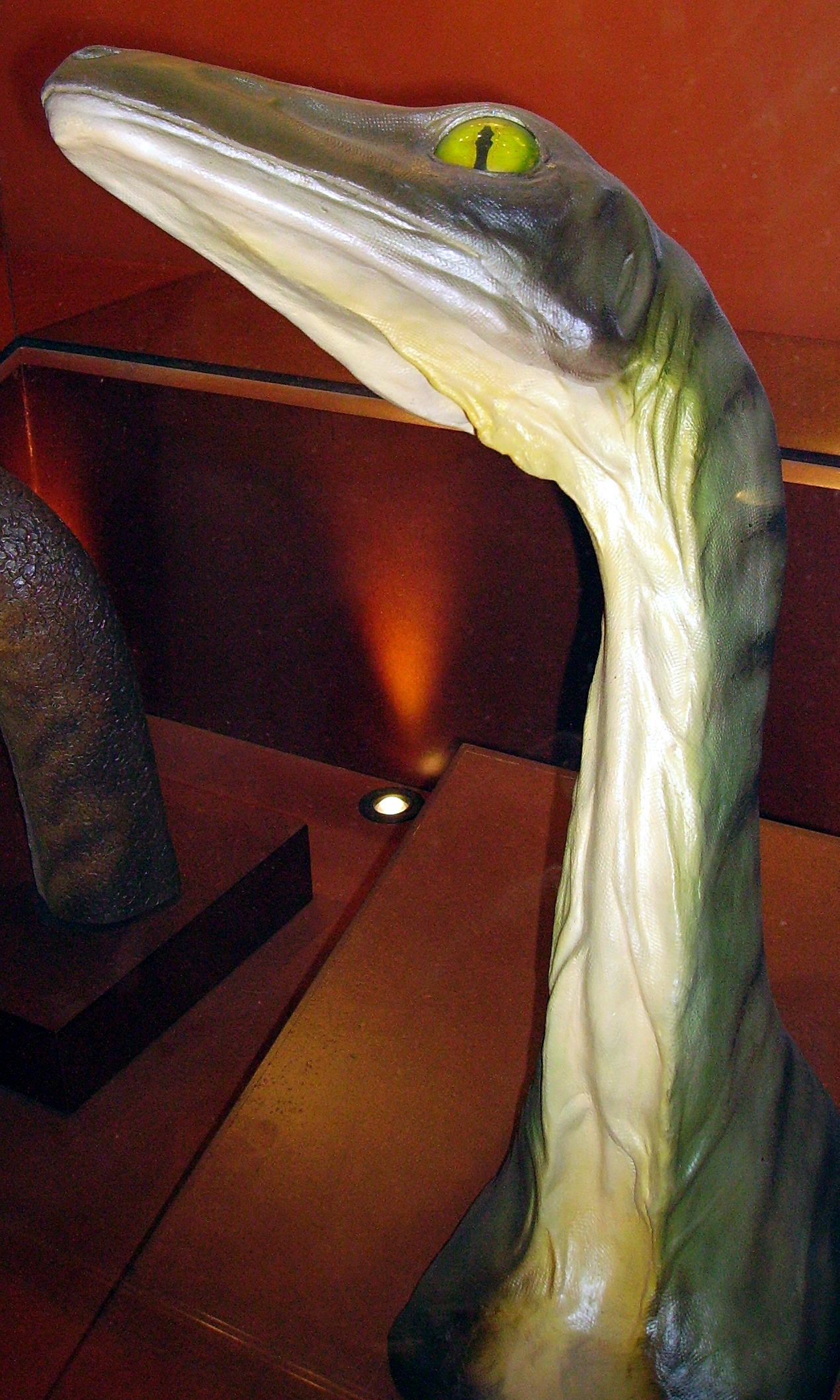
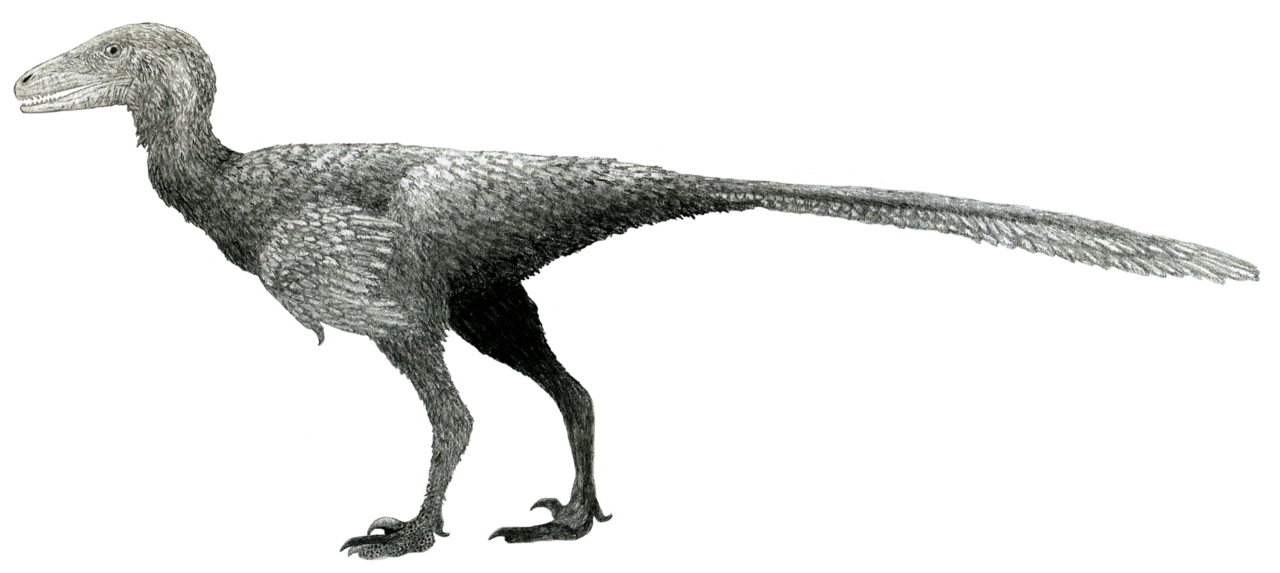
Known material for Stenonychosaurus is fragmentary but informative. The preserved elements indicate an agile animal with long hindlimbs, a flexible tail, and hands capable of grasping. Its name highlights a narrow ungual or claw form, and reconstructed skeletons of related troodontids suggest a lightly built, feathered animal with large eyes and a brain that was large relative to body size. These traits imply good vision and coordination rather than sheer size or power.
Fossil material
- Isolated pedal elements including a diagnostic foot specimen.
- Fragments interpreted as portions of the manus and other non-cranial material, often cited as hand fragments.
- Several incomplete caudal vertebrae from the tail region.
Discovery and taxonomic history
Stenonychosaurus has a complicated taxonomic history. For much of the late 20th century many small troodontid remains from North America were lumped under the name Troodon, a catch‑all taxon based on limited material. More recent revisions have examined anatomy in greater detail and split that material into better‑defined genera. A major reassessment published in 2017 re-evaluated the relationships of these specimens, treated the traditional concept of "Troodon" as problematic, and recognized separate taxa including Stenonychosaurus while assigning some material to genera such as Latenivenatrix.
Paleobiology and significance
Though exact details remain uncertain because of fragmentary remains, Stenonychosaurus and its troodontid relatives are interpreted as active, likely omnivorous or small‑prey predators that relied on vision and agility. Their relatively large braincases and stereoscopic vision suggest refined sensory and motor abilities. Reconstructions typically portray them as feathered, ground‑dwelling animals that occupied a niche distinct from larger theropods and contemporaneous herbivores.
Stenonychosaurus is important mainly as part of a broader story: it illustrates how fragmentary fossils, historical naming practices and later detailed comparisons can change our understanding of dinosaur diversity. Continued study of isolated bones and new discoveries in North American Late Cretaceous strata may further clarify the anatomy, behavior and precise relationships of this genus within troodontids.
Related articles
Author
AlegsaOnline.com Stenonychosaurus Leandro Alegsa
URL: https://en.alegsaonline.com/art/93727
Sources
- geol.umd.edu : Supplementary Information
- sciencemag.org : "A Basal Dromaeosaurid, And Size Evolution, Preceding Avian Flight"
- doi.org : 10.1126/science.1144066
- pubmed.ncbi.nlm.nih.gov : 17823350